OpenAI Launches ChatGPT Images 2.5, Offering Crisper Detail and Faster Production
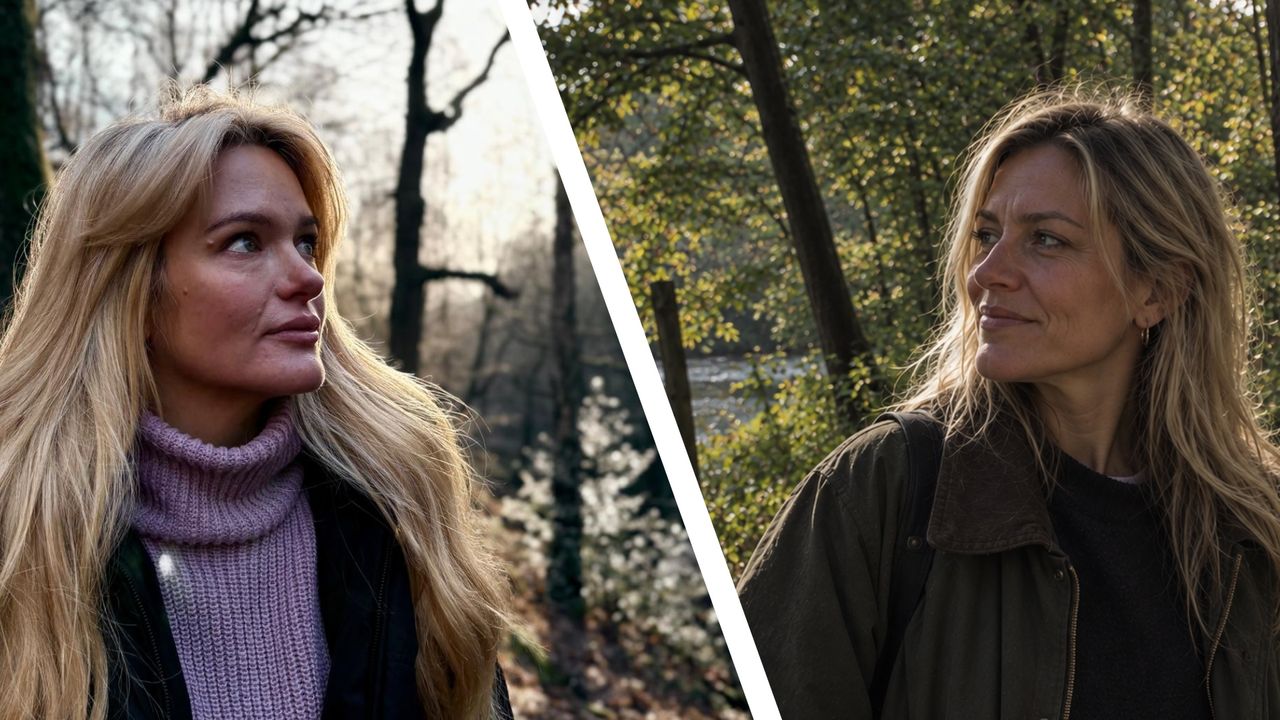
On Tuesday, OpenAI introduced the newest version of its visual‑AI tool, ChatGPT Images 2.5, pledging a clear boost in picture fidelity, generation speed, and editing accuracy. This release builds on a succession of modest upgrades to its generative‑art service, placing it in tighter competition with the likes of Midjourney and Stable Diffusion.
According to OpenAI’s product brief, the model advertises “sharper details, faster generation, more precise editing, and better tools for creating and sharing.” Initial users note that it captures delicate textures—like fabric weave or leaf clusters—with greater clarity than the prior version, and it assembles intricate scenes in only a fraction of the earlier processing time.
ChatGPT Images 2.5 expands on the groundwork set by the first ChatGPT Images, launched in late 2023 as a text‑to‑image feature embedded within the larger ChatGPT conversation window. While the initial release earned accolades for its user‑friendliness, it also drew complaints about sporadic blur and restricted compositional control. By refining the diffusion algorithm and introducing a range of editing parameters, OpenAI seeks to bridge the divide between hobbyist tinkering and professional‑level results.
The rollout comes as scrutiny of AI‑crafted visuals intensifies. With synthetic pictures increasingly indistinguishable from real photos, creators, marketers and journalists are confronting a mix of promise and peril. While quicker, higher‑resolution renders can accelerate design pipelines, they also spark concerns over credit, intellectual‑property rights, and the possible propagation of false information.
To address the fading boundary between authentic and AI‑generated media, a number of tech publications have introduced “real‑or‑AI” quizzes that ask audiences to discern whether an image was created by a person or a machine. These interactive challenges underscore the demand for strong detection solutions, a area OpenAI is also watching while it hones watermarking and provenance‑tracking capabilities for its pictures.
Looking forward, OpenAI describes the 2.5 launch as a bridge toward richer, multimodal collaborations, allowing text, images and even video to be generated within a single dialogue. Rivals are likely to respond in kind, fueling a competition that may speed up both creative opportunities and the regulatory debates surrounding AI‑produced content.

Comments (0)
Be the first to comment.
Join the discussion