Octopus Energy expands plug‑in solar kits to UK SMEs as demand soars
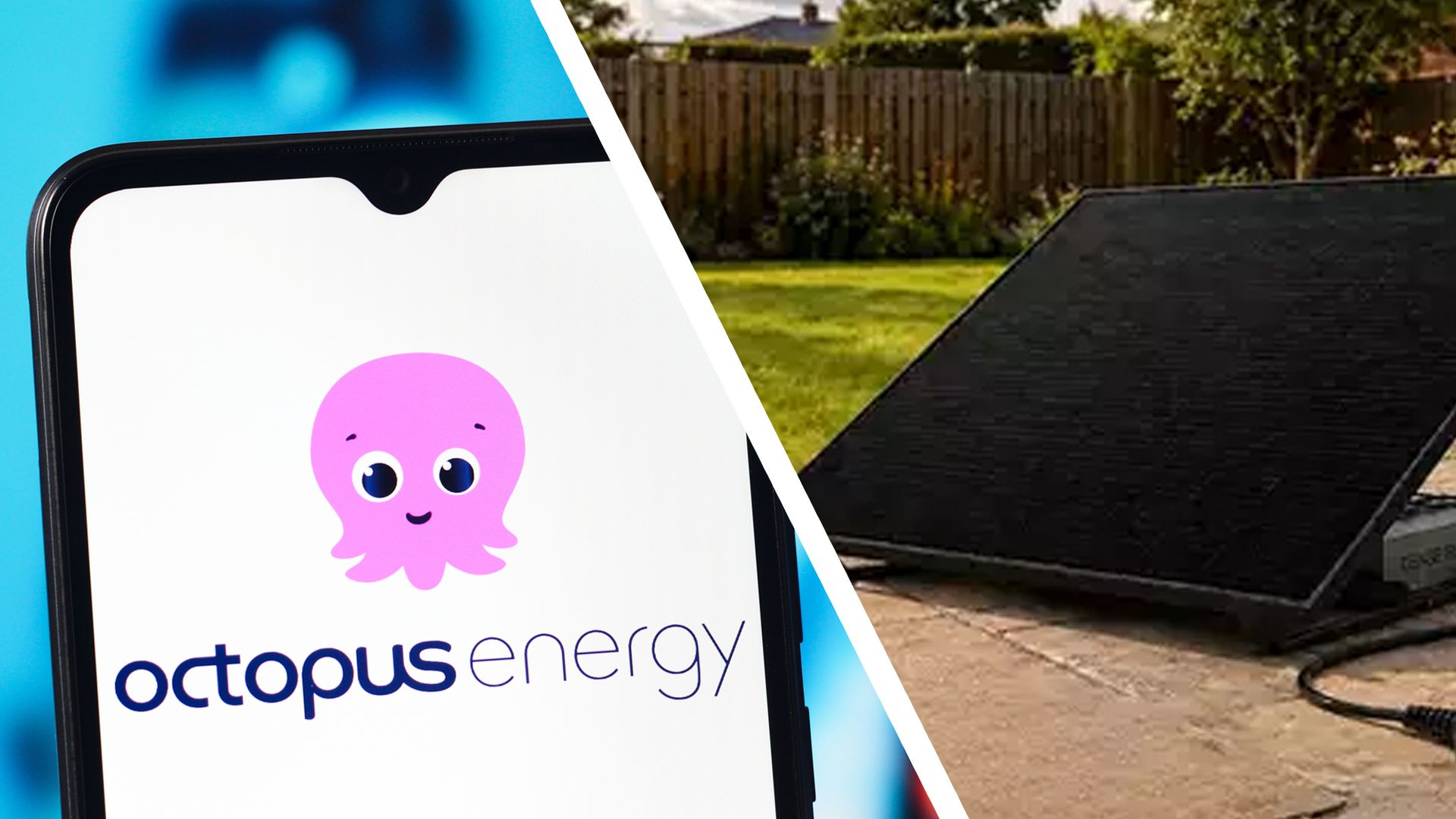
Octopus Energy said it will broaden the reach of its well‑known plug‑in solar panel kits—once offered only to residential customers—to small and medium‑sized businesses throughout the UK.
Each kit contains either one 460‑watt module or two such modules, engineered for rooftop mounting without requiring detailed planning consent or specialist installers. The system simply connects to the building’s existing power line and includes a ready‑to‑use inverter together with a monitoring application.
Octopus explains the product launch is a reaction to a flood of requests from companies eager to lower operating expenses. It projects that participants might slash their yearly electricity spend by as much as 23 %, contingent on site specifics and consumption habits.
The initiative comes at a time when commercial electricity costs in the UK have jumped dramatically since the 2021‑2022 energy crisis, driving many proprietors to consider on‑site generation as protection against erratic wholesale prices. Compared with conventional rooftop solar, plug‑in systems offer a comparatively modest upfront outlay and avoid the need for structural surveys and protracted installation periods.
An Octopus Energy spokesperson described the move as “a no‑brainer” in light of the strong enthusiasm from the small‑business community. Octopus will oversee sourcing, shipping and fitting, and purchasers will be offered a fixed‑price agreement for the power produced, replicating the arrangement already offered to home users.
Analysts say the program may speed up the UK’s wider renewable‑energy ambitions, which target net‑zero emissions by 2050. Although each kit delivers a modest output—about 0.5 to 1 kilowatt‑peak—it can serve as an initial step for businesses that eventually scale up to bigger installations or pair solar with battery storage.
Octopus intends to launch the offering via its current online platform, enabling firms to place orders, arrange installations and track output live. While exact pricing remains undisclosed, the “no‑brainer” description implies a cost framework that will be competitive with alternative small‑scale generation solutions.
Should demand stay robust, Octopus could expand the catalogue to feature higher‑output panels or integrated battery systems, further cutting the sector’s dependence on grid power. In the short term, the primary advantage is a simple route for UK small enterprises to cut energy costs while supporting the nation’s decarbonisation goals.



Comments (0)
Be the first to comment.
Join the discussion