Nvidia's DLSS 5 Tweaks Reduce Visual Intrusiveness and Performance Hit, Though Some Bugs Persist
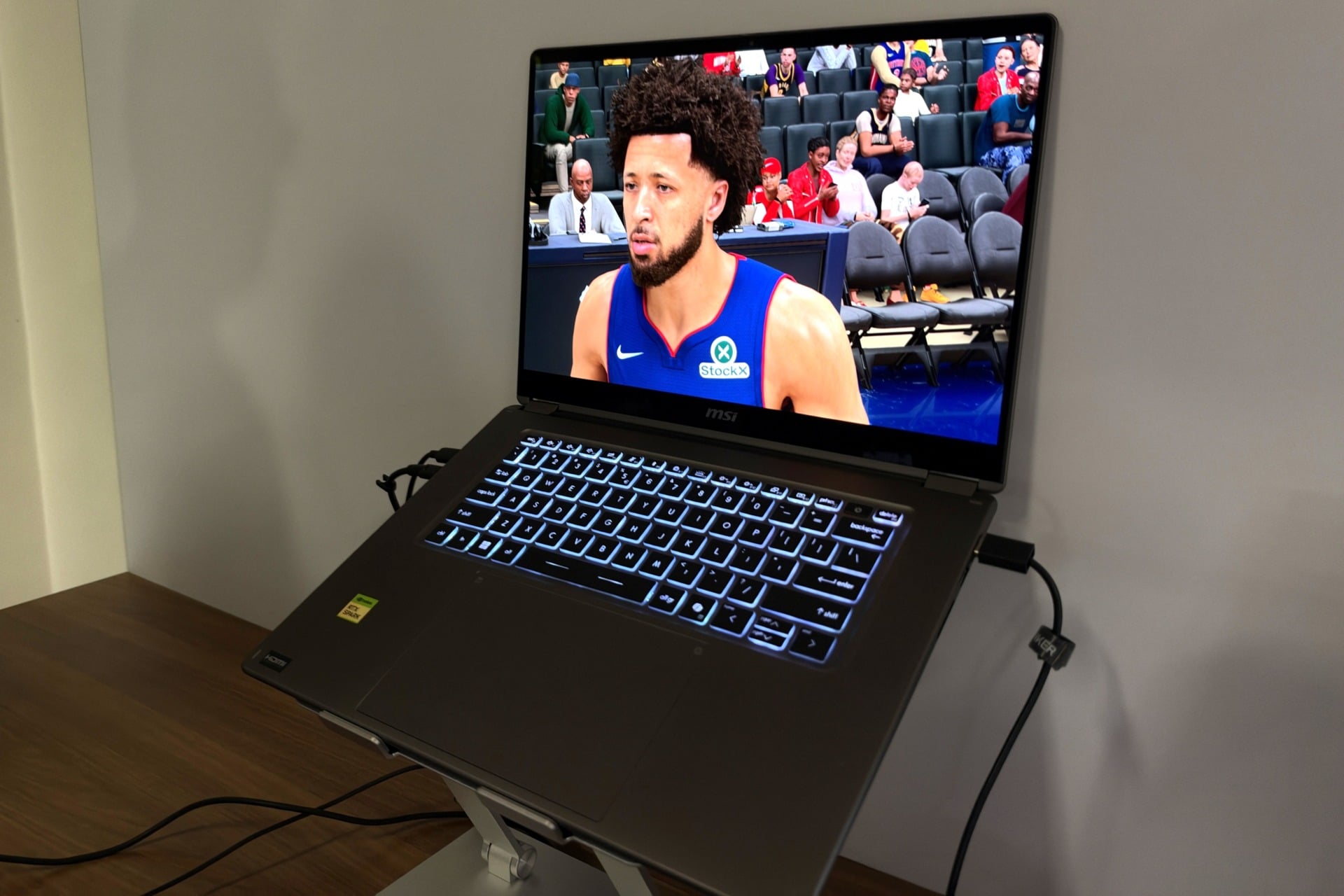
Nvidia introduced the newest version of its Deep Learning Super Sampling system, DLSS 5, touting a gentler visual footprint and a reduced strain on frame rates. According to the firm, this update tones down the heavy sharpening and halo artifacts that players criticized in prior versions, yet it retains the AI‑based upscaling advantages that have become a hallmark of the RTX series.
First launched in 2018, DLSS relies on neural networks operating on dedicated tensor cores to rebuild higher‑resolution frames from a lower‑resolution input. With each subsequent release the tool has grown from a basic upscaler to incorporate frame generation and premium quality settings, yet every iteration has also faced pushback for consuming GPU power and occasionally generating odd visual artifacts.
Delivered via Nvidia’s driver update in early October, the DLSS 5 patch is said to cut computational overhead by simplifying the post‑processing chain. Preliminary benchmarks posted by the hardware community indicate a slight uplift of several frames per second in demanding games when the new mode is active, relative to the earlier DLSS 4 version.
Even with the boost in performance, the revision fails to wipe out every visual oddity. Players running DLSS 5 on legacy or lower‑tier RTX GPUs have noted intermittent shimmering textures, ghosting near moving elements, and a modest drop in detail in deep shadows. These problems seem tied to the algorithm’s effort to juggle sharpness against speed—a compromise Nvidia admits is still being refined.
The varied response underscores a wider friction in PC gaming, where developers and hardware vendors aim to raise visual fidelity while preserving fluid play. As an increasing number of games ship with DLSS enabled by default, the onus on Nvidia to polish the tech intensifies, particularly as rivals introduce their own AI‑upscaling offerings.
Nvidia has signaled that additional tweaks are slated for the next few months, aiming to eliminate lingering artifacts while maintaining a low performance cost. In the meantime, players who value frame rate above flawless visuals may see the new DLSS 5 setting as a viable trade‑off, whereas purists chasing peak image quality might keep the feature disabled until a future patch arrives.

Comments (0)
Be the first to comment.
Join the discussion