Nvidia Halts AI Chip Shipments to Southeast Asia Following Leadership Change
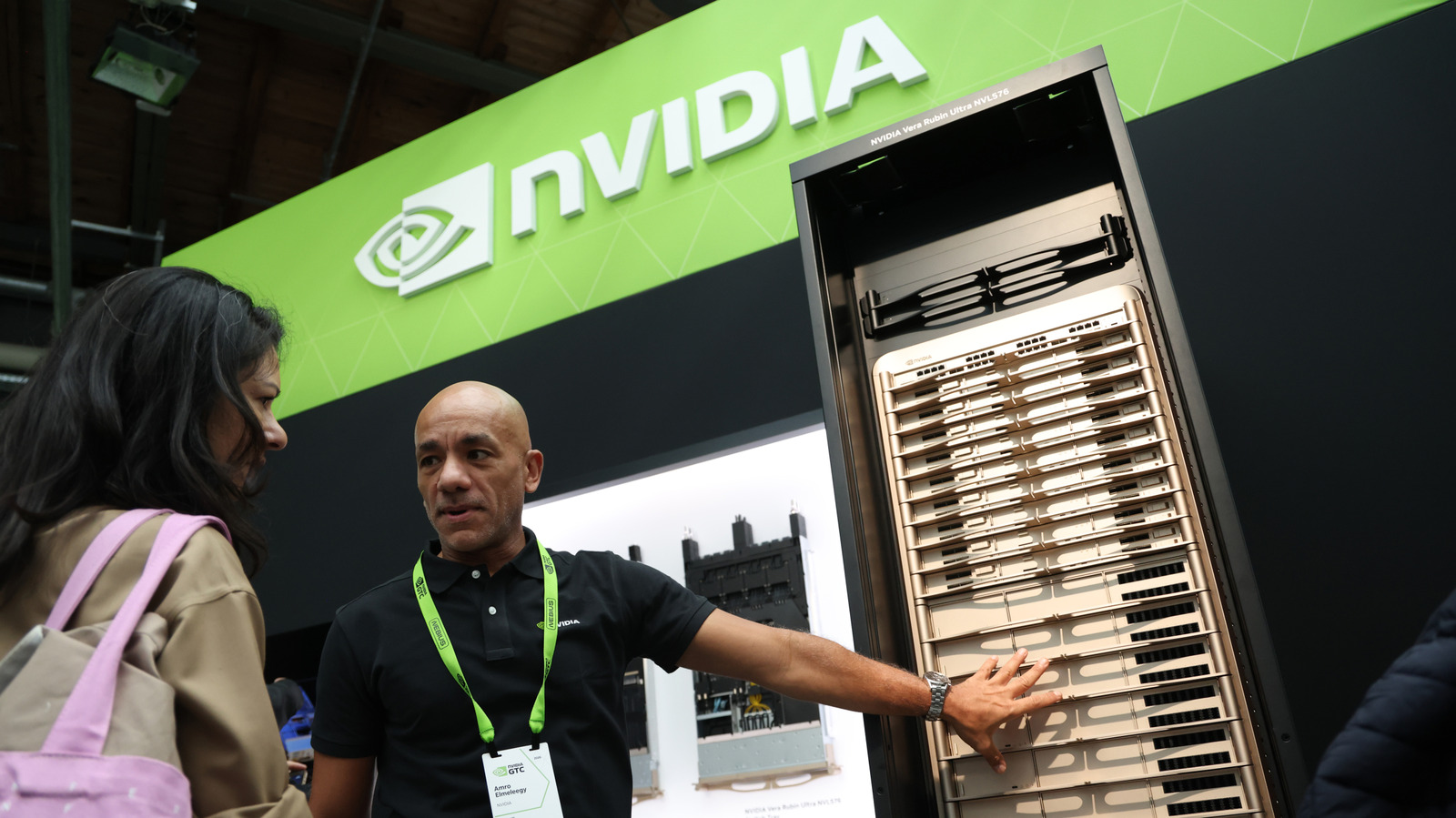
The Silicon Valley powerhouse Nvidia is said to have halted deliveries of its AI‑focused processors to buyers in Southeast Asia, a move disclosed only a few days after the board reappointed founder Jensen Huang as chief executive.
This decision arrives while Nvidia’s GPUs and dedicated AI chips continue to lead the market for training large language models and driving cloud‑based inference workloads. A worldwide surge in demand has pushed the firm to boost production capacity and guarantee a reliable supply of parts across various regions.
Analysts suggest that growing scrutiny of advanced semiconductor exports may be behind the suspension. U.S. regulators have been tightening restrictions on technology with potential military uses, and a number of Southeast Asian countries lie close to geopolitical flashpoints that draw regulatory focus. Though Nvidia has not publicly explained the decision, the timing coincides with industry‑wide moves to adhere to export‑control rules.
The restriction may present short‑term hurdles for the region’s fast‑growing AI ecosystem. Cloud operators, research labs, and startups dependent on Nvidia’s high‑performance chips might have to turn to other vendors or revise project schedules. The slowdown could also impact local data‑center projects that have been banking on the newest AI accelerators to draw international clients.
Observers in the industry caution that the pause in shipments does not automatically indicate a permanent retreat from Southeast Asian markets. Previous episodes of export‑control compliance have typically been short‑lived, with firms restarting deliveries after securing the required licenses. Still, this incident highlights the tightrope that tech companies walk between satisfying market demand and complying with intricate regulatory frameworks.
Within the company, the board’s move to reinstate Jensen Huang as CEO signals a wish for strategic continuity. Huang’s stewardship has been tightly linked to Nvidia’s swift rise in AI, and his comeback could calm investors amid the ambiguity created by the export suspension.
Looking ahead, Nvidia is likely to work with U.S. regulators and regional partners to define the exact limits of the restrictions. Stakeholders will be monitoring any official communications that set a timetable for lifting the shipment ban, as well as any policy shifts that could reopen the flow of AI chips to the Southeast Asian market.



Comments (0)
Be the first to comment.
Join the discussion