Nvidia CEO Jensen Huang’s Dire ‘Digital Brains’ Comments Raise Alarm
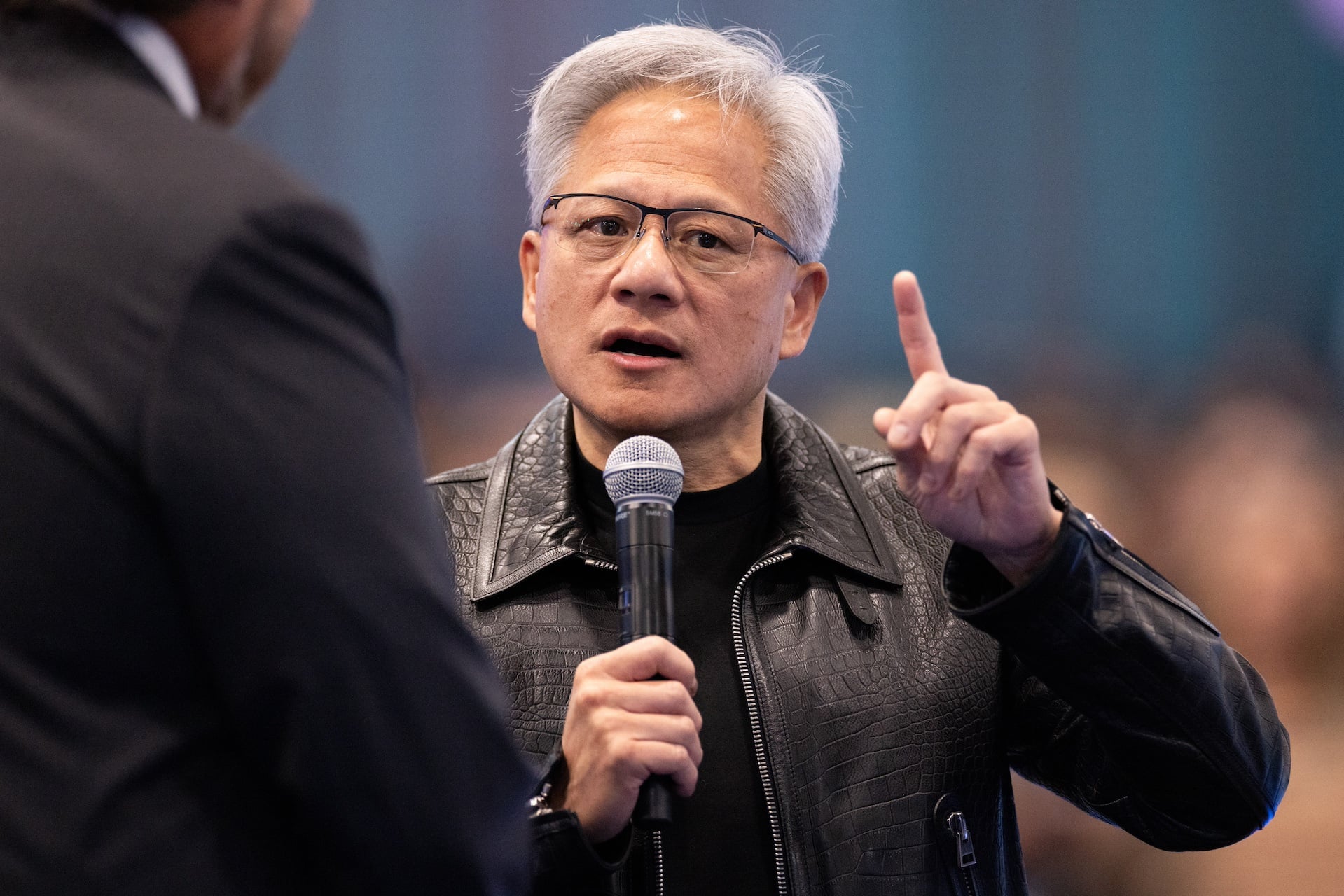
Jensen Huang, the chief executive of Nvidia, gave an impassioned talk about AI’s future, introducing the phrase "digital brains" to label upcoming AI technologies. Listeners highlighted the forcefulness of his speech and the stark cautions he voiced, sparking speculation regarding his mindset and the wider ramifications for the technology industry.
He made these comments while Nvidia stands at the heart of a worldwide AI boom, its GPUs driving everything from large language models to self‑driving car systems. Over the past few months the firm’s market value has surged sharply, raising hopes that its chips will continue to serve as the foundation of AI progress for the foreseeable future.
In his speech, Huang stressed that the swift advancement of "digital brains" may surpass current regulations and even strain social conventions. He cautioned that unchecked development could generate unexpected dangers, calling on engineers and regulators to respond swiftly. Though the warning struck a chord with those already wary of AI safety, the intensity of his delivery—characterized by a rapid tempo and heightened emotion—prompted raised eyebrows among observers.
Analysts and insiders swiftly noted the tone, with some proposing that the CEO’s health and welfare deserve attention. Such conjecture isn’t unprecedented; high‑stress positions in the rapid‑pace tech sector regularly invite examination, particularly when leaders deliver unusually fervent remarks. A few staff members are said to have talked about providing support, although Nvidia has not issued any official comment.
Going forward, the incident contributes an extra dimension to the continuing debate over AI oversight and corporate duty. Nvidia is scheduled to announce its quarterly results later this month, and shareholders will be keen to see whether its strategic perspective has altered. At the same time, the wider tech world might treat Huang’s comments as a spark for more thorough discussion on reconciling swift innovation with careful supervision, making sure the potential of "digital brains" does not exceed the protections required to govern them.


Comments (0)
Be the first to comment.
Join the discussion