New Study Examines Whether Animals Are Capable of Lying
The freshly published book "Liars, Cheats and..." tackles one of the most debated questions in biology: are non‑human animals able to deceive on purpose? Its author, an experienced biologist, maintains that although trickery is widespread in nature, distinguishing instinctive imitation from deliberate falsehood is still difficult.
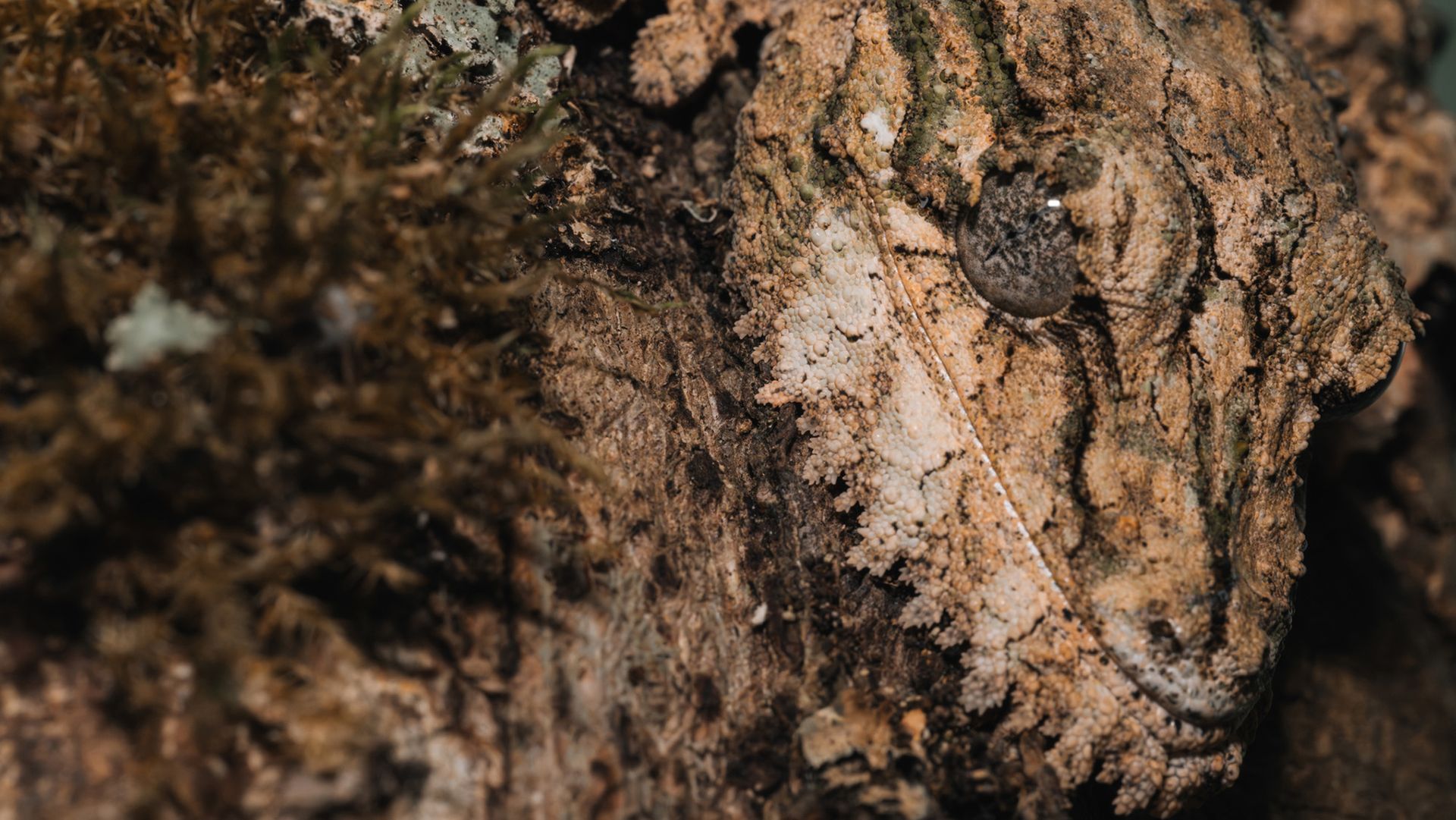
Across many taxonomic groups, deceptive strategies emerge, usually with no sign that the deceiver knows it is cheating. For instance, some moths have developed wing markings that mimic the warning hues of hornets, causing predators to avoid them as if they were stinging bugs. Orchid mantises go even farther, molding their appearance and behavior to resemble flowering plants, luring unsuspecting pollinators that end up as food.
According to the biologist, the majority of such tactics are products of evolutionary forces rather than purposeful plotting. "When a trait that improves survival is passed down, the organism doesn't need to understand why it works," he writes. He therefore views deception as arising from natural selection shaping phenotypes, not from a conscious choice by the creature.
Still, the volume points to examples where the line between instinct and intention blurs. Observations of corvids—including crows and ravens—show them stashing food and retrieving it only after a competitor has moved on, implying foresight. In a comparable vein, some primates emit deceptive alarm calls to divert rivals while they seize a prize. Such actions hint that certain animals may have the cognitive agility to shape the expectations of peers.
Determining if animals are capable of lying extends beyond mere scholarly interest. It shapes discussions on animal consciousness, ethical treatment, and the development of sophisticated communication networks. The existence of purposeful deception would suggest a level of advanced cognition that, in some ways, mirrors human social tactics.
Researchers have received the publication with measured enthusiasm. Evolutionary biologists commend its comprehensive catalog of documented deceptive traits, whereas cognitive ethologists caution that direct proof of intentional lying is still limited. Current investigations using controlled trials and neuroimaging seek to separate automatic mimicry from deliberate misrepresentation.
Upcoming work will probably concentrate on crafting experiments that can pinpoint intent, possibly by assessing if animals modify deceptive cues according to what their targets know. As the conversation progresses, the new book acts as a spark for re‑evaluating long‑standing beliefs about the mental capacities of the species that share Earth with us.


Comments (0)
Be the first to comment.
Join the discussion