New Research Uncovers What Inca Gave Children Prior to Volcanic Offerings
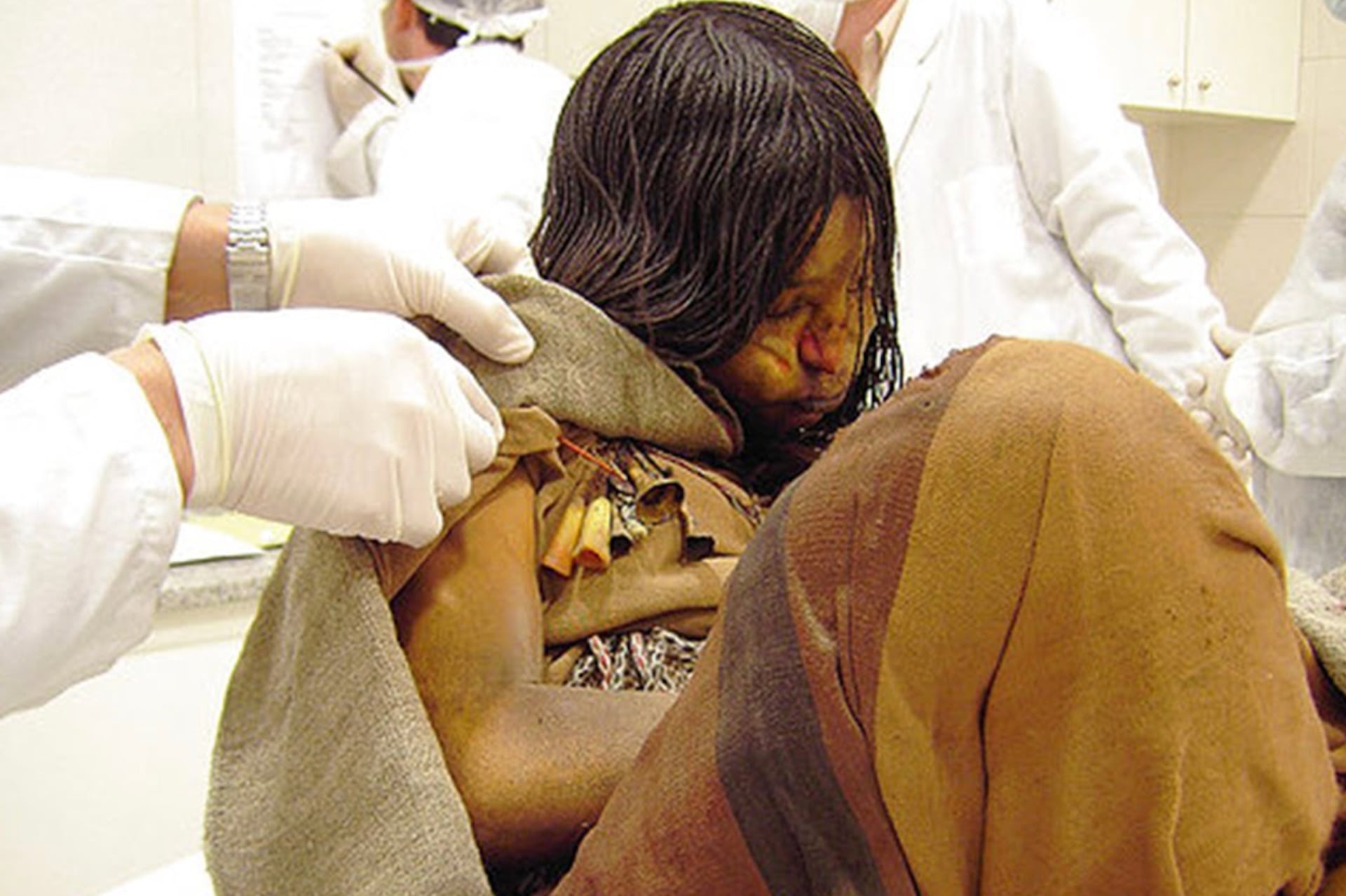
Scientists studying the skeletal remains of youngsters involved in the Inca “capacochas”—ceremonial gifts offered atop lofty Andean summits—have detected a collection of substances that were applied to the bodies prior to their abandonment on volcanic peaks. The evidence points to these materials serving as spiritual sustenance, enabling the children to act as intermediaries between their community and the gods they aimed to placate.
The study, based on bones unearthed at locations like Mount Llullaillaco and additional high‑elevation sanctuaries, revealed traces of plant powders, mineral salts and animal fats. These compounds were not incidental; lab tests show they were deliberately chosen for their symbolic—and perhaps psychoactive—attributes, resonating with established Inca ideas of cleansing and passage.
Within Inca cosmology, youngsters were regarded as immaculate conduits able to link mortals with the divine. Supplying them with items that might smooth their journey, the culture held that the children's spirits would convey prayers and thanks to the deities, securing good weather, abundant crops, or success in war. The residues identified on the bodies probably acted as an \"offering within an offering\", a gesture intended both to soothe the sacrificed and to demonstrate reverence toward the gods.
Spanish chroniclers and enduring oral histories have long narrated the capacocha tradition, yet the exact details of the rituals performed before death have stayed vague. This fresh chemical data bridges that void, revealing that the Inca added a tangible layer to their spiritual preparations, beyond the ritual garments and jewelry already recorded.
Scholars warn that, although the detection of these substances is undeniable, their precise symbolic significance remains debated. One line of thought suggests that specific plant powders were selected for hallucinogenic effects, possibly to trigger a trance that would facilitate the child's passage. Another perspective holds that the mineral salts served solely a purifying role, reflecting wider Andean cleansing rituals.
This finding refines our perception of the ways the Inca blended religion, medicine and ecology within empire‑wide ceremonies. It also prompts inquiries into the supply chains needed to move these materials to isolated high‑mountain altars. Upcoming digs and comparative research might determine if comparable offerings were part of other Inca sacrifices, further illuminating the intricate relationship between belief and practice in pre‑colonial South America.


Comments (0)
Be the first to comment.
Join the discussion