New Research Proposes a Woman Held Pharaoh Title in Egypt’s First Dynasty
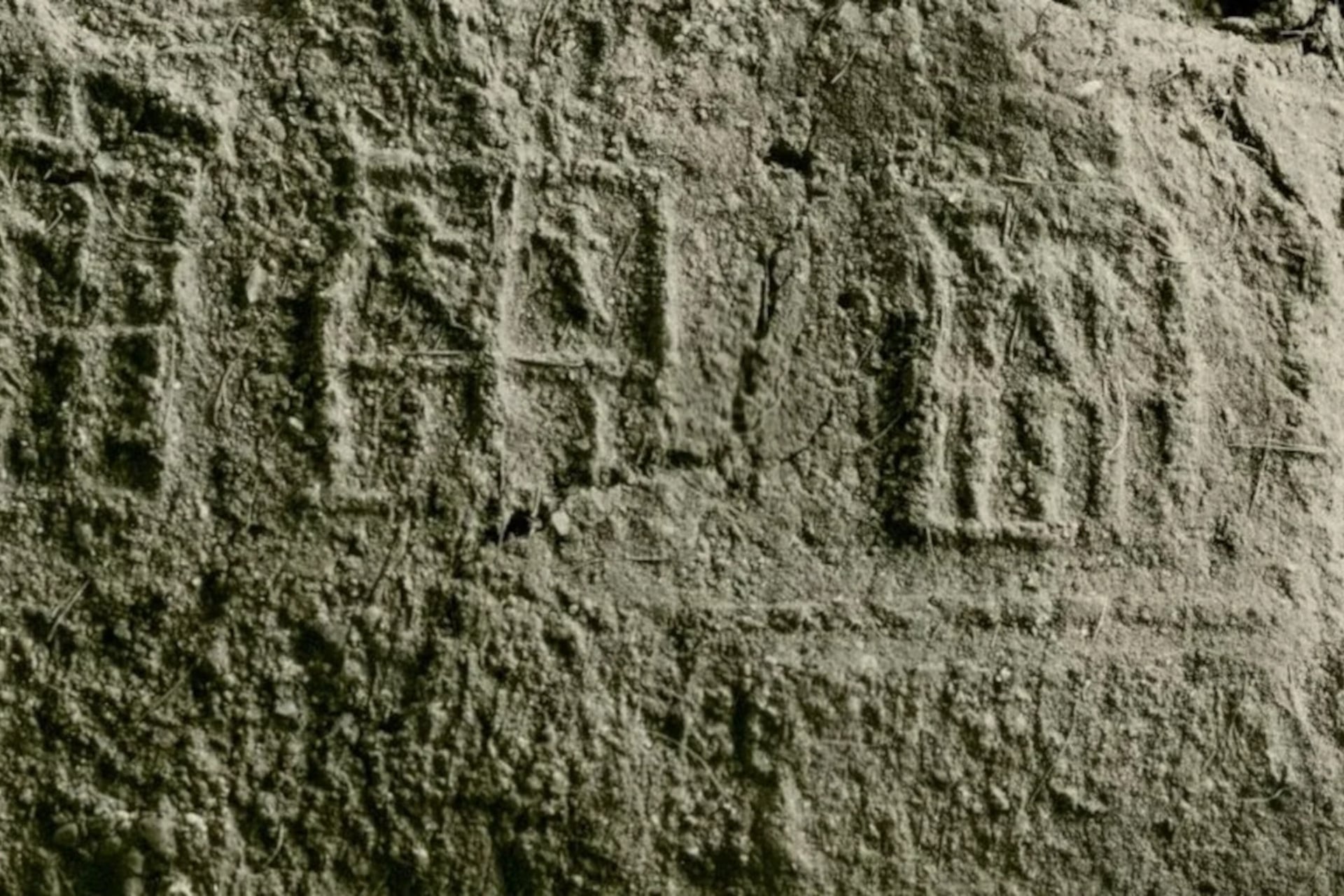
A fresh study has revived a decades‑old academic dispute by suggesting that a female may have governed ancient Egypt as a king in the First Dynasty, about five thousand years past. This hypothesis is based on a reanalysis of a hundred‑year‑old, low‑resolution photo of an inscription that certain Egyptologists read as containing a royal name normally linked to a woman ruler.
The photograph, captured in the early 1900s on a mission to a tomb complex close to Abydos, has been labeled “blurry” and “hard to read.” By applying contemporary digital enhancement methods, the investigators say they have sharpened crucial hieroglyphic elements that display a royal titulary typically exclusive to kings, but coupled with a female epithet. Published in a peer‑reviewed archaeology journal, the paper contends that the inscription records a sovereign who assumed the complete pharaonic titulary despite being a woman.
Proponents cite examples like Meritneith, a senior First‑Dynasty official whose burial hints at her exercising kingly power, and later monarchs such as Hatshepsut, who famously assumed the male title and royal dress. This fresh analysis bolsters the notion that women’s rule was not limited to the later eras usually emphasized in textbooks.
Detractors, however, warn that the photographic proof is still ambiguous. A number of Egyptologists argue that the processed image could reflect interpretive bias and that, in the absence of supporting material—like sealings, pottery shards, or a contemporaneous inscription—the argument for a female pharaoh stays conjectural. They further point out that the First Dynasty’s documentation is thin, with most rulers attested only by a few stone vessels and the Narmer Palette.
The controversy raises wider issues concerning gender and authority in early Egyptian culture. Should a woman have truly taken on the complete pharaonic titulary at that juncture, it would imply that the criteria for legitimizing rule were more adaptable than scholars have assumed. It might also revise the chronology of political evolution, showing that the concentration of power in a single male monarch was not yet firmly established.
Upcoming investigations could depend on fresh archaeological finds or the use of sophisticated imaging on other badly preserved objects from the period. Researchers expect that continued digs at locations such as Abydos and Saqqara may reveal more inscriptions or funerary items that either bolster or undermine the proposition.
At present, the paper has ignited renewed curiosity about the murky history of the First Dynasty, encouraging museums, universities and independent scholars to re‑examine archival photographs and reassess long‑held beliefs about gender dynamics among Egypt’s earliest sovereigns.



Comments (0)
Be the first to comment.
Join the discussion