New Research Finds Both Male and Female Bonnethead Sharks Begin Life With Pointed Heads, Challenging Prior Sex‑Specific Theory
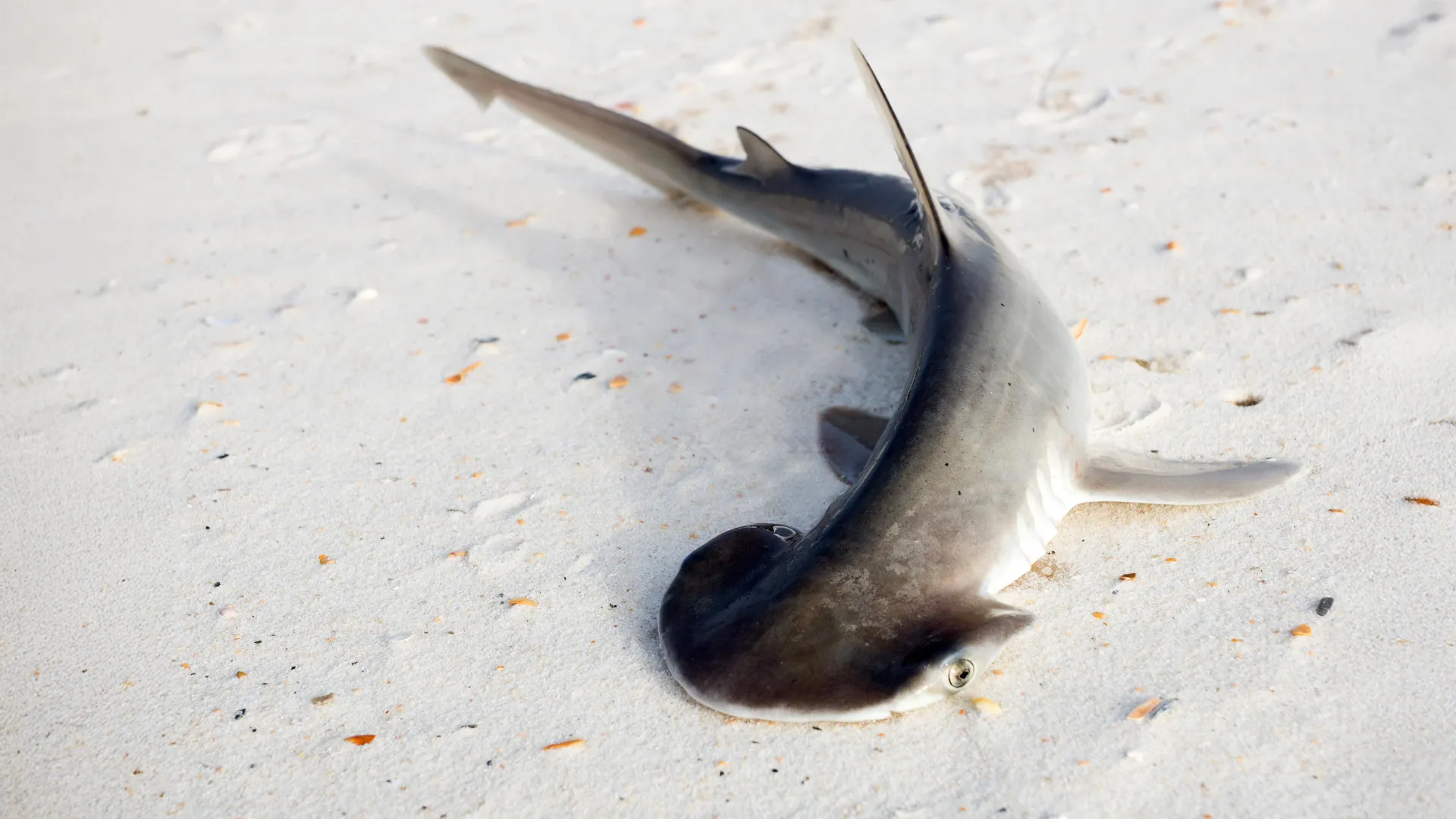
A team of marine biologists has overturned a long‑held view about how bonnethead sharks acquire their head shape, showing that the striking male‑female differences develop later in life rather than at the point of sexual maturity as once believed.
Analyzing several hundred individuals across a wide age spectrum, the scientists discovered that juvenile bonnetheads of either sex sport relatively pointed cephalo‑rostra. As the animals mature, their crania expand outward, a change that is especially marked in females and yields the rounded profiles typical of adult sharks.
For many years, the prevailing explanation for the pronounced sexual dimorphism in bonnethead head form posited that males sharpen their snouts upon reaching reproductive age while females retain a broader outline throughout. The fresh dataset, however, disproves that scenario by demonstrating that all juveniles start with a pointed shape, and that the later divergence stems from sex‑specific growth rates rather than a gender‑linked developmental trigger.
To reach these conclusions, the researchers performed exhaustive morphometric measurements—capturing head width, length and curvature—on specimens gathered from coastal field surveys as well as museum holdings. By pairing these metrics with age estimates derived from vertebral band counts, they were able to chart a clear pattern of head‑shape alteration over the shark’s lifespan.
The results carry wider significance for interpreting the functional role of the bonnethead’s hammer‑shaped head. A more rounded cranium in mature females could boost maneuverability or sharpen sensory perception in the benthic zones where they commonly hunt crustaceans, whereas the retained pointedness of younger sharks may facilitate navigation in open‑water environments.
Beyond the particulars of bonnethead biology, the study highlights a broader methodological shift in marine science toward employing larger, longitudinal datasets to reassess hypotheses that were previously based on limited observations. Such comprehensive evidence helps avoid entrenched misconceptions that affect everything from field identification guides to conservation policies.
The authors recommend that upcoming work probe the genetic and hormonal drivers behind the observed growth patterns and examine whether comparable ontogenetic shifts occur in related hammerhead species. This line of inquiry could determine if the bonnethead’s head‑shape trajectory is a singular adaptation or part of a more extensive evolutionary trend among sharks with laterally expanded heads.
As the scientific community digests these findings, the revised view of bonnethead development may lead to updates in educational resources and influence how fisheries managers evaluate the species, especially in regions where adult females represent a substantial share of the population.


Comments (0)
Be the first to comment.
Join the discussion