Neurable Launches Wireless Headset That Tracks Brain Activity to Flag Burnout Risk
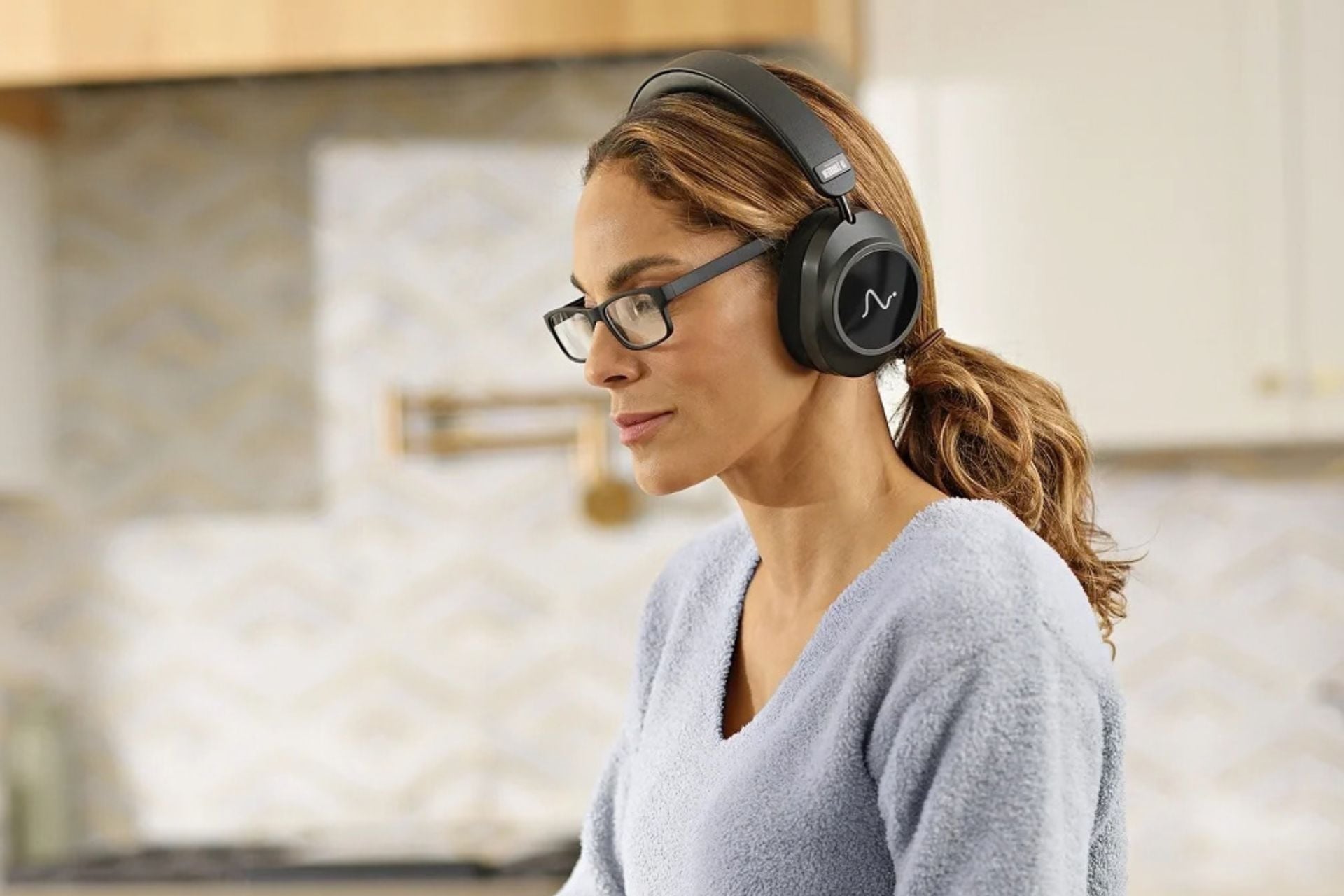
Neurable has rolled out a wireless headphone that employs brain‑wave monitoring to assess how close a user is to burnout, representing a significant step forward in consumer‑oriented mental‑health tech.
Called the Neurable One, the gadget embeds electroencephalography (EEG) sensors within a snug over‑ear design. It examines neural‑activity patterns to deliver instant feedback on stress, warning users when their brain signals show an increased chance of exhaustion.
Burnout—a condition of persistent physical and emotional fatigue often tied to extended workplace stress—has emerged as a rising public‑health issue. Conventional evaluations depend on self‑report questionnaires, which can suffer from bias or delayed detection. Neurable’s method aims to supply an objective, continuous metric that users can act upon before symptoms become severe.
Industry analysts point out that while EEG‑based headsets have been around for several years, they have largely remained confined to research labs or niche gaming uses. Neurable’s assertion of a consumer‑grade, wireless device that offers actionable insights could expand the market for neurotechnology focused on everyday wellbeing.
Experts warn that such devices should supplement, not replace, professional mental‑health care. The company stresses that the headset’s alerts are intended to prompt users to take preventive actions—such as taking breaks, practicing mindfulness, or consulting a professional—rather than function as a diagnostic tool.
Neurable’s launch arrives amid growing enthusiasm for wearable health trackers, from heart‑rate monitors to sleep‑analysis bands. As the technology evolves, regulators and privacy advocates are expected to examine how neural data is stored, processed, and shared. For now, the firm claims the data stays encrypted on the device and is not uploaded without the user’s explicit consent, highlighting the need to protect sensitive brain‑activity information.


Comments (0)
Be the first to comment.
Join the discussion