Navigating Dash Cam Laws: A Complex State-by-State Guide for Motorists
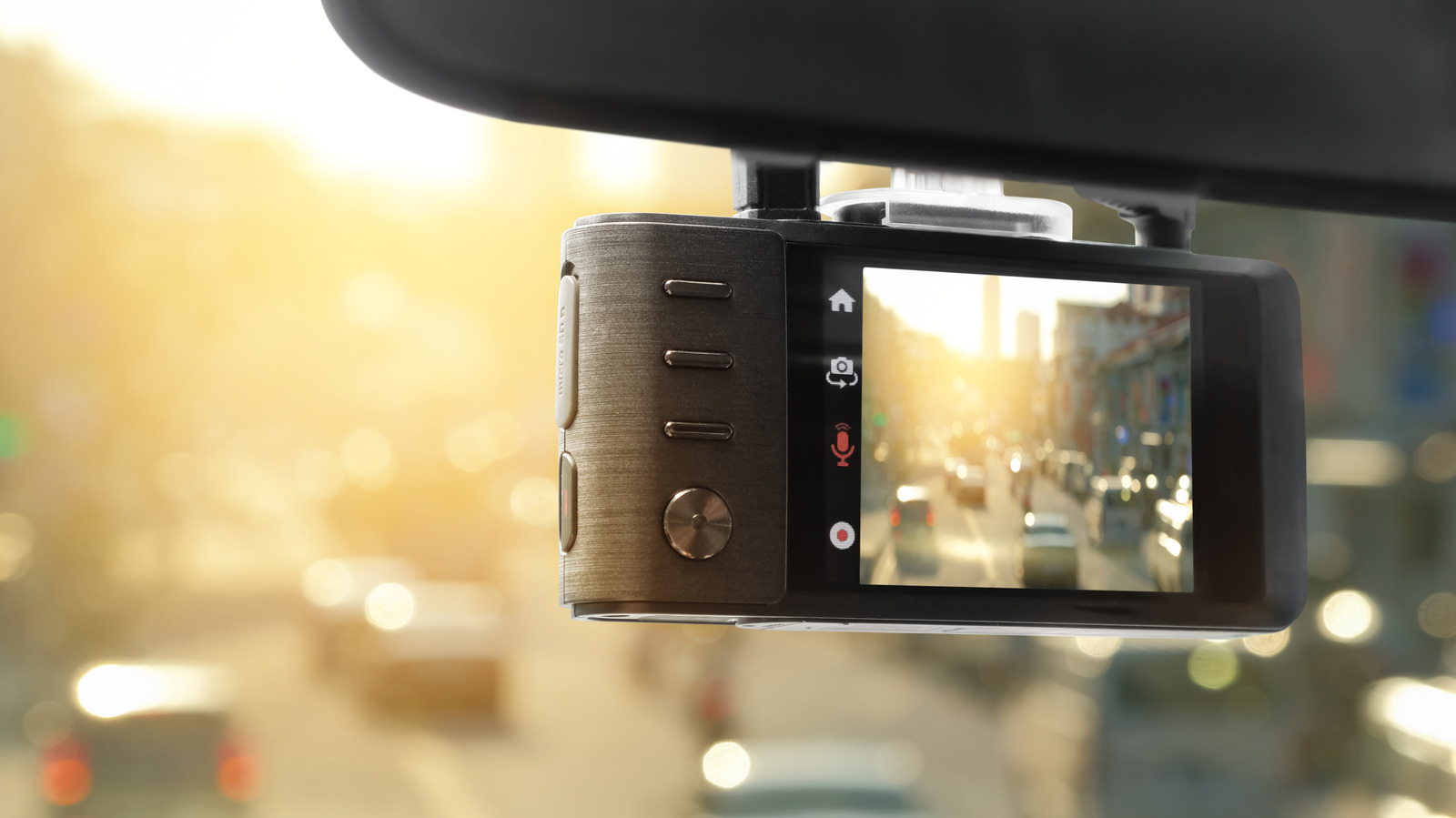
Motorists who count on dashboard cameras to provide security and document evidence during their travels might be startled to discover that the rules governing these gadgets are highly inconsistent throughout the United States. Although they are gaining widespread popularity, dash cams are subject to a complicated web of local laws that change dramatically from state to state, creating obstacles for drivers, especially those embarking on interstate journeys.
Because of this inconsistent regulatory landscape, a recording setup that is fully authorized in a driver's home state might trigger unforeseen legal trouble or financial penalties once they cross a state line. These diverse regulations are mostly driven by concerns surrounding the privacy of bystanders captured on film and the risk of blocking the motorist's line of sight.
Different regions enforce limits on various elements of using a dash cam. For example, certain states dictate precise locations on the dashboard or windshield where a camera may be installed to ensure it does not block the driver's perspective. Meanwhile, other areas enforce rigorous policies regarding audio capture, especially in 'two-party consent' jurisdictions where everyone in the vehicle must agree to being recorded. Such subtle distinctions highlight why keeping track of local ordinances is so critical.
For motorists preparing for a long road trip or frequently crossing state lines, conducting a deep dive into the specific dash cam rules along their intended route is highly recommended. Drivers can typically gather this information via state Department of Motor Vehicles portals, legal guides, or by contacting local police departments to avoid accidental infractions.
Disregarding a state's specific dash cam rules can result in several negative outcomes. Motorists could be hit with cash fines, forced to take down the camera, or, under worse circumstances, discover that video recorded by an unlawfully mounted or used device cannot be used as evidence in court or by insurance adjusters following an accident.
Even with these regulatory hurdles, dashboard cameras deliver notable benefits. They offer an unbiased record of road mishaps, function as vital proof for insurance disputes, and can even discourage potential thieves or vandals, ultimately boosting traffic safety and peace of mind for many vehicle owners.
As modern technology becomes more embedded in our routines and debates over privacy shift, the laws surrounding dash cams will probably continue to change. It is vital for drivers to keep up with the latest legislation and take necessary precautions, making sure their reliance on these helpful tools remains fully compliant with state and local codes.

Comments (0)
Be the first to comment.
Join the discussion