NASA’s Swift Telescope to Re‑Enter Earth’s Atmosphere and Burn Up on Nov. 4
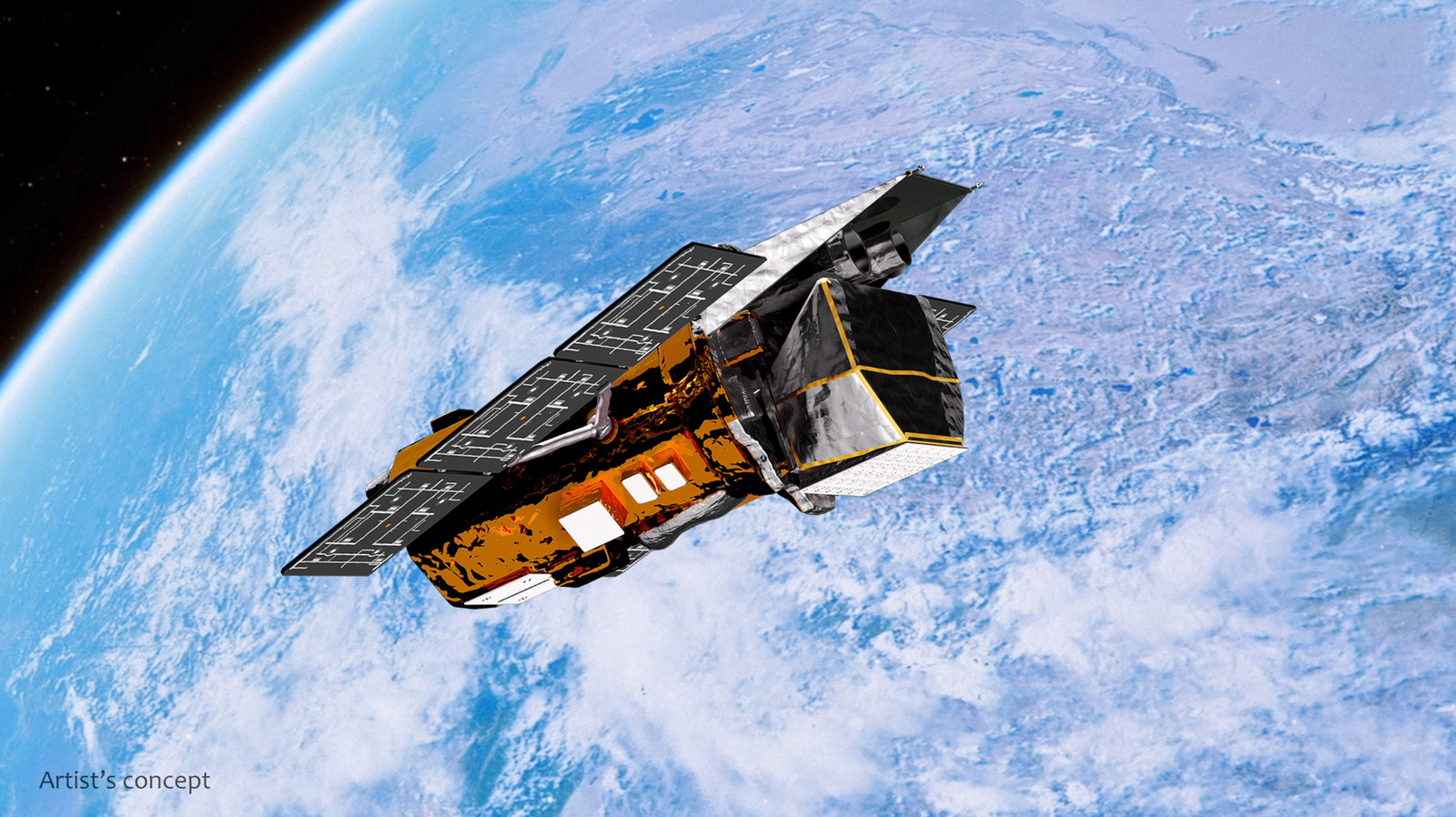
The United States Armed Forces reported that NASA’s Swift observatory will descend back into Earth’s atmosphere in the early hours of Nov. 4, where it is expected to incinerate upon re‑entry, concluding its service life.
Swift, which lifted off in November 2004, was built to spot and pinpoint gamma‑ray bursts—the most powerful explosions known in the cosmos. Throughout its 19‑year tenure it transmitted thousands of alerts to ground‑based telescopes, allowing astronomers to examine the afterglow of these brief events across the electromagnetic spectrum.
Having fulfilled its scientific aims, the spacecraft was moved into a low‑Earth orbit that has been slowly decaying as atmospheric drag reduced its speed. NASA initiated a controlled de‑orbit maneuver in 2023, dropping the perigee to guarantee a re‑entry over an uninhabited region. Tracking data from the armed forces show the vehicle will meet the denser atmospheric layers shortly after midnight UTC on Nov. 4.
Specialists explain that the bulk of the 1‑ton satellite will vaporize, leaving only minor fragments that might reach the ground. The anticipated re‑entry corridor spans the Atlantic Ocean and parts of the southern United States, a path selected to limit any danger to people or property. Comparable re‑entries of retired spacecraft have taken place safely for decades.
The Swift re‑entry brings to a close a program that helped define contemporary high‑energy astrophysics. NASA is now turning its attention to newer projects such as the Transient Astrophysics Probe, which will assume Swift’s role in detecting cosmic explosions. The agency continues to hone end‑of‑life protocols to ensure future satellites are disposed of safely.



Comments (0)
Be the first to comment.
Join the discussion