NASA Invites Public Feedback on Hubble’s End‑of‑Life Options as Its Orbit Winds Down
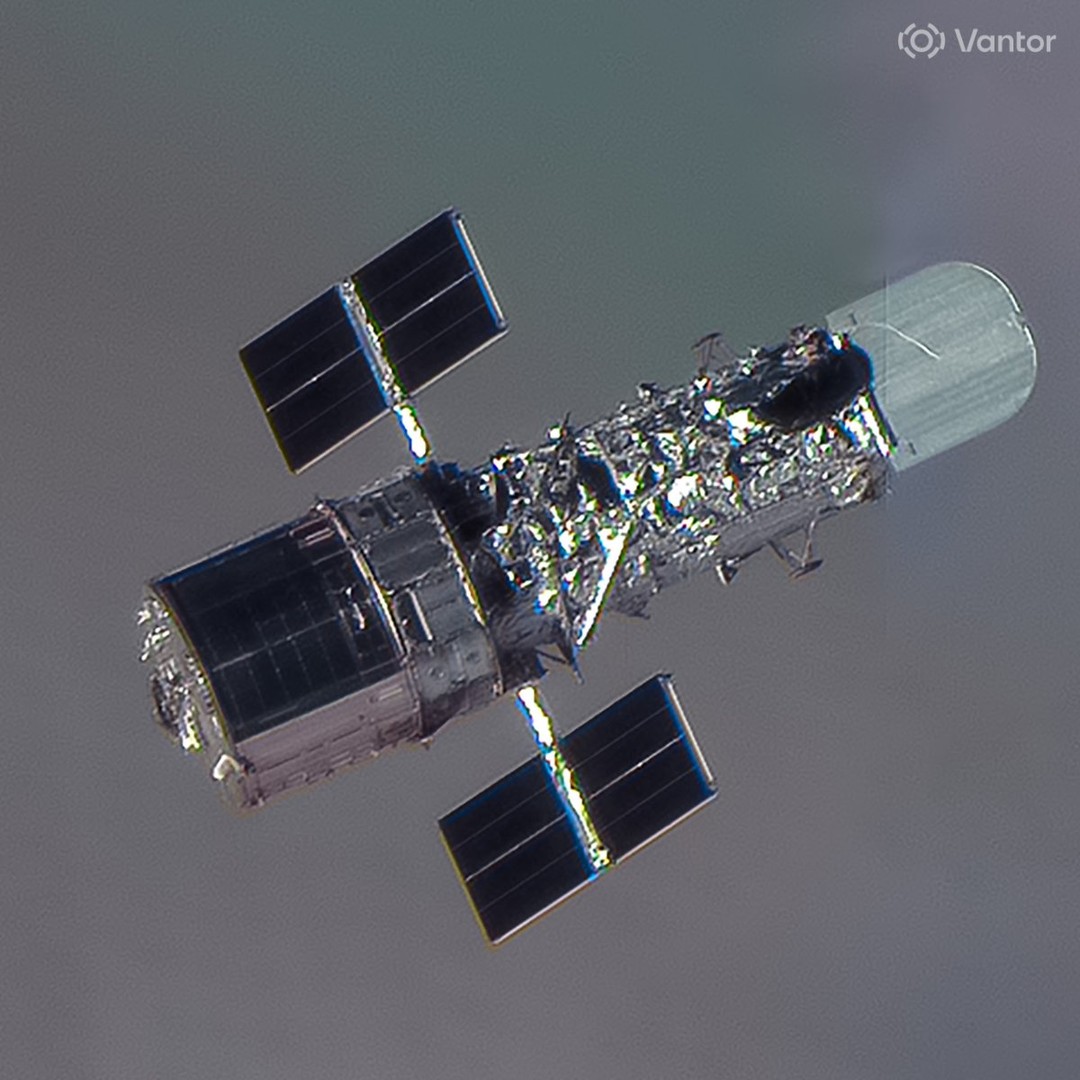
After more than thirty years of pioneering observations, the Hubble Space Telescope is drawing near the conclusion of its service life. NASA has launched a public consultation to consider possible paths for the aging instrument, which will inevitably re‑enter Earth’s atmosphere sometime in the early‑to‑mid‑2030s if no further steps are taken.
Since its 1990 launch, Hubble has become a hallmark of contemporary astronomy, producing images that transformed our cosmic perspective and supplying data that underpins innumerable scientific papers. Yet, the telescope’s aging gyroscopes, reaction wheels and other mechanical parts have diminished its maneuverability, restricting precise targeting of new objects and rendering routine upkeep increasingly challenging.
The agency’s newest request for information invites scientists, engineers and the public to assess the merits of several alternatives: a controlled de‑orbit, allowing it to burn up naturally, or undertaking a final servicing mission using advanced robotic technology. Each option presents its own technical hurdles and budgetary considerations, and the consultation seeks a wide range of viewpoints before a final decision is made.
Specialists warn that an uncontrolled re‑entry could entail hazards, though the probability of debris striking populated zones remains low. By contrast, a controlled descent would demand a dedicated launch vehicle and precise navigation to guide the spacecraft toward a remote oceanic area. A robotic refurbishment might prolong Hubble’s scientific output for a few additional years, but would require substantial development effort and funding that could compete with other priority missions such as the James Webb Space Telescope and upcoming planetary probes.
The result of this deliberation will influence the legacy of one of humanity’s most celebrated scientific tools. As NASA weighs fiscal limits against the goal of extracting maximum value from its historic investment, public input could determine whether Hubble concludes its service quietly, makes a final dramatic return to Earth’s atmosphere, or receives a last technological boost to keep probing the universe a little longer.



Comments (0)
Be the first to comment.
Join the discussion