NASA and NOAA Say Antarctic Ozone Hole Hits Decade Record, Spanning Area Equal to Three U.S.
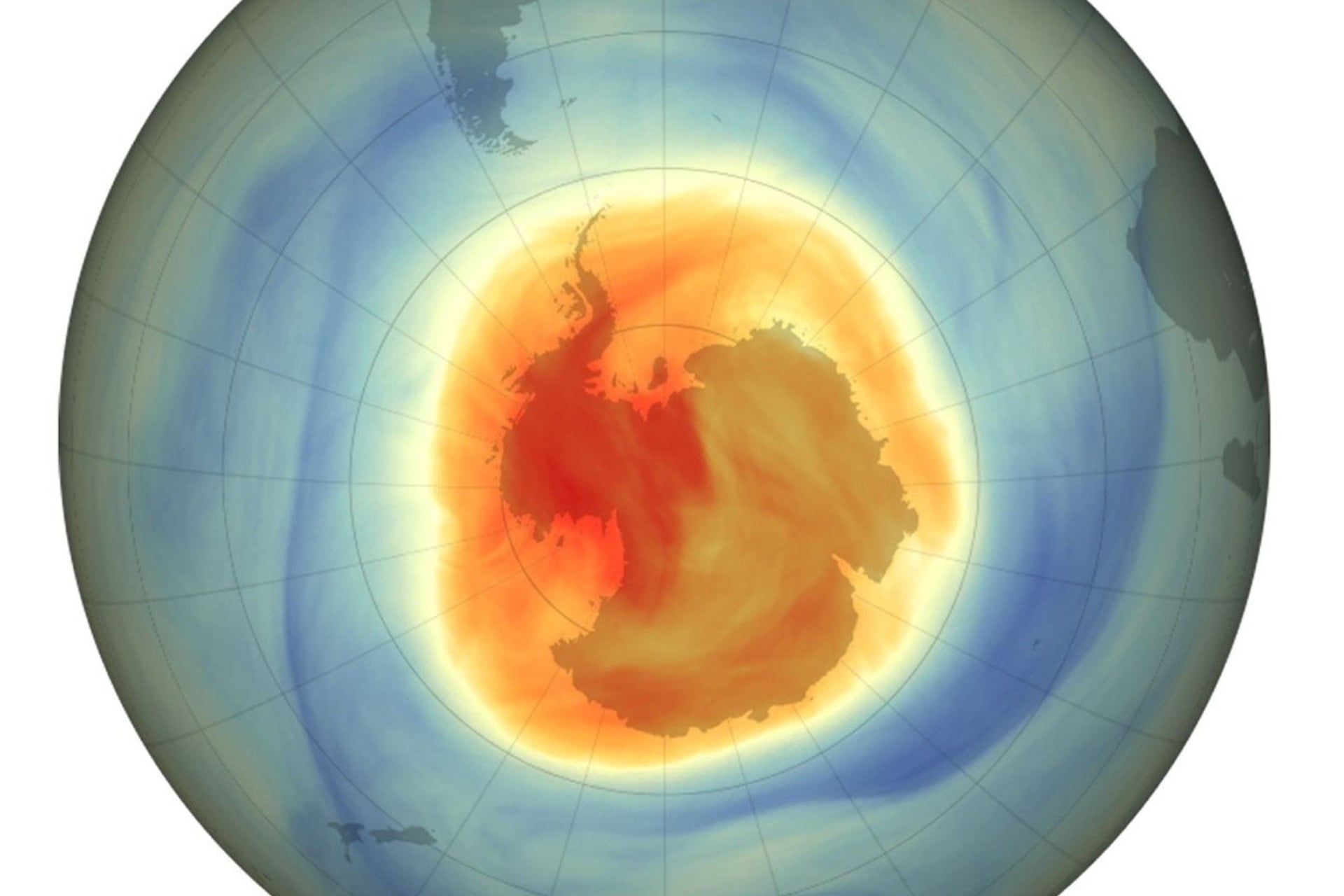
NASA and the National Oceanic and Atmospheric Administration scientists reported this week that the Antarctic ozone hole has grown to its biggest size in ten years, now covering an area about three times that of the United States.
Measurements from satellite sensors that monitor ultraviolet‑absorbing gases showed the expansion in early September, the period when the hole usually peaks. The latest figure puts the depleted zone at roughly 30 million square kilometres, well above the 9.8 million‑square‑kilometre area of the contiguous United States.
The occurrence is not new; the ozone hole was first observed in the mid‑1980s and hit its deepest depletion in the early 2000s. The 1987 Montreal Protocol, which phased out chlorofluorocarbons (CFCs) and similar substances, is credited with slowing the overall loss of stratospheric ozone.
What caught scientists off guard this year was the apparent influence of changing atmospheric dynamics rather than a resurgence of CFC releases. Early analysis indicates that an unusually warm stratosphere and a weakened polar vortex permitted ozone‑depleting chemicals to remain over Antarctica longer, enlarging the hole even as compliance with the protocol continues.
A larger hole means more ultraviolet‑B radiation reaches the Earth's surface, heightening worries about skin‑cancer rates, cataract occurrences, and harm to marine phytoplankton that underpin the Southern Ocean food chain.
Researchers point out that the interplay between climate change and ozone chemistry makes predicting future hole sizes more complicated. Higher temperatures in the lower stratosphere can both speed up ozone loss and modify circulation patterns that normally keep the depletion confined to the polar region.
Monitoring is being stepped up, with both agencies planning more frequent satellite overpasses and coordinated ground‑based observations. These data will be incorporated into revised atmospheric models to determine whether the present expansion is a one‑off event or the start of a new norm.
Although the Montreal Protocol remains central to ozone recovery, scientists emphasize the need for continued vigilance. Upholding current agreements while pursuing broader climate mitigation will be essential to avoid further setbacks in the slow repair of the ozone layer.


Comments (0)
Be the first to comment.
Join the discussion