Musk’s $500 Million Midterm Spending Fails to Yield Expected Wins
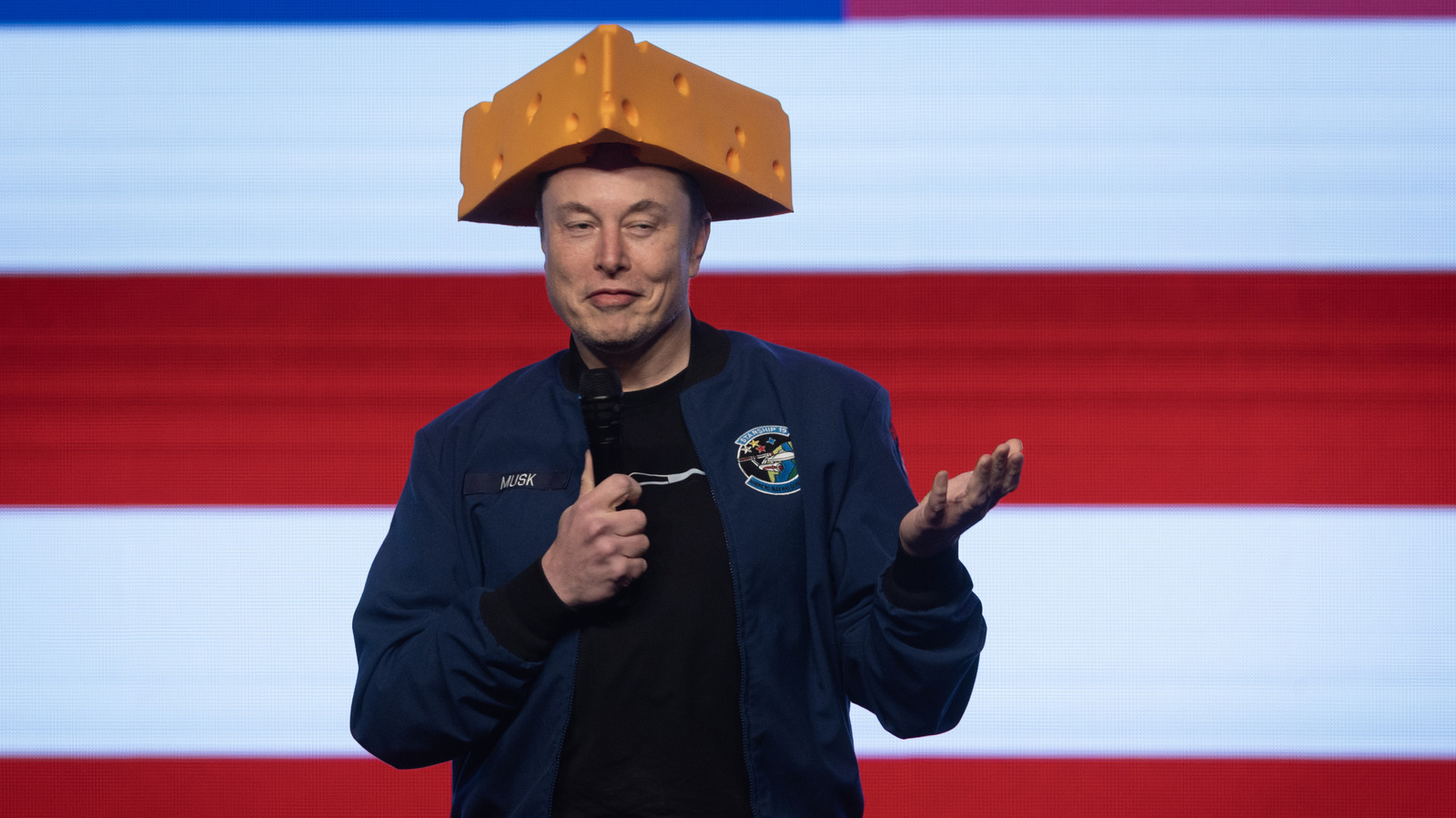
Elon Musk, the Tesla and SpaceX magnate, is said to have poured close to $500 million into the latest U.S. midterm contests, but the hefty outlay did not translate into the electoral victories his backers had hoped for.
For years, Musk has been an outspoken figure in politics, donating to candidates and initiatives that match his stances on regulation, taxes, and tech policy. His readiness to use personal fortune to sway politics has placed him at the center of debates over billionaire involvement in democracy.
The almost $500 million was channeled via a web of political action committees and ad drives aimed at swing districts nationwide. In terms of magnitude, this spending stands as one of the priciest single‑donor efforts in recent cycles, showcasing Musk’s belief that cash could sway tightly fought contests.
Even with its historic size, most of the candidates funded by Musk lost, and the resulting makeup of Congress moved opposite to what he likely favored. Analysts have dubbed the saga the “Cybertruck of elections,” echoing Musk’s high‑profile yet divisive product rollout that sparked attention but fell short of anticipated market success.
The result highlights the continuing discussion about how effective massive private spending is at influencing election results. Although cash is still a potent weapon in contemporary campaigns, the midterms show that voter mood and local factors can eclipse even the most forceful monetary tactics.
Going forward, campaign planners will probably reevaluate the cost‑benefit equation of billionaire‑funded spending, and Musk might seek other routes to affect policy. The episode acts as a warning to prospective donors who think that deep pockets assure political triumph.


Comments (0)
Be the first to comment.
Join the discussion