Modular Heads and Enclosed Design Position LaserPecker LX2 as Small‑Biz Friendly Laser Cutter
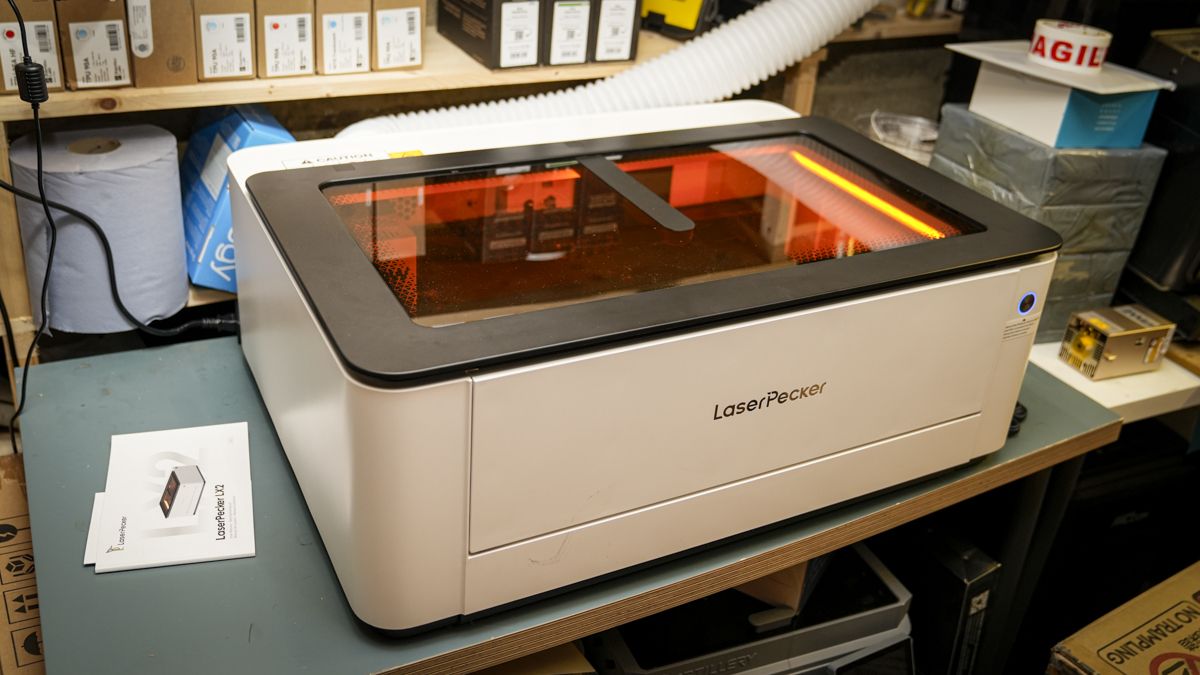
The LX2, LaserPecker’s latest model, is attracting notice because it pairs modular tooling with a completely sealed work envelope, attributes that reviewers argue render it a practical choice for home workshops and emerging businesses that don’t have the room or ventilation of bigger industrial facilities.
Having earned a reputation over several years for its portable engravers, the firm unveiled the LX2 as its inaugural machine featuring a sealed chamber. This architecture removes the necessity for a dedicated exhaust system—a stipulation that has historically confined entry‑level laser cutters to well‑ventilated spaces. By trapping fumes and debris, the LX2 can be used safely on a kitchen counter or a compact office desk.
One standout feature of the LX2 is its interchangeable head system. Operators can switch between engraving and cutting modules without needing to recalibrate, enabling one device to process diverse materials such as thin wood veneers and acrylic sheets. The heads connect via a quick‑release latch, a convenience praised by early users who point out the shortened downtime between jobs.
Analysts note that the market for small‑scale lasers is growing, driven by e‑commerce merchants, hobbyists, and boutique manufacturers looking for on‑demand production. Priced below many full‑size desktop cutters, the LX2 fits this momentum, serving as a bridge between entry‑level hobby kits and professional‑grade gear.
Although the LX2’s enclosure mitigates safety worries, specialists warn that users must still follow basic safeguards, like donning protective eyewear and checking material compatibility. Its software provides preset power and speed values for typical substrates, yet achieving the best outcomes frequently demands fine‑tuning, particularly when alternating between cutting and engraving heads.
Test feedback shows the unit produces steady line work and can cut plywood up to 3 mm deep, a performance level comparable to larger, pricier systems. Yet its modest work envelope—about 200 mm by 200 mm—makes it most appropriate for small parts, custom gifts, and prototype components rather than high‑volume production.
Looking forward, LaserPecker intends to introduce more head options, such as a high‑precision metal engraving module and a rotary accessory for cylindrical pieces. Should these additions arrive, the LX2 could serve as a versatile hub for micro‑manufacturing, further easing entry for entrepreneurs seeking a compact, all‑in‑one tool.
In sum, the LX2’s mix of safety, versatility, and price makes it a notable contender in a market that values accessibility. Its reception could indicate a move toward more user‑friendly laser solutions that enable small enterprises to operate without the overhead of conventional workshop setups.

Comments (0)
Be the first to comment.
Join the discussion