Mini PCs vs Laptops: Which Reigns Supreme in Home Offices?
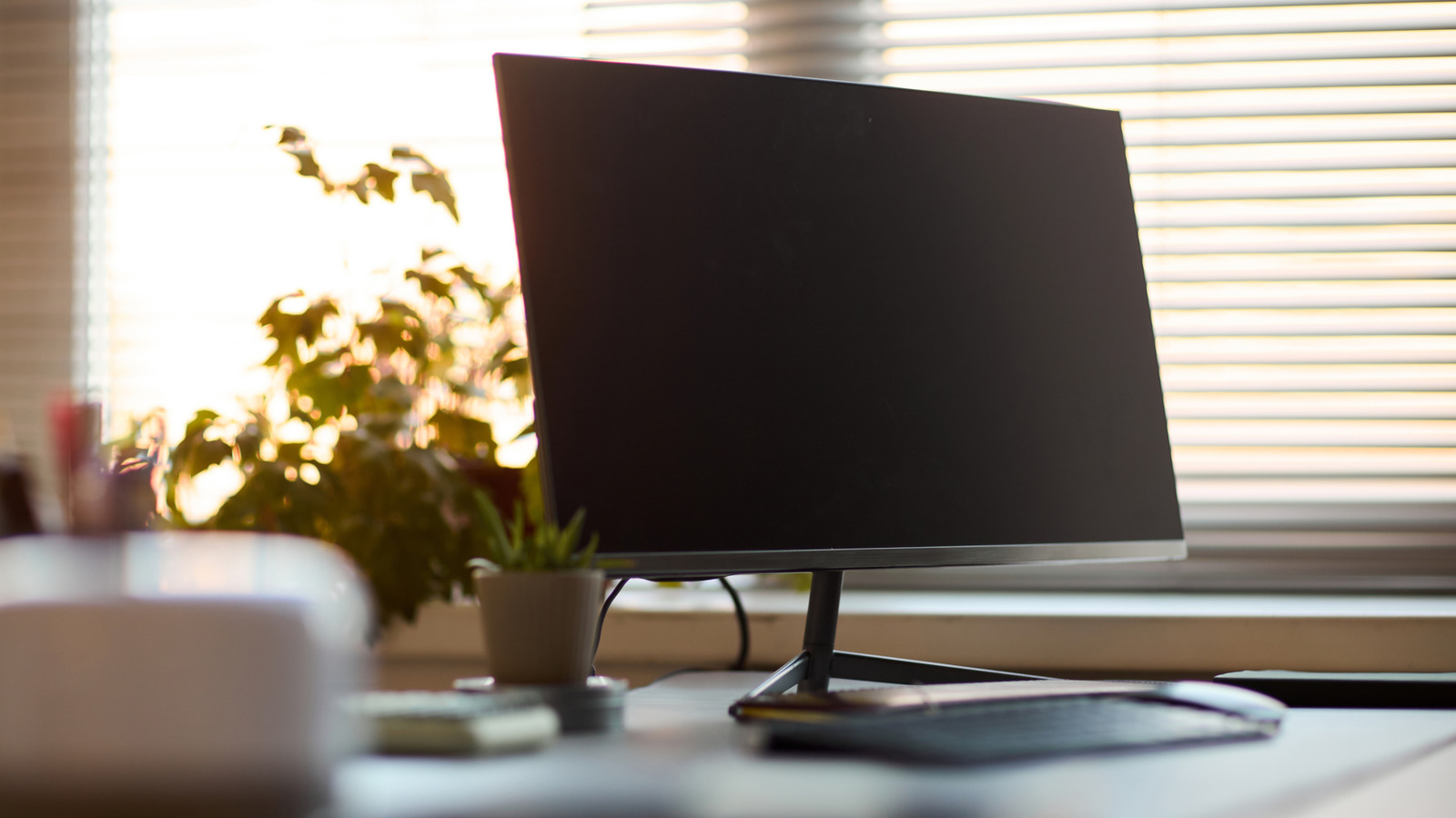
With remote work entrenched in today’s business landscape, workers are comparing two space‑saving computing choices: the ultra‑small desktop called a mini PC and the conventional laptop. Both offer their own mix of convenience, performance and portability, leaving the home‑office arena without a single clear champion.
Mini PCs attract users mainly because of their tiny footprint. A typical unit can rest on a shelf or be mounted behind a monitor, liberating desk area that a larger tower would occupy. They often house the same CPUs and memory options found in full‑size desktops, enabling smooth operation of office suites, video‑conference applications and even modest media‑editing work without a performance hit. Their modular construction also makes swapping SSDs or adding RAM considerably easier than with most laptops.
Laptops, on the other hand, combine screen, keyboard, trackpad and battery into one portable chassis. For employees who alternate between a home desk, a café, or a client’s office, the capability to grab the machine and pick up exactly where they left off is a decisive benefit. Built‑in batteries guard against power cuts, and today’s ultrabooks can match the performance of many mini PCs while weighing less than three pounds.
Ultimately, the decision often comes down to the trade‑off between space and mobility. A writer or accountant who works all day at a single workstation may prefer the additional screen space and ergonomic freedom that a separate monitor, keyboard and mini PC provide. Conversely, a traveling sales rep or a consultant meeting clients at various sites will likely opt for the laptop’s all‑in‑one convenience.
Price is another factor. Entry‑level mini PCs are sometimes cheaper than comparable laptops, yet the necessity to buy external peripherals—monitor, keyboard, mouse—can increase the overall cost. Laptops may carry a higher upfront price tag, but they arrive with those components and a battery, potentially offering better value for users who want a ready‑to‑use system straight out of the box.
Analysts observe that neither format is set to dominate the home‑office market outright. Instead, manufacturers are blurring the distinction by releasing tablets with detachable keyboards, 2‑in‑1 convertibles and mini PCs equipped with integrated graphics that can compete with mid‑range laptops. This convergence indicates that future purchasing choices will hinge less on device class and more on the specific workflow needs.
For the moment, the choice remains individual. Professionals should evaluate their daily habits, desk configuration and mobility requirements before settling on a mini PC or a laptop. As remote work continues to evolve, the ability to alternate between the two—or even employ both—may prove the most practical route to a productive home office.

Comments (0)
Be the first to comment.
Join the discussion