Mini DisplayPort Loses Ground as USB‑C and Thunderbolt Dominate
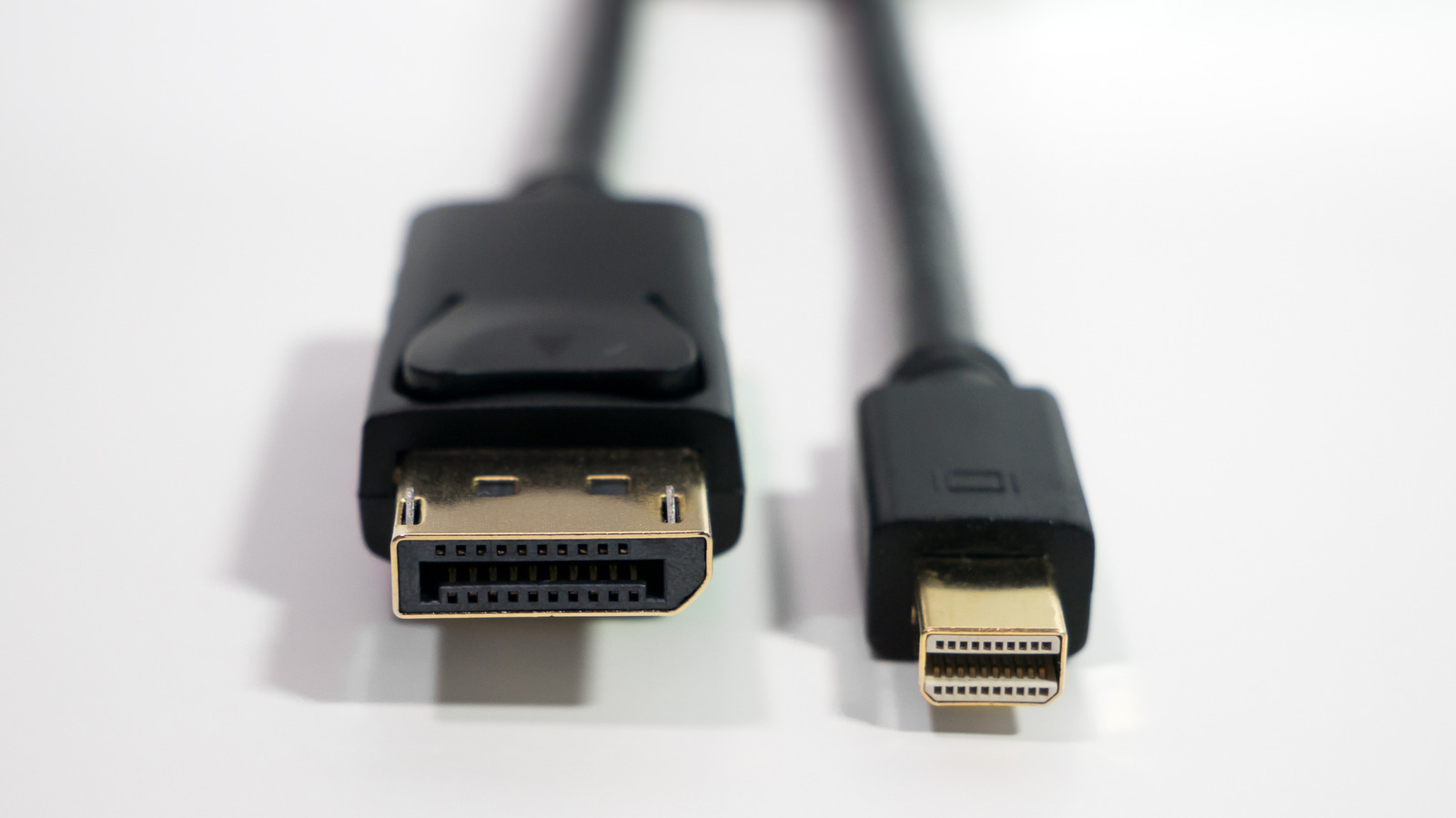
Mini DisplayPort, once common on many laptops and desktops, is vanishing from fresh hardware as makers turn to newer connection standards that promise greater bandwidth and flexibility.
Apple launched the mini‑sized version of DisplayPort in 2008 as a space‑saving alternative to the full‑size connector, and it quickly caught on industry‑wide. Its compact size suited ultrathin notebooks, while it carried high‑resolution video and audio, letting users hook up external monitors, projectors or HDTVs with a single cable.
In the subsequent years the port appeared on devices from leading PC vendors, often alongside HDMI and classic USB‑A jacks. The emergence of USB‑C and the adoption of Thunderbolt, however, have chipped away at Mini DisplayPort’s relevance. USB‑C transmits video, audio, power and data through one reversible plug, simplifying cable clutter for users and easing manufacturing for OEMs.
Thunderbolt, co‑developed by Apple and Intel, builds on the USB‑C form factor yet pushes data rates up to 40 Gbps in its newest version. Because Thunderbolt ports can natively carry DisplayPort signals, many newer laptops simply label the socket as USB‑C/Thunderbolt, effectively absorbing Mini DisplayPort’s capabilities without a dedicated connector.
For owners of devices that still rely on Mini DisplayPort, the shift creates a practical hurdle. Existing peripherals continue to function, but obtaining new accessories often means using adapters or dongles that translate USB‑C or HDMI back to Mini DisplayPort. While such adapters are widely sold, they introduce extra cost and another potential failure point, nudging consumers toward fully compatible gear.
This migration mirrors a wider trend in computing toward a single, multifunctional port to streamline design and enhance the user experience. Analysts point out that the move toward USB‑C also dovetails with regulatory efforts in certain regions to curb electronic waste by limiting the proliferation of proprietary connectors.
Looking ahead, the odds of Mini DisplayPort making a comeback in mainstream products appear slim. Unless a niche segment—such as legacy professional audio‑visual gear—maintains enough demand, manufacturers are likely to keep retiring the port in favor of the more capable USB‑C/Thunderbolt solutions. Current devices will stay supported for the foreseeable future, but upcoming product lines will leave Mini DisplayPort behind.



Comments (0)
Be the first to comment.
Join the discussion