Mike Flanagan Discusses the Rationale Behind Prime Video’s “Carrie” Reimagining
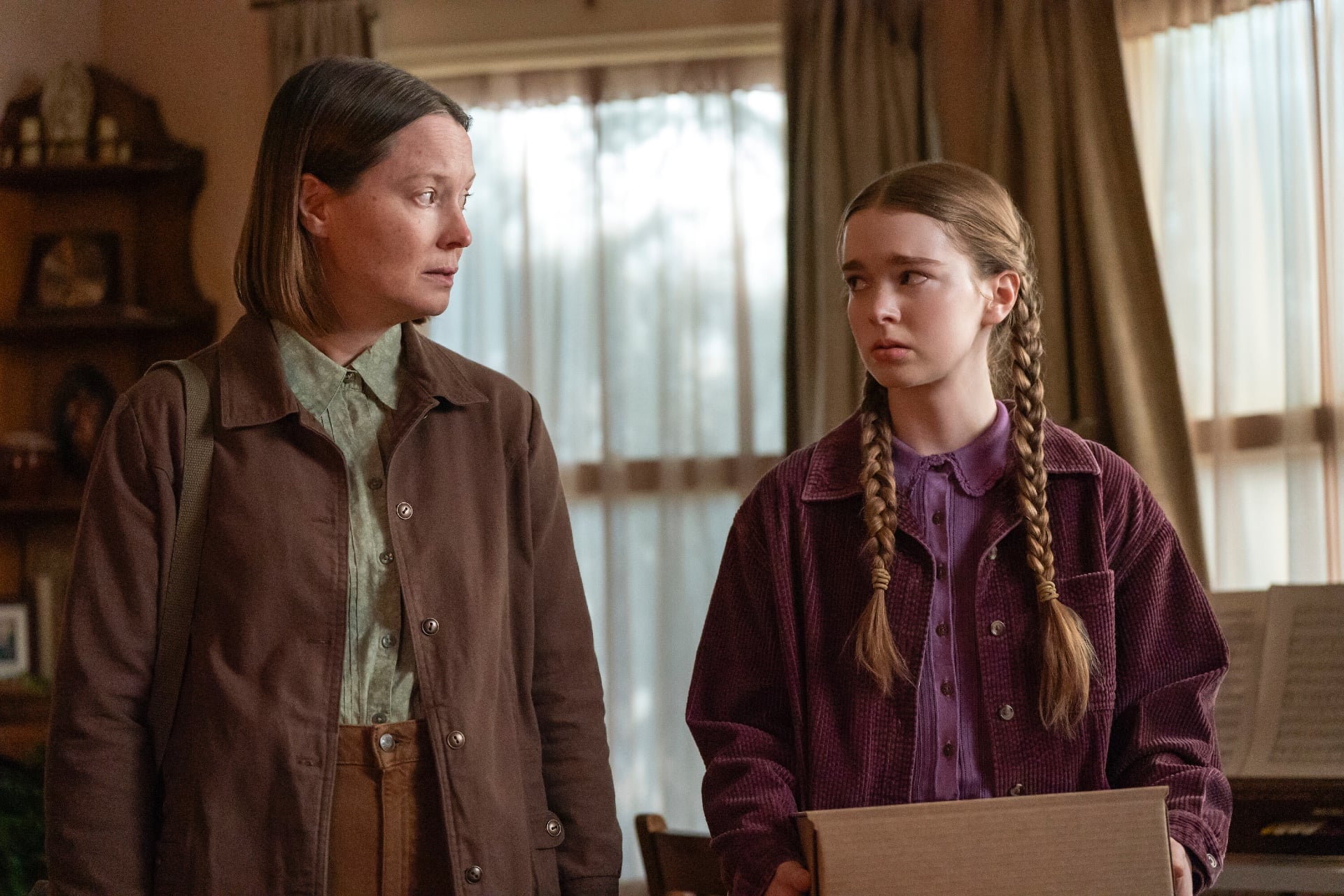
In a recent interview, writer‑director Mike Flanagan—who helms Prime Video’s fresh Stephen King series—explains the reasons the streaming adaptation of “Carrie” departs from the 1974 novel in multiple important respects.
The eight‑part series, launched earlier this year, has ignited debate among fans and critics over its deviations from the original work, leading the creator to discuss the thinking behind those choices.
Flanagan noted that the show broadens the story past Carrie White’s solitary ordeal, granting comparable focus to classmates, teachers and even the town’s clergy who influence her world. By interlacing these various angles, he hopes to enrich viewers’ grasp of the social forces that drive the novel’s core tragedy.
He added that updating the setting was crucial for contemporary relevance. Placing the characters in a modern high school, integrating present‑day technology, and refreshing cultural references enable audiences to recognize the enduring themes of bullying, religious fanaticism and teenage isolation within today’s context.
Among the changes, the prom scene has been re‑conceived to stress psychological tension instead of pure visual horror, and secondary characters receive expanded backstories that shed light on their motives and frailties. Flanagan says these adjustments aim to heighten the emotional stakes for a younger audience.
Initial responses are divided. Certain critics commend the new perspective and added layers, whereas others doubt the need to tweak iconic scenes. Flanagan concedes that veering from a cherished classic carries risk, yet maintains that any adaptation must reinterpret to keep the work vibrant.
This debate mirrors a wider pattern in streaming‑era retellings, where makers juggle loyalty to cherished source material against the demand for fresh content that satisfies binge‑watch viewers.
Looking forward, Flanagan suggests the series will keep delving into Carrie’s psyche and the fallout from the climactic moments, with the production team staying responsive to audience reactions as the narrative progresses.
In the end, the show highlights the difficulty of respecting a literary milestone while crafting a version that resonates with modern viewers—a balance Flanagan says lies at the core of any effective adaptation.


Comments (0)
Be the first to comment.
Join the discussion