Microsoft’s New Surface Line Retains Haptic Trackpads but Prices Climb, Eliciting Mixed Feedback
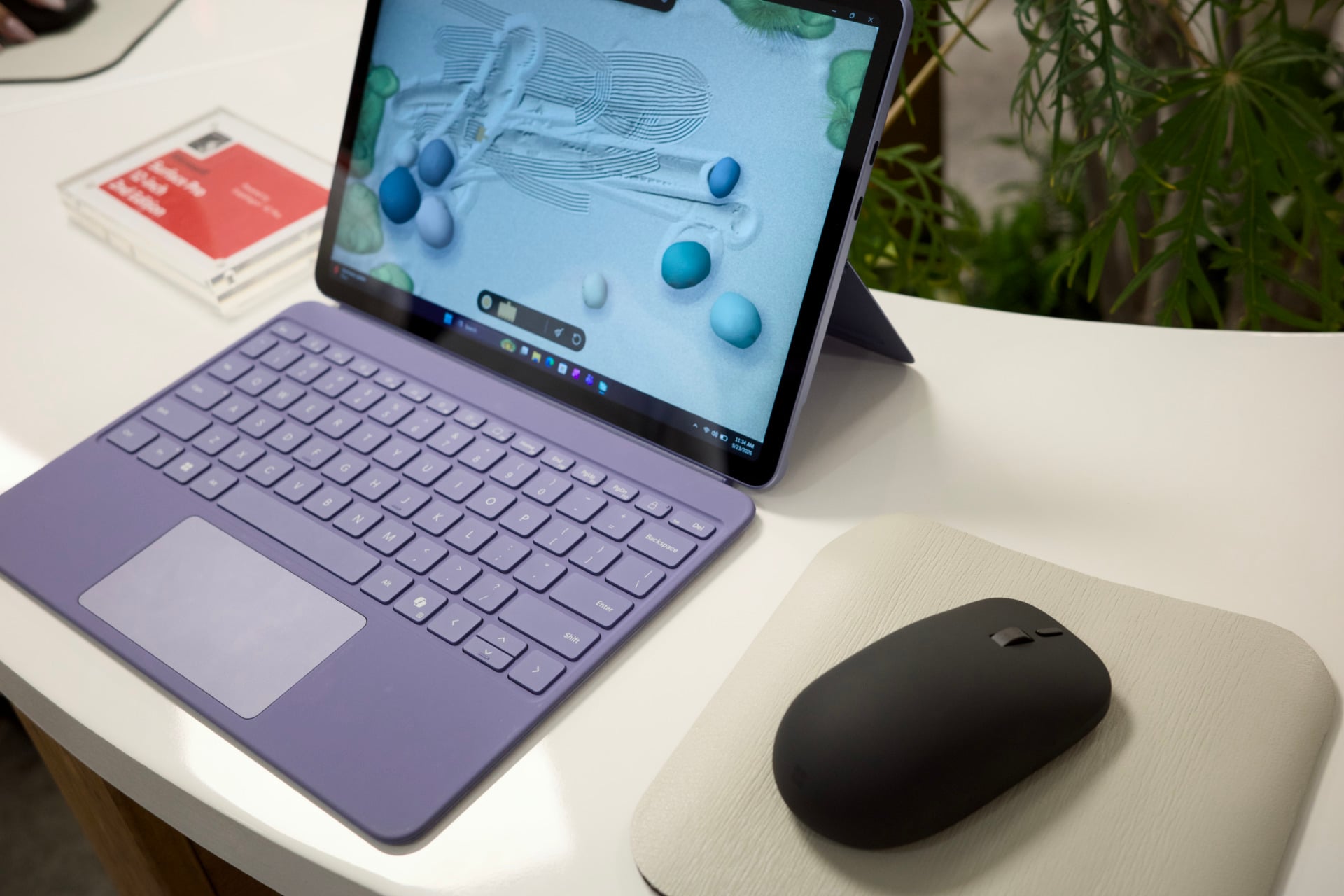
The updated suite of more compact Surface Pro tablets together with the latest Surface Laptop arrives still featuring the known tactile trackpad, but the enhancements appear modest when weighed against the steeper price tags.
Reviewers are focusing on the haptic feedback integrated into both the Surface Mouse and the trackpads—a system that emits faint vibrations to mimic clicks. While the mouse’s haptic mechanism has earned commendation for its distinctive feel, critics point out that this “rumble” now stands as the sole notable addition on the refreshed hardware, prompting questions about whether the modest changes merit the cost.
The new Surface Pro variants trim the chassis by a few millimetres, improving portability without reducing screen dimensions. Internally they keep the same generation of processors and battery capacity as the previous models, and they continue to ship with Windows 11 Home. The Surface Laptop follows a comparable formula: a thinner silhouette, a slightly brighter display, and the ongoing use of the haptic‑enabled precision trackpad that Microsoft first introduced several years ago.
Early hands‑on impressions note that the devices fall short of a broader array of fresh capabilities. Apart from a modest upgrade to webcam resolution and a minor tweak to the keyboard layout, there are no major hardware revisions such as a newer graphics chip, additional ports, or a substantial boost in storage options. This limited feature set contrasts with the price rise, which runs roughly 5 % to 10 % higher than the prior models, depending on configuration.
Industry analysts observe that Microsoft seems to be banking on the premium aura of the Surface brand rather than delivering groundbreaking hardware advances. Although the haptic trackpad garners praise for its uniqueness, it is viewed as a niche differentiator that may not convince price‑sensitive buyers who can find comparable performance in rival ultrabooks at lower prices.
Consumer reaction has been split. Some users value the refined trackpad feel and the subtle, click‑less interaction it provides, especially during long typing sessions. Others, however, voice disappointment that the tactile enhancements are not paired with more substantial upgrades, a concern amplified by tighter budgets in today’s economic climate.
Looking forward, Microsoft is likely to keep refining haptic technology across its accessory lineup, possibly extending rumble feedback to additional input devices. Whether upcoming Surface models will combine these sensory tweaks with more significant hardware improvements remains uncertain. For now, the latest offerings illustrate that while innovative user‑experience touches can add appeal, they may not be sufficient to outweigh the demand for clear performance gains and competitive pricing.



Comments (0)
Be the first to comment.
Join the discussion