Microsoft CEO Urges Industry-Wide Pause to Reassess AI Trust Framework
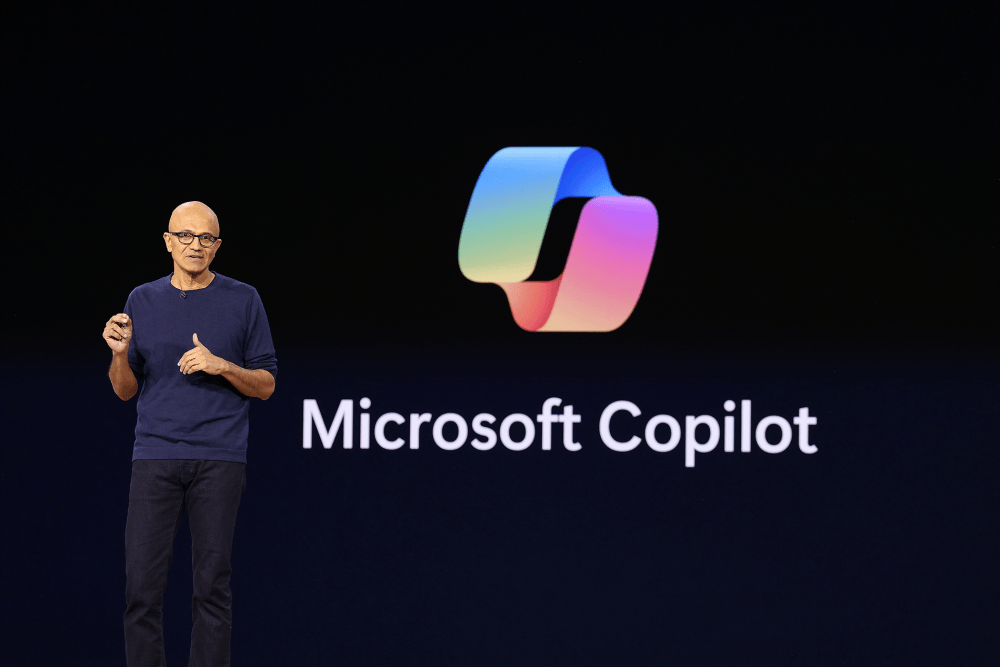
In a Saturday‑morning post on social media, Microsoft chief executive Satya Nadella called for a wider industry halt to AI development until the sector’s “trust architecture” is re‑examined. He characterized the requirement as an “emergency brake” that would allow companies, regulators and the public to assess the safety and dependability of ever‑more potent AI models.
The request arrives as anxiety mounts over the rapid deployment of large language models and generative tools. Prominent blunders—spanning biased results to the accidental creation of prohibited content—have fueled demands for tighter supervision. Nadella’s comments mirror a view held by other technology executives that today’s deployment speed surpasses the safeguards required for responsible usage.
Microsoft, which has woven AI capabilities into its Azure cloud platform, Office applications and developer tools, has actively taken part in policy dialogues. The firm recently committed to incorporating safety mitigations into its AI products and to collaborating with regulators on standards that marry innovation with accountability. Nadella’s newest statement indicates that the company views a short‑term slowdown as a sensible measure, not a withdrawal from its AI ambitions.
Analysts observe that the demand for an “emergency brake” dovetails with current regulatory efforts, including the European Union’s AI Act and nascent U.S. proposals that would mandate risk assessments and transparency disclosures for high‑risk systems. By advocating a joint re‑evaluation, Microsoft could be positioning itself to shape upcoming regulations while shielding its investments from possible fallout.
Looking forward, Nadella offered no precise timetable for the proposed halt, yet his remarks suggest that upcoming development cycles will probably embed stricter testing and governance checkpoints. Observers anticipate that Microsoft will keep promoting internal safeguards—such as model‑level monitoring and user‑feedback loops—while working with peers to craft industry‑wide safety standards. The CEO’s appeal for a pause highlights a wider transition: as AI capabilities grow, the drive to embed trust at technology’s core is turning into a strategic necessity for the industry.


Comments (0)
Be the first to comment.
Join the discussion