Meta plans launch of camera‑less smart glasses amid growing privacy‑centric AR drive
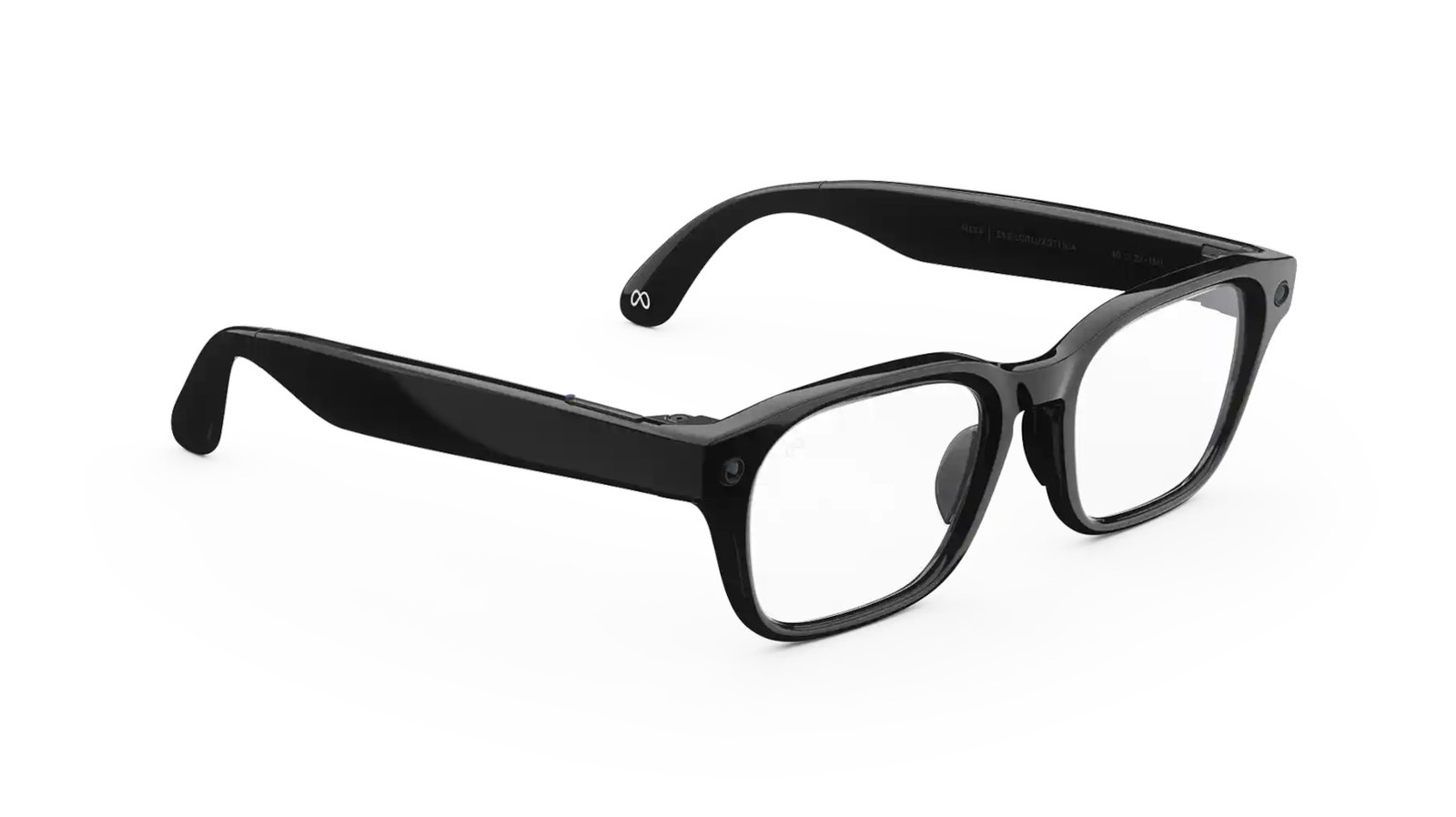
According to a source‑driven report in The Information, Meta Platforms is set to launch a next‑generation pair of smart glasses that omit a built‑in camera. This represents a departure from its prior wearables, which paired audio functions with front‑facing lenses capable of taking photos and video.
Previous iterations like the Ray‑Ban Stories and Meta Quest Glasses included cameras that triggered privacy worries among consumers and regulators. Removing the camera seems to be Meta’s response to the criticism that has limited widespread adoption of AR wearables.
Though detailed specs have not been disclosed, analysts anticipate the new glasses will keep key features such as spatial audio, voice‑activated assistants, and AR overlays that integrate with Meta’s suite of apps—Instagram, WhatsApp, and the Horizon virtual world. Insiders also hint at the inclusion of bone‑conducting speakers and eye‑tracking sensors for hands‑free control.
The rollout is expected to fit into Meta’s second‑half product schedule, possibly matching a developer conference where partner demos of prototypes might occur. Experts point out that a camera‑less design may ease regulatory clearance in regions that have examined facial‑recognition and recording functions.
Gaining widespread adoption has been difficult for the smart‑glasses sector, as rivals like Snap, Apple and Google face comparable obstacles concerning price, battery endurance, and user privacy. By branding its upcoming product as a privacy‑centric option, Meta aims to set itself apart and rekindle enthusiasm for wearable AR.
From a strategic standpoint, this hardware effort aligns with Meta’s larger goal of evolving from a social‑media‑focused firm into a dominant force in immersive computing. Seeking revenue streams beyond advertising, the company has poured significant resources into head‑mounted displays and associated software, treating wearables as a stepping stone toward its long‑term metaverse aspirations.
Analysts suggest that eliminating the camera may reduce the mental hurdle for typical users uneasy about being filmed in public. “A camera‑less form factor addresses one of the most vocal criticisms of wearables and may make the product more palatable for a wider audience,” one analyst said without naming the firm.
Still, the glasses are expected to gather data via microphones, motion sensors and possibly eye‑tracking hardware, prompting inquiries into Meta’s data‑handling practices. Privacy groups are likely to scrutinize the firm’s data‑use policies closely, despite the lack of a visual recording feature.
Looking forward, Meta plans to run small‑scale consumer trials before settling on pricing and distribution strategies. Should the product receive favorable feedback, it may mark a pivotal moment for AR wearables and underline Meta’s dedication to constructing a hardware ecosystem that underpins its immersive‑experience roadmap.



Comments (0)
Be the first to comment.
Join the discussion