Meta Introduces Muse, a Universal Personal AI Assistant Designed to Simplify Tasks
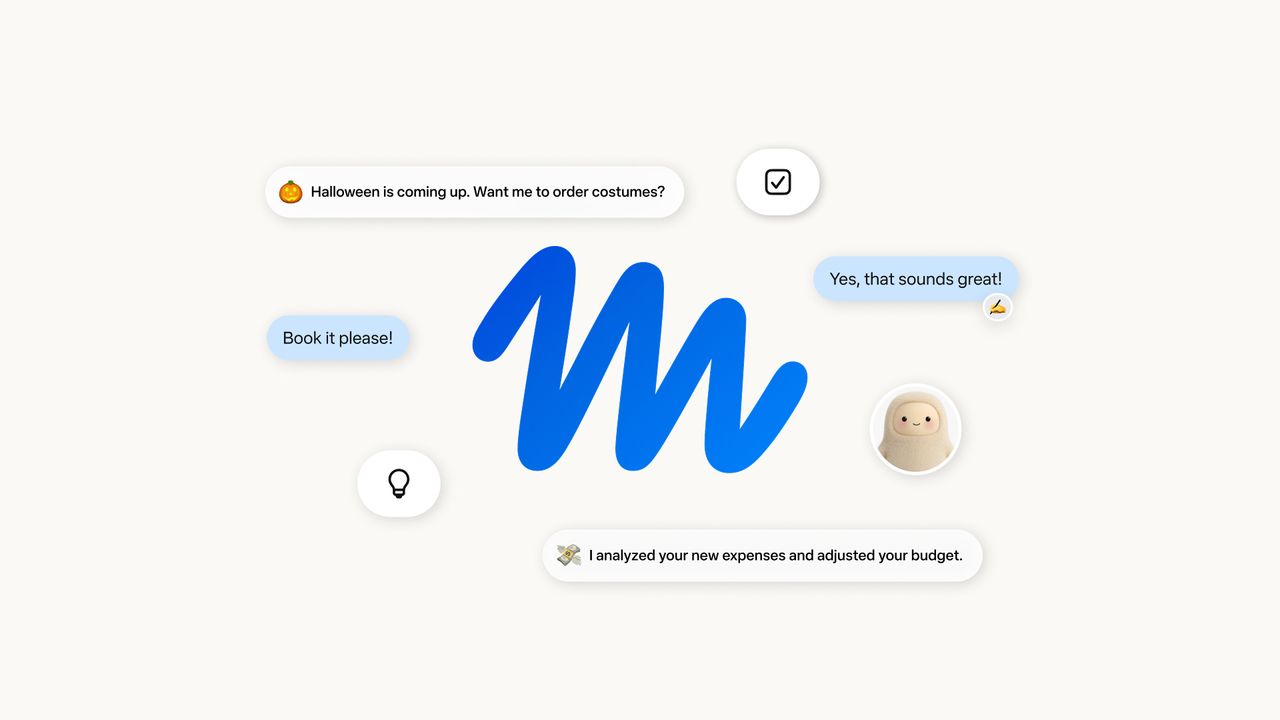
Meta revealed Muse, an AI‑powered assistant it touts as the "world's first personal AI agent built for everyone." The offering is described as a hybrid platform that merges task organization, communication aid, and data lookup to assist users in handling work‑related and personal duties.
Meta says Muse functions as a cloud‑resident sidekick reachable on multiple gadgets such as smartphones, PCs and upcoming wearables. People can give natural‑language prompts to arrange meetings, compose emails, condense documents, or retrieve live information, while the AI manages the bulk of the work in the background. Its launch aligns with a wider industry move toward integrating generative AI into routine productivity tools.
Muse arrives as companies ramp up AI trials to enhance productivity and cut repetitive tasks. Analysts observe that although numerous enterprise solutions now embed machine‑learning, Meta targets a unified, consumer‑oriented interface capable of supporting solo workers and modest teams alike. By bundling diverse capabilities under one name, Meta intends to set Muse apart from niche assistants that concentrate only on calendar handling or email automation.
The rollout has sparked debate over privacy and data management. Meta asserts that Muse follows its current privacy policies, processing user information in line with relevant regulations and providing controls for people to decide what data the AI may use. Nonetheless, critics warn that embedding an omnipresent assistant into everyday life brings up concerns about data ownership and possible algorithmic bias, particularly in light of Meta's past scrutiny regarding data handling.
Future plans see Meta enlarging Muse’s skill set via frequent updates and third‑party integrations, giving developers the chance to create add‑ons that fit specialized workflows. The firm also mentioned that input from early users will guide upcoming features like richer contextual grasp and stronger multimodal interaction. As AI helpers grow more ubiquitous, Muse’s fortunes will probably depend on striking a balance between ease of use and openness, delivering real productivity improvements while preserving user trust.



Comments (0)
Be the first to comment.
Join the discussion