Meta CEO Moves Solo on AI Safety as Industry Crafts Coordination Pact
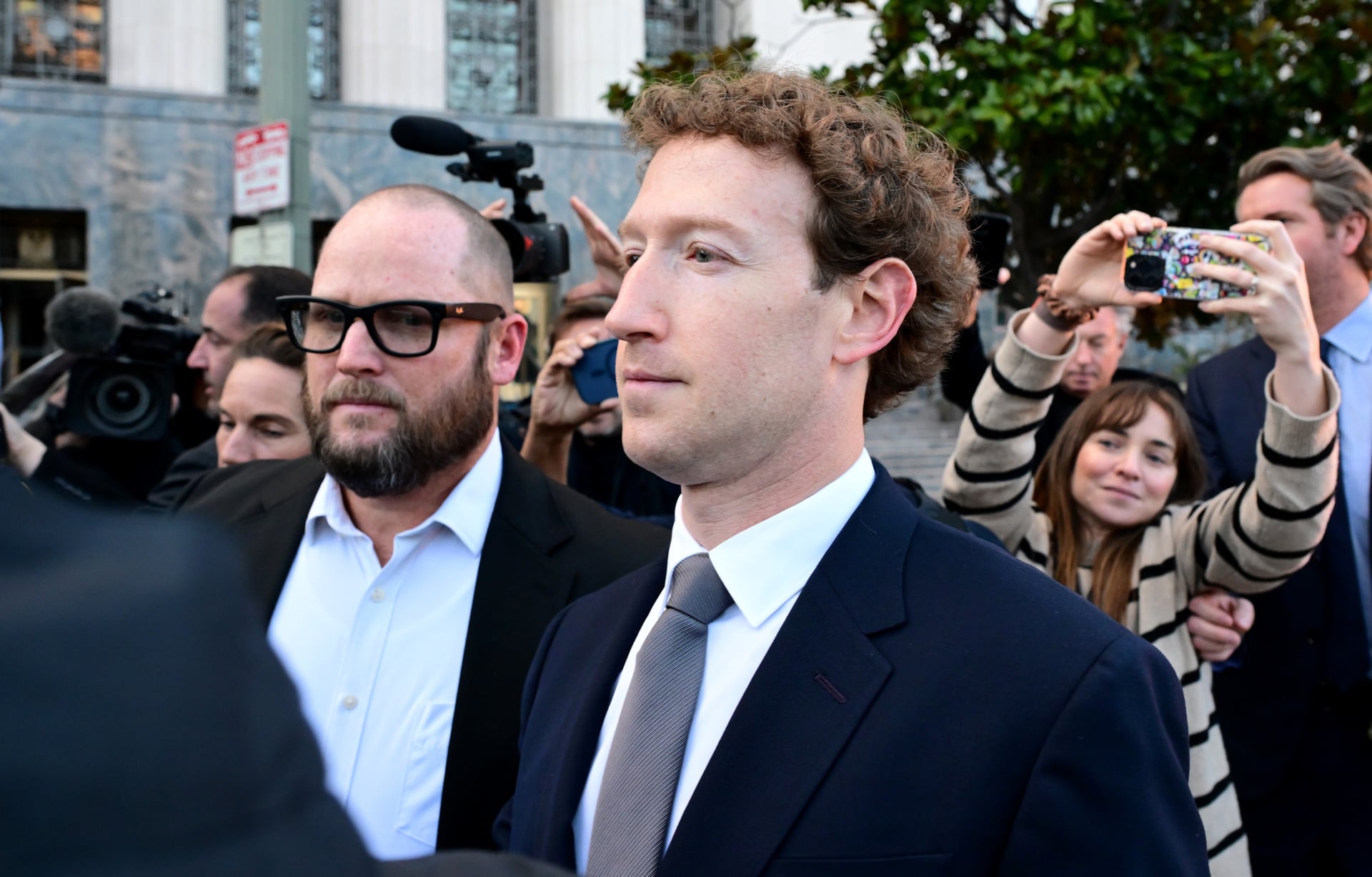
Meta chief executive Mark Zuckerberg openly rejected the latest calls for a shared safety framework, indicating that the company plans to chart its own course in managing artificial‑intelligence risks. Over the past week, he reiterated in multiple statements that Meta will keep building its AI offerings without joining a formal coordination agreement, asserting that its own internal safeguards are adequate for its products.
The rebuff arrives as policymakers, fellow firms, and civil‑society organizations intensify pressure, contending that a collective strategy is vital to curb the swift growth of generative AI. Detractors caution that a patchwork of safety standards may expose users to misinformation, deepfakes and other nascent hazards.
Even as Meta withdraws from joint efforts, three leading AI firms—OpenAI, Anthropic and Google—are said to be drafting a charter for a fresh safety coordination body. Industry insiders label the venture as a "mysterious" project intended to synchronize research roadmaps, exchange best practices, and set baseline safety protocols for adoption throughout the AI ecosystem.
Sources indicate the envisaged consortium would function autonomously from any single company, featuring a governance structure that seeks to balance openness with proprietary interests. Should it take hold, the alliance could evolve into a de‑facto standards authority, shaping assessments of AI systems for bias, robustness and misuse risk prior to market release.
The contrasting approaches of Meta and the budding coalition underscore a wider discussion on competition versus cooperation in a sector that is both profitable and socially consequential. Analysts point out that the eventual direction could influence policy debates in Washington and Brussels, where legislators are already formulating AI‑safety bills. With the industry watching, the forthcoming moves by Zuckerberg’s Meta and the nascent safety group are poised to define the governance framework for the next generation of AI technologies.


Comments (0)
Be the first to comment.
Join the discussion