Make America Health Again Falters Following Democrats' Midterm Wave, Outlook Unclear
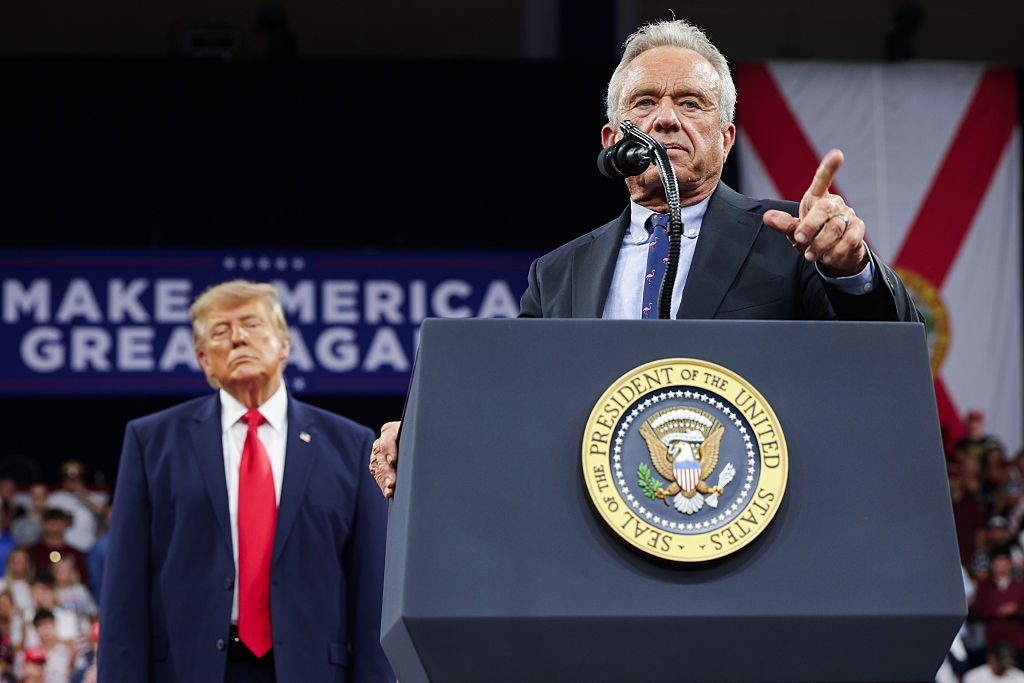
The Tuesday midterm contests across the country produced a sweeping win for Democrats, eclipsing Republican rivals in a surge that analysts describe as historic. Concurrently, the Make America Health Again (MAHA) group—known for its anti‑vaccine stance and a few health‑policy hopefuls—took a severe loss, prompting questions about its future prospects.
During the initial phase of the pandemic, MAHA formed as a loosely knit coalition of activists resisting federal vaccine mandates and related public‑health actions. Its creator, a vocal anti‑vaccine advocate who later became a health‑policy spokesperson, cast the organization as a political player, backing candidates, financing advertisements, and organizing rallies that portrayed the pandemic response as a violation of individual freedom.
The latest midterms signaled a pivotal shift for the group. MAHA‑supported candidates were defeated in several congressional districts, and the coalition did not win any of the state legislative races it pursued. Though vote differentials differed by contest, the trend was unmistakable: MAHA‑affiliated hopefuls could not muster sufficient backing to counter the wider Democratic wave that carried many historically contested districts.
Analysts cite multiple reasons for the losses. Exhaustion among voters regarding pandemic debates, together with a revived focus on science‑driven public health, seems to have dampened the draw of anti‑vaccine messaging. Moreover, Democratic campaign tactics that stressed healthcare accessibility and pandemic recovery struck a chord with a public still grappling with COVID‑19’s economic and social repercussions.
These setbacks generate tangible worries about MAHA’s outlook. The group’s fundraising, closely linked to high‑profile campaigns, could shrink absent electoral victories that demonstrate clout. Furthermore, the disappearance of legislative footholds may curb its capacity to directly influence health policy, compelling a reevaluation of approaches from grassroots mobilization to legal actions.
Going forward, MAHA’s leadership has indicated plans to regroup, hinting at a broader “health‑freedom” narrative that would go beyond vaccines to cover topics like telemedicine rules and medical‑choice bills. The coalition’s ability to reinvent and stay pertinent will hinge on how well it adjusts to a political environment where major parties have retaken control of the pandemic‑response discourse.


Comments (0)
Be the first to comment.
Join the discussion