Macs Feature Both Thunderbolt and USB‑C Ports – What Users Need to Know
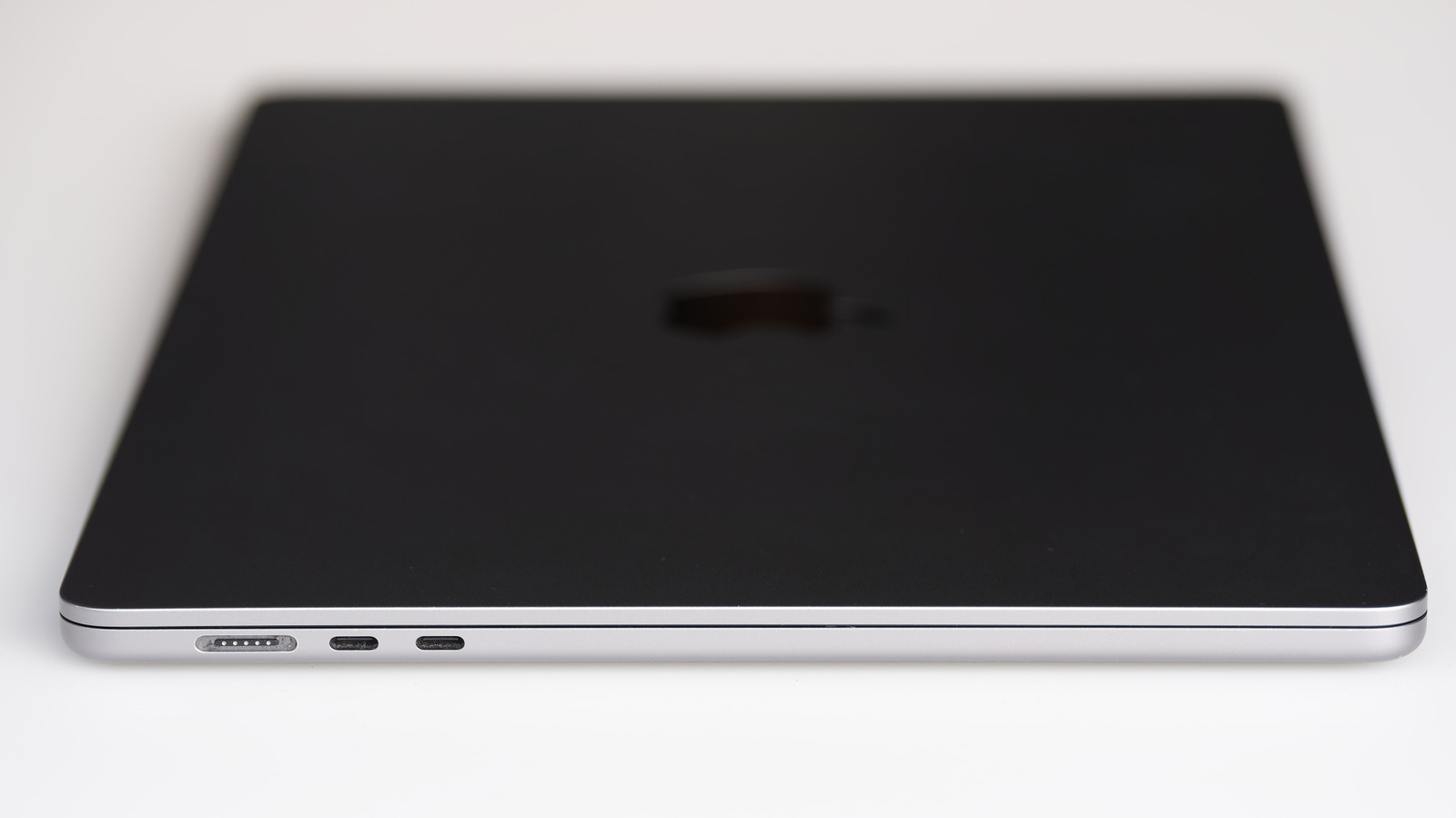
The latest Mac computers from Apple still rely on the reversible USB‑C plug, yet the sockets are not identical; certain ones support Thunderbolt, whereas others operate solely as ordinary USB‑C ports.
Thunderbolt, first created by Intel together with Apple, uses the identical USB‑C shape but incorporates an extra PCIe lane, allowing speeds of up to 40 Gbps. That capacity powers demanding accessories like external GPU boxes, 8K displays, and high‑speed RAID storage, and it permits chaining several devices in series.
By comparison, a standard USB‑C socket conforming to the USB 3.2 Gen 2 standard tops out at 10 Gbps. It can supply strong power—up to 100 W for laptop charging—and works with everyday devices such as smartphones, keyboards and external disks, yet it does not offer the direct PCIe link that enables Thunderbolt’s higher‑end functions.
Distinguishing the two on a Mac is simple on most machines: Thunderbolt sockets carry a lightning‑bolt icon, whereas regular USB‑C ports show the generic “USB” emblem. In several recent MacBook designs, every port is Thunderbolt‑capable, so they can run at Thunderbolt or USB rates based on the connected cable and device.
The difference becomes important when selecting peripherals. To attain the full 40 Gbps bandwidth, a Thunderbolt‑approved cable is necessary; a typical USB‑C cable will operate but only at the slower USB speeds. Similarly, attaching a device that relies exclusively on Thunderbolt to a plain USB‑C port can cause diminished performance or may fail entirely.
Looking forward, Apple’s plans indicate a steady move toward Thunderbolt‑4 connectors, which remain fully backward‑compatible with older USB‑C gear while delivering the utmost speed and flexibility. As the market evolves, users should face fewer compatibility issues, although choosing the right cable and accessory for each port’s capability will still be a factor for the near future.



Comments (0)
Be the first to comment.
Join the discussion