Lockheed Martin Presents Vectis Stealth Drone Line, First Flight Planned for 2027
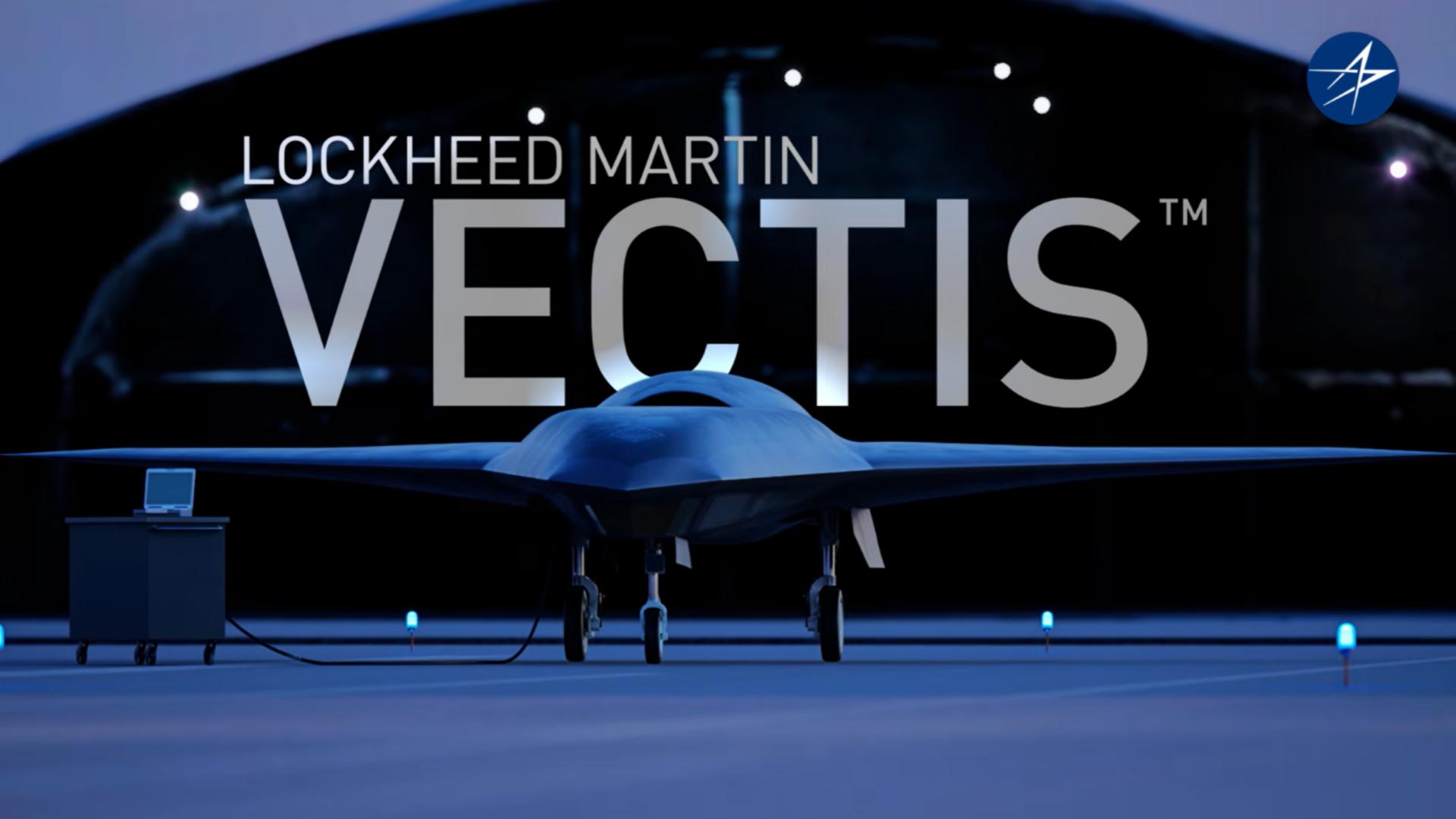
Lockheed Martin said its Vectis family of stealth combat UAVs is scheduled to be operational prior to 2028, with the first prototype slated to fly in 2027. The firm also issued promotional footage that offers a more detailed look at the drone’s layout, showcasing hidden missile bays that accommodate both air‑to‑air and strike weapons.
The Vectis airframe is about 34 feet long with a wingspan near 38 feet, placing it within the medium‑size category of combat UAVs. Its sleek profile and internal weapon bays are designed to lower radar cross‑section, matching the stealth traits now typical of contemporary air‑dominance platforms.
Lockheed stresses a cost‑effective solution that does not compromise performance, a point highlighted throughout its marketing. Housing weapons inside the fuselage instead of attaching them externally enables the drone to preserve a low‑observable silhouette while still offering a flexible payload. The video displays the concealed bays loaded with a combination of air‑to‑air missiles for defense and precision‑guided bombs for attack.
Vectsis’s progress coincides with a broader push by the United States and partner countries to grow their unmanned combat arsenals in response to shifting threats. Stealth UAVs are expected to function in contested skies while lowering pilot exposure, and their long‑endurance loiter capability provides commanders with adaptable choices for surveillance, interception and strike. Analysts observe that the schedule—prototype flight slated for 2027 and fielding before 2028—indicates a fast‑tracked procurement, probably spurred by budget constraints and rapid technological evolution.
Going forward, Lockheed Martin has not released a comprehensive deployment schedule or identified buyers, yet analysts anticipate the Vectis line will vie for contracts within various services and allied air forces. The firm’s focus on economical manufacturing may appeal to countries that want sophisticated capability without the high cost of larger manned fighters. Additional flight testing, sensor suite integration and proof of stealth performance will dictate the speed at which Vectis transitions from prototype to an active service asset.



Comments (0)
Be the first to comment.
Join the discussion