Killer Whales Spotted Striking Big Fish: A Mix of Fun and Utility, Researchers Suggest
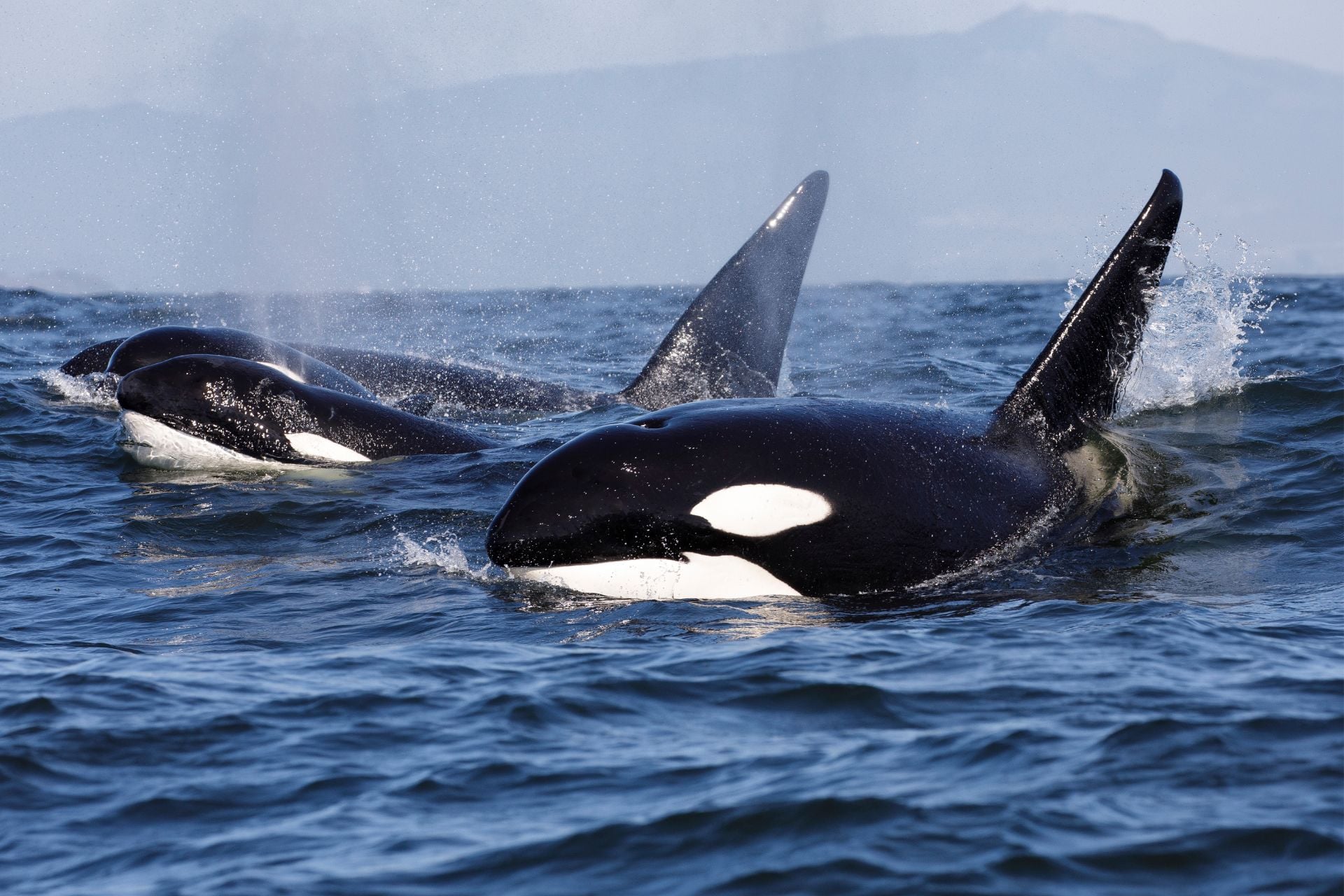
Scientists studying killer whales have documented a novel behavior—repeatedly striking massive, dead fish—leading them to propose a two-fold explanation for these high-energy actions: assisting younger pod members with digestion and acting as a type of social recreation.
These heavy collisions, capable of fracturing large carcasses into minor pieces, were recorded during research on the apex predators. The activity goes beyond simple feeding, showing how killer whales engage with their catch post-capture and exposing a far more complex behavior than researchers previously realized.
A leading hypothesis suggests that this striking method offers a useful biological advantage, especially for the pod's younger members. By systematically tearing robust or oversized prey into smaller, easier-to-swallow portions, mature whales likely facilitate feeding and digestion for the juveniles. This helps secure the effective uptake of nutrients, which is critical to the development and physical growth of the group's youth.
In addition to dietary advantages, investigators point to a potential component of playfulness and social bonding. Renowned for their high intelligence and intricate societal systems, killer whales frequently participate in activities that seem entirely recreational. This active manipulation of the fish might allow the animals to strengthen social ties, hone their predatory tactics in a safe setting, or merely share a moment of high spirits within the pod.
This finding introduces yet another intriguing dimension to our knowledge of orca behavior, emphasizing their incredible flexibility and cleverness in the wild. Celebrated for their varied and highly developed hunting methods—including collaborative tactics and distinct cultural habits transmitted across generations—these marine mammals never cease to amaze researchers with the diversity of their actions.
First reported by Gizmodo, the discovery highlights the continuous necessity of in-depth behavioral research on ocean life. Obtaining these details is vital to understanding the complicated existences of these smart animals and their functions in marine food webs.
Additional research will be necessary to completely grasp how often and why this odd conduct occurs. Experts could use state-of-the-art tracking and monitoring technology to verify whether particular pods display this behavior more frequently, or if it relates to particular kinds of prey or habitat factors. Future work of this nature holds the promise of revealing deeper truths about the complicated lives of these grand predators and the societal rules that shape their relationships.



Comments (0)
Be the first to comment.
Join the discussion