Kenyan Physicians Identify First Fully Drug‑Resistant Candida auris Case
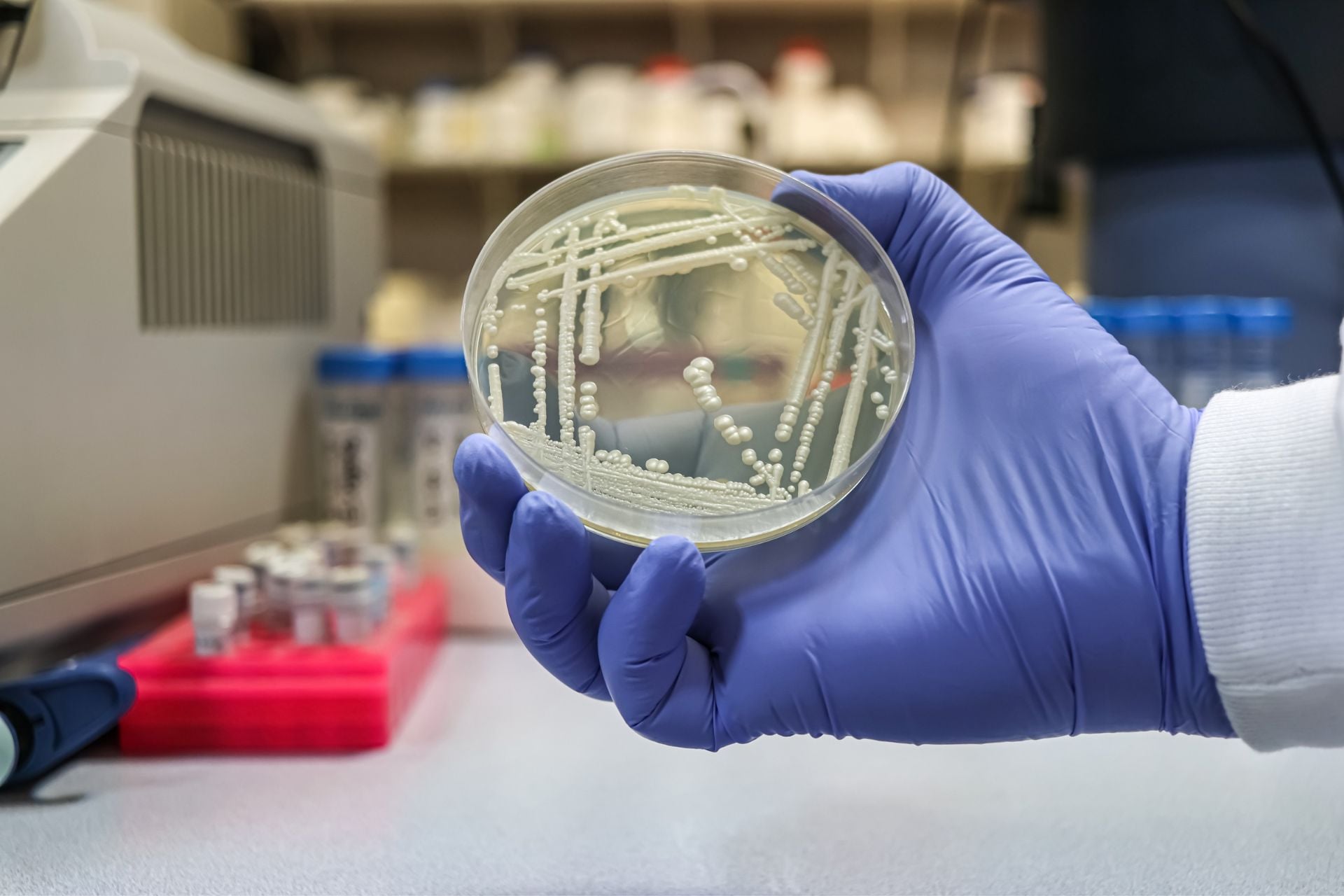
Researchers in Nairobi have verified a Candida auris infection that is unresponsive to all major antifungal drug classes, representing the inaugural confirmed occurrence of a completely pan‑resistant strain in East Africa.
First discovered in Japan in 2009, the yeast has since proliferated across hospitals worldwide and has gained notoriety for bypassing conventional therapies. Its capacity to persist on surfaces and transmit between patients renders it a serious hospital‑acquired danger, particularly in intensive‑care units where vulnerable patients are common.
The Kenyan Medical Research Institute team reports that the patient—a middle‑aged individual hospitalized for a postoperative infection—did not improve after several courses of echinocandins, azoles and polyenes. Testing via broth microdilution and genomic sequencing uncovered mutations linked to resistance in every drug pathway examined, confirming the organism’s pan‑resistance. The incident was reported to the national health authority and relayed to the World Health Organization’s fungal disease surveillance network.
Physicians now confront a therapeutic impasse, with the only remaining alternatives being experimental drugs or untested combination therapies. The hospital has responded by imposing strict isolation measures, intensifying environmental cleaning, and providing contact‑precaution training to curb further transmission. Specialists caution that without new classes of antifungals, such infections could become untreatable, driving up mortality and extending hospital stays.
Health officials state that the Kenyan episode highlights the pressing need for worldwide monitoring of Candida auris and accelerated research into new antifungal agents. The WHO has previously placed drug‑resistant fungi among the top ten public‑health threats, urging countries to bolster laboratory capacity and share resistance information. As the pathogen continues to evolve, the medical field expects that coordinated surveillance and investment in drug development will be essential to stay ahead of this shifting fungal threat.



Comments (0)
Be the first to comment.
Join the discussion