Jeremy Hansen Describes Near‑Disaster as Artemis II Achieves Lunar‑Bound Path
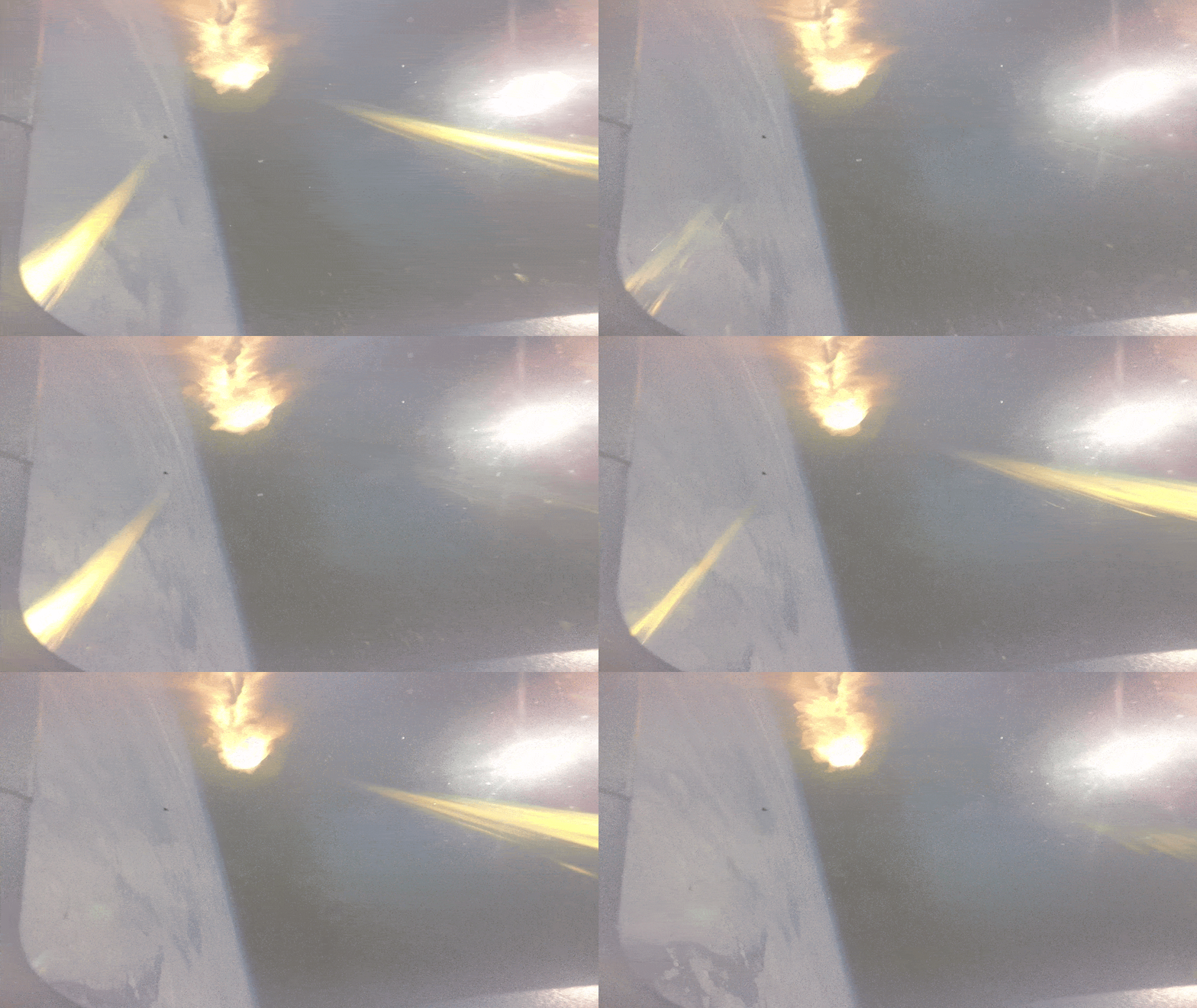
On the ninth day of its historic journey, NASA’s Artemis II crew looked out from the Orion capsule on April 10, 2026 and saw a bright blue Earth, a reminder that the spacecraft was now more than 250,000 miles (400,000 km) away – a distance unmatched by any prior U.S. crewed mission.
Canadian astronaut Jeremy Hansen, one of the four aboard Orion, later recounted a tense moment that had occurred earlier in the flight. Referring to an abrupt onboard anomaly, he said, "Flames soon engulfed us," underscoring the gravity of the event and the crew’s swift actions to stop a fire from spreading.
The episode, not fully disclosed in public briefings, took place while the vehicle was on its way to lunar orbit, a segment that requires meticulous system oversight. Orion’s life‑support and thermal‑control hardware feature multiple redundancies, and the astronauts’ emergency‑procedure training proved essential in containing the danger before it could threaten the mission.
Following the uncrewed success of Artemis I, Artemis II marks NASA’s first crewed venture beyond low‑Earth orbit since the Apollo program. Its chief goals are to verify Orion’s behavior in deep space, evaluate communications, navigation and re‑entry systems, and collect data that will guide the upcoming Artemis III lunar landing.
Hansen’s open account injects a human perspective into the technical achievements, reminding audiences that space travel, despite thorough preparation, still carries inherent risks. As the crew proceeds toward the Moon, mission control will review the incident, apply the lessons learned, and keep safety measures robust for the planned 2027 landing attempt.


Comments (0)
Be the first to comment.
Join the discussion