Japanese Black and Green Rice Varieties May Aid Blood‑Sugar Regulation
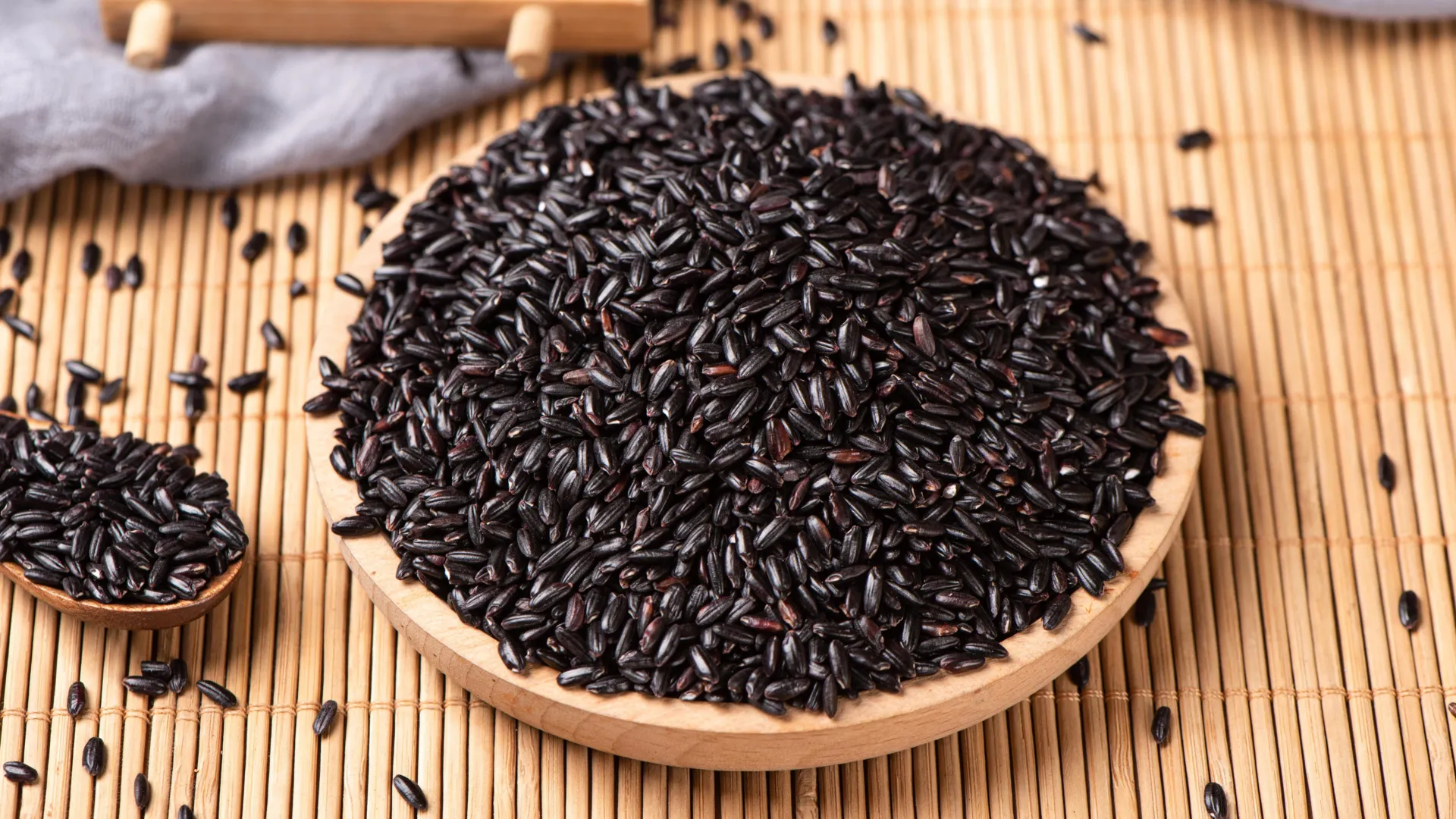
Scientists have found that black and green rice cultivated in Japan possess unique lipid profiles and digest more slowly than standard white rice, a mix that could make them appealing for products targeting blood‑sugar stabilization.
The team examined the chemical composition of the colored grains and uncovered a range of uncommon fatty acids absent from typical rice. These lipids, structurally distinct from the ordinary triglycerides of white rice, seem to affect the grain’s digestion.
In lab experiments, the pigmented rice released glucose into the bloodstream more gradually than white rice. This slower carbohydrate uptake can dampen post‑meal blood‑sugar spikes, a benefit for those managing diabetes or trying to avert metabolic disease.
Although white rice accounts for the majority of global consumption, its high glycemic index has attracted criticism from nutritionists. Earlier research has shown the advantages of whole grains and fiber‑rich foods, but few investigations have looked at rice‑derived fats. These new results add nuance, indicating that grain color may reflect deeper nutritional differences beyond the known antioxidant pigments.
Food producers are already testing the inclusion of black and green rice in noodles, snack items and ready‑to‑eat dishes. The grains’ distinctive taste and vivid hue could satisfy consumer interest in functional foods that are both attractive and health‑focused. Yet the greater expense of growing pigmented rice and the limited supply chain present practical obstacles to mass adoption.
The researchers stress that human studies are required to verify the lab findings and to establish suitable portion sizes. Further work will also examine how cooking techniques influence lipid levels and glycemic impact. Should later studies confirm the advantages, black and green Japanese rice might become a valuable element of dietary approaches aimed at lowering the burden of blood‑sugar‑related illnesses.


Comments (0)
Be the first to comment.
Join the discussion