iPhone Handoff Enables One Number to Move Between Two Phones, Backed by Major Carriers
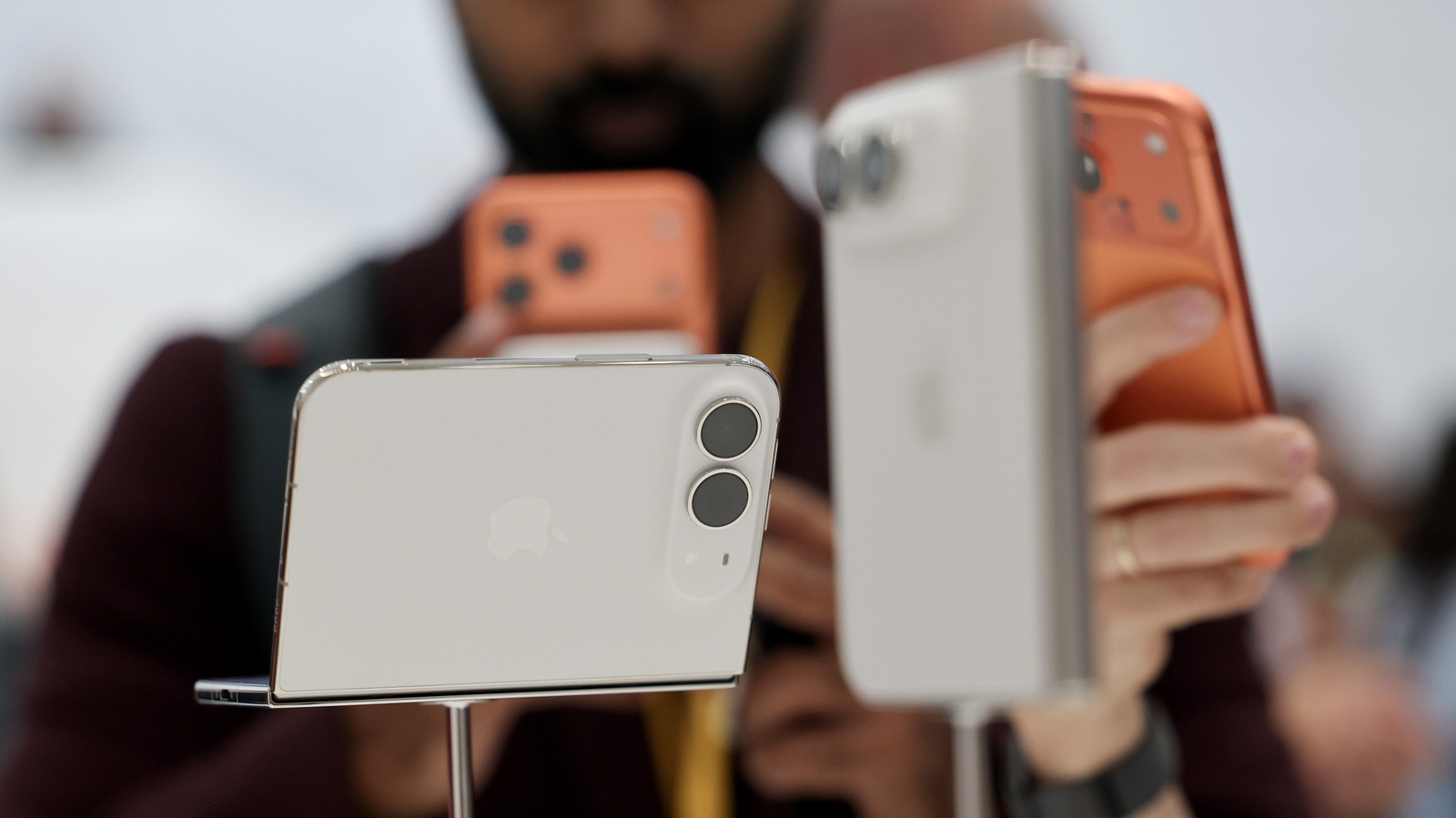
Apple’s Handoff, a component of its Continuity framework, lets a user begin a call, text, email or other task on one iPhone and then continue it effortlessly on a second iPhone, using the identical phone number. This proves handy for anyone who switches between a personal and a work iPhone, removing the need to forward calls or retype messages.
The handoff process creates a brief Bluetooth LE link between the two devices and routes the information over a common Wi‑Fi network. Once an action is started on the first iPhone, iOS generates a handoff token that the second device detects, displaying a banner that permits continuation with a single tap.
Since the mechanism depends on Wi‑Fi and Bluetooth rather than the cellular link, the handoff itself isn’t tied to any carrier. Nevertheless, carriers must support underlying iPhone capabilities such as Wi‑Fi calling, eSIM provisioning and smooth number portability for a truly seamless experience. In the United States, the big carriers—Verizon, AT&T, T‑Mobile and newer eSIM‑first providers—have confirmed they work with Handoff and allow a single mobile number to be assigned to multiple devices via dual‑SIM or eSIM setups.
A comparable situation is unfolding abroad. Major European operators, a number of Asian carriers and an expanding set of Canadian providers have introduced the requisite eSIM and Wi‑Fi calling support, enabling iPhone users in those regions to benefit from Handoff without additional configuration. Smaller carriers lacking eSIM or Wi‑Fi calling may still permit pairing two iPhones, but the handoff may be restricted to data‑only tasks like Safari or Notes.
For consumers the advantage is evident: a business call arriving on a corporate iPhone can be answered on a personal phone that’s nearby, and vice versa, without revealing a personal number to a work contact. Likewise, an email draft begun on one device can be finished on the other, preserving the same cellular link and maintaining conversational continuity.
Apple advises that both iPhones share the same iCloud account, have Bluetooth and Wi‑Fi enabled, and run the latest iOS version to ensure the smoothest handoff. The feature also extends to iPads and Macs that meet these criteria, turning the Apple ecosystem into a unified, fluid communication platform.
Looking forward, analysts anticipate Apple will deepen Handoff’s integration in upcoming iOS updates, possibly adding more third‑party app support and broadening carrier‑specific functions such as VoLTE handoff. As eSIM adoption speeds up and more carriers open their networks to seamless number sharing, the obstacle to using a single number across several devices should shrink further, making Handoff an increasingly attractive tool for both consumers and enterprises.


Comments (0)
Be the first to comment.
Join the discussion