Imported Phones Bring Advanced Features, Yet Compatibility Issues Persist
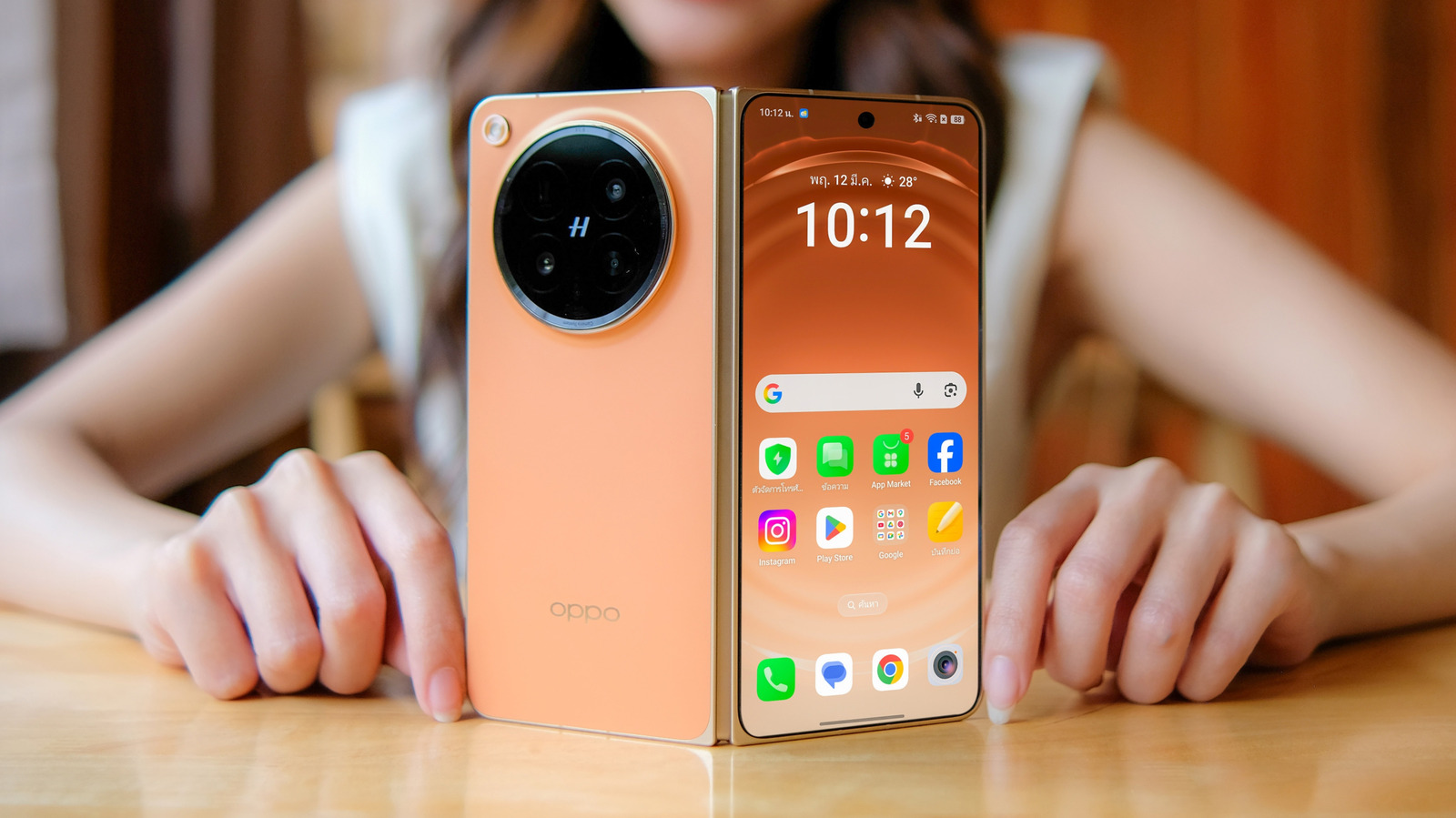
U.S. shoppers are increasingly turning to overseas‑sourced smartphones to obtain cutting‑edge tech at reduced cost, though the approach brings both benefits and significant downsides that prospective buyers need to consider.
A major upside is the ability to obtain specifications that domestic flagships sometimes miss. Models released abroad often introduce state‑of‑the‑art screens, higher refresh rates, sophisticated camera systems, or bigger batteries well ahead of U.S. rollouts. Since a large share of these devices arrive unlocked, users can sidestep carrier‑added bloatware and experience a cleaner Android interface. Moreover, the cost gap can be sizable, particularly when identical hardware commands a higher price tag stateside.
Nevertheless, technical and regulatory obstacles can diminish those advantages. U.S. cellular infrastructure uses a unique assortment of LTE and 5G bands, and a handset designed for European or Asian markets might lack the frequencies needed by carriers like Verizon, AT&T, T‑Mobile or Sprint. Consequently, an imported device may suffer from limited coverage, diminished data rates, or even total failure to support voice and messaging. Furthermore, makers usually issue software updates solely for units sold within the United States, meaning foreign‑market phones may miss critical security patches.
Potential purchasers can reduce compatibility concerns by matching a device’s band roster against the carrier’s official specifications. Enthusiast‑run tools and databases frequently chart which worldwide models function on each U.S. network. Companies such as Samsung, OnePlus and Xiaomi often issue “global” versions that cover most American bands, while smaller or low‑cost brands might ship phones without the required radios. Additionally, certain carriers keep blocklists of devices that fail to satisfy their security criteria, further restricting functionality.
In addition to technical issues, bringing a phone into the country involves legal and monetary factors. The FCC mandates that all devices sold in the U.S. comply with particular emission rules; while personal imports for personal use are typically allowed, reselling without FCC certification can attract fines. Duties, sales tax and potential shipping lags increase the overall expense, and warranties are generally confined to the originating nation, so fixes may necessitate overseas shipping or be denied altogether.
Looking forward, the disparity between worldwide and U.S. phone line‑ups is shrinking as carriers broaden their band selections and makers move toward more universal hardware. Shoppers ready to research can still reap price advantages and early entry to novel features by importing. Yet the choice ought to be based on a thorough evaluation of network compatibility, post‑sale support and regulatory duties, guaranteeing that the thrill of a new handset does not turn into a disappointing, unusable acquisition.

Comments (0)
Be the first to comment.
Join the discussion