How to Choose Sleep, Shutdown or Hibernation for Mini PCs
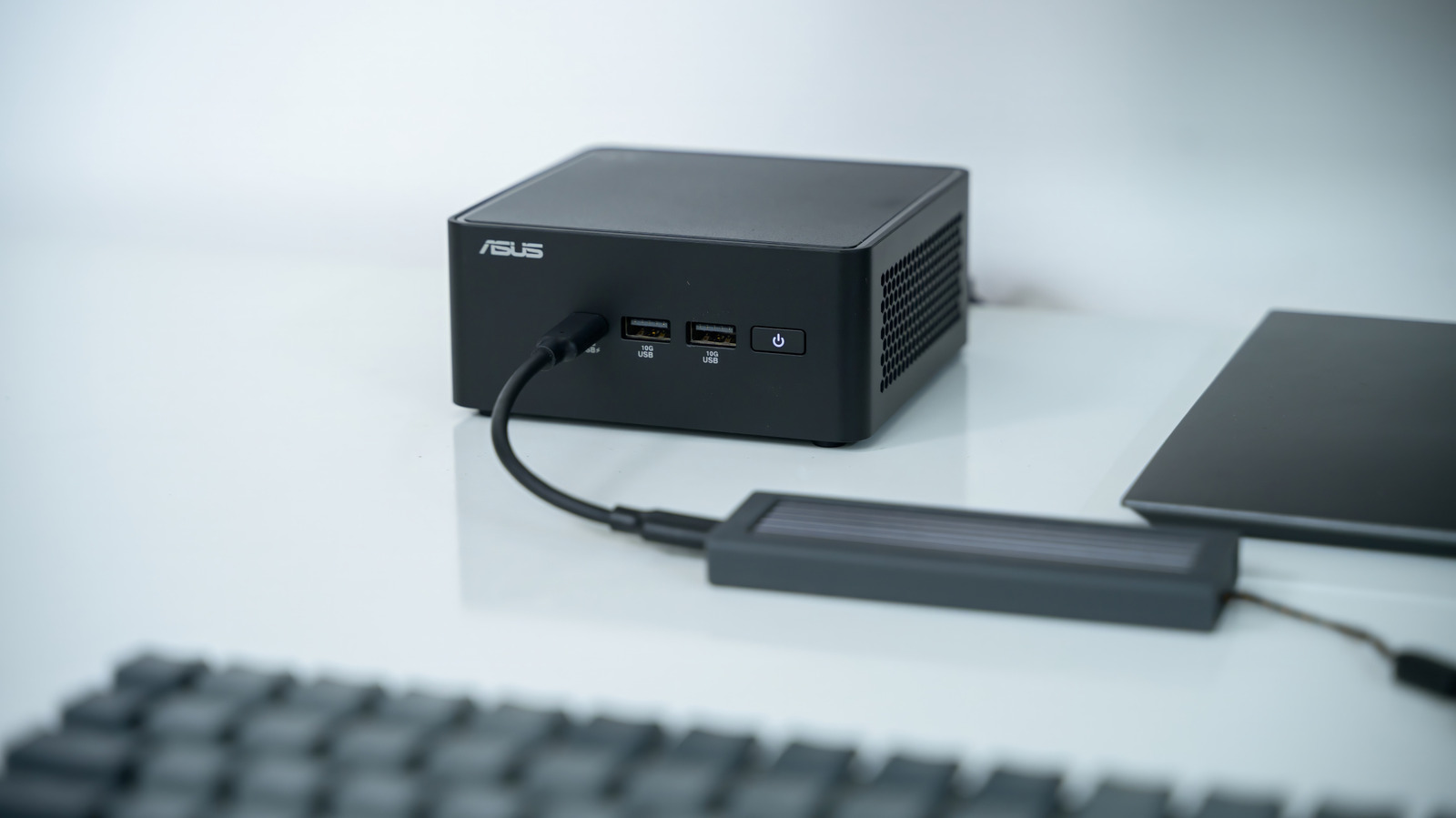
Because of their tiny footprint, mini PCs are now common in cramped workstations and home‑theater setups, yet their small size frequently makes owners wonder which power‑down method is most efficient. Choosing among sleep, shutdown or the relatively obscure hibernation option can influence battery endurance as well as how quickly the system responds.
Sleep places the machine in a low‑power condition: the CPU largely stops working while the RAM stays supplied with electricity. This lets the computer wake in a few seconds, making it suitable for brief pauses or when the user steps away for a short time without closing programs.
Shutdown, on the other hand, cuts power to every component and erases the contents of volatile memory. The next time the device is turned on it performs a complete boot, which takes longer but ensures no leftover processes remain. This mode is ideal for long periods of inactivity, for installing updates that require a reboot, or when the unit is being relocated.
Hibernation sits between the two extremes. Activating it causes the PC to write the current RAM contents to the storage drive and then turn off completely. Upon powering up again, the saved memory image is reloaded, restoring the prior session. Although the resume time exceeds that of sleep, the system draws no power while off, offering a handy way to keep a session without continuous energy consumption.
In practice, sleep works best for gaps of a few minutes up to an hour, particularly when the device stays plugged in. For overnight trips or travel, hibernation provides a secure method to retain work without draining the battery, while a full shutdown is recommended when the PC will be idle for several days or when firmware updates are awaiting installation.
The hardware configuration also matters. Machines equipped with solid‑state drives retrieve hibernation images noticeably faster than those with traditional hard disks, lessening the perceived lag. Moreover, some mini PCs have modest cooling solutions, so leaving them in sleep mode for extended stretches could cause heat buildup if airflow is inadequate.
Both manufacturers and OS developers generally advise tailoring power‑management settings to individual usage patterns. Windows, for instance, includes a “hybrid sleep” feature that merges sleep’s rapid wake‑up with hibernation’s power‑off safety, and many Linux distributions let users adjust the timeout for each state.
Looking forward, new firmware standards together with AI‑driven power‑saving algorithms aim to automate these choices, dynamically selecting the optimal state based on current workload, battery level and ambient temperature.
Until those technologies become mainstream, knowing the trade‑offs among sleep, shutdown and hibernation enables mini‑PC owners to balance convenience, performance and energy efficiency, keeping their compact machines ready when needed and conserving power when not.

Comments (0)
Be the first to comment.
Join the discussion