House Demands Nvidia Chief Jensen Huang Testify on Supposed Chinese Espionage Plot
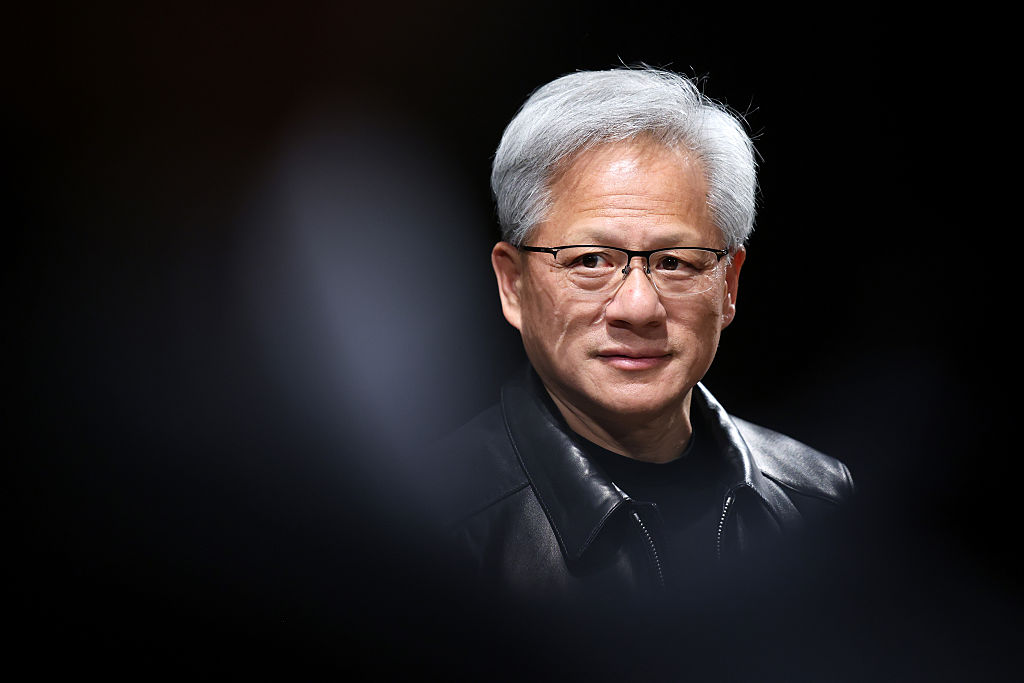
Leading House Republicans have officially asked Nvidia CEO Jensen Huang to testify before congressional panels regarding a reported Chinese spying campaign targeting him.
The demand came from the chairs of the House committees responsible for China policy and national security, indicating bipartisan curiosity about how a prominent tech executive might attract foreign intelligence attention.
Nvidia, which produces the graphics processing units driving much of the global AI boom, sits at the heart of the strategic rivalry between the United States and China. Its processors are vital for data‑center tasks, autonomous‑vehicle projects and other emerging technologies that Washington deems critical to national security.
Unnamed U.S. intelligence sources say a Chinese effort singled out Huang for monitoring and influence, using his role to gather information on Nvidia’s R&D roadmaps and possible supply‑chain weak points. Although the precise tactics of the alleged scheme were not revealed, agencies have cautioned that senior tech executives are becoming increasingly appealing targets for foreign actors pursuing strategic gain.
This congressional probe is part of a wider legislative effort to examine foreign meddling in the U.S. tech sector. Lawmakers have earlier convened hearings on supply‑chain vulnerabilities, export controls and the shipment of advanced semiconductor technology to China. Huang’s testimony may reveal whether Nvidia’s internal security protocols are adequate and what actions the firm might need to adopt to counter future threats.
Nvidia has refused to comment on the intelligence report until a formal information request is made, though it has earlier stressed its dedication to security and adherence to U.S. export rules. If scheduled, the forthcoming hearing is likely to examine the alleged targeting, any possible breaches, and the wider ramifications for American tech companies operating amid geopolitical tension.
Analysts observe that the hearing’s result could shape future policy, from stricter export limits to fresh corporate cybersecurity guidelines. As the United States and China persist in their contest for technological supremacy, the focus on Nvidia’s leadership highlights the expanding overlap between corporate innovation and national‑security issues.


Comments (0)
Be the first to comment.
Join the discussion