Honeybee Stinger Continues Injecting Venom After Bee Departs, Study Finds
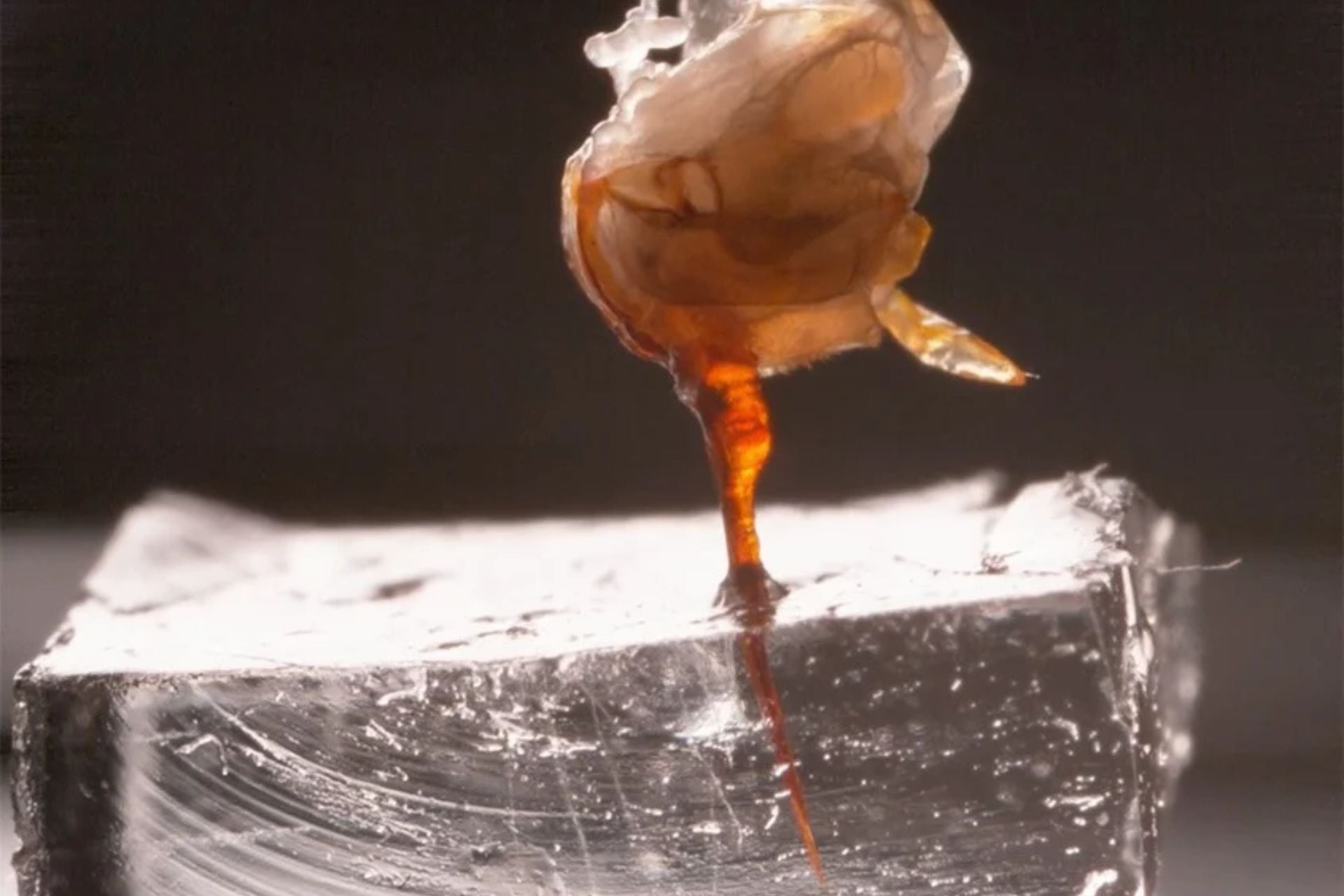
Scientists, employing ultra‑high‑speed cameras, have documented in exceptional detail how a honeybee’s stinger keeps propelling venom after the bee has left its victim. Their footage shows the barbed device staying functional for a few seconds, delivering extra toxin as the insect returns to the hive.
The researchers recorded a living bee striking a prepared surface and then examined the video frame‑by‑frame at reduced speed. Their analysis uncovered a tiny muscular pump attached to a venom reservoir; after the stinger lodges, the pump beats in a regular rhythm, pushing additional fluid through the slim channel. They observed that this pump works independently, powered by stored energy, without needing the bee’s nervous system to remain active.
The result helps explain why certain sting victims feel a heightened pain after the first puncture. Ongoing venom discharge can intensify local swelling and potentially affect how severe allergic responses become. By charting these mechanics, the research paves the way for better antivenom delivery techniques and may inspire micro‑scale medical tools that emulate the bee’s self‑driven injection mechanism.
Bee stings are recognized as defensive behavior, where the barbed stinger functions as a one‑way device that rips from the bee’s abdomen, typically causing its demise. From an evolutionary standpoint, the prolonged injection probably boosts colony defense by releasing a greater amount of alarm pheromones and toxin to ward off threats. The latest data verifies that the danger of a sting stems not only from the first puncture but also from the subsequent venom release.
Upcoming studies intend to measure the exact volume of extra venom expelled during the post‑detachment interval and to investigate if comparable systems appear in other stinging insects. The team anticipates that a richer understanding of this natural micro‑pump will guide pest‑control approaches and biomedical engineering, converting a painful bite into valuable scientific knowledge.



Comments (0)
Be the first to comment.
Join the discussion