Heat‑loving amoeba sets new temperature record for complex organisms
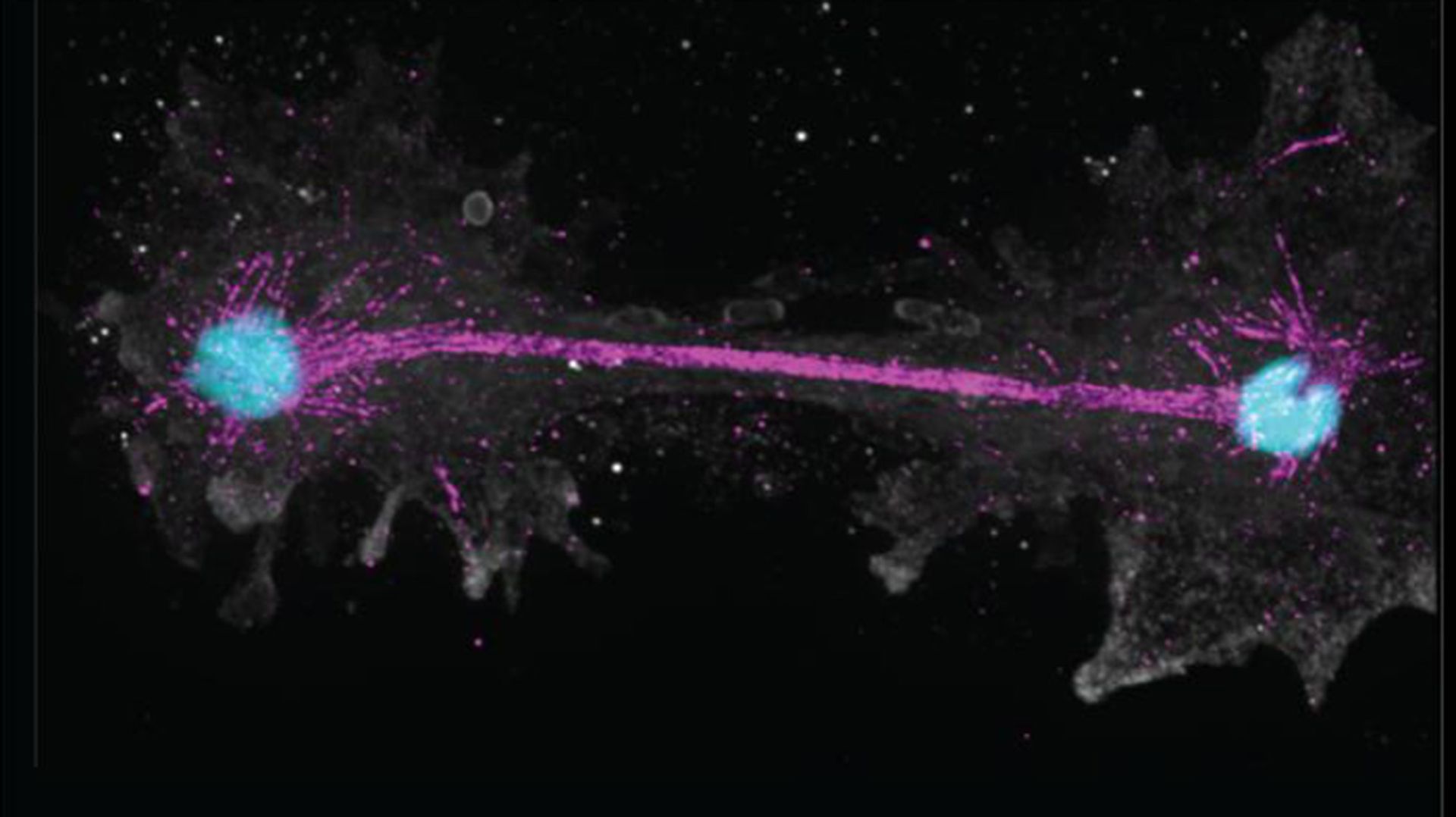
Researchers surveying the geothermal soils of California’s Lassen Volcanic National Park have uncovered a novel amoeba species that flourishes at heat levels once deemed uninhabitable for eukaryotes, setting a fresh record for the maximum temperature at which complex life can persist.
The creature, designated Incendiamoeba cascadensis, was retrieved from scorching, mineral‑laden sediments adjacent to a fumarole amid the park’s high‑elevation volcanic landscape. Its identification contributes a striking addition to the catalog of extremophiles—organisms that thrive where most life cannot.
Before this discovery, the hottest environments documented to host eukaryotic microbes—like select hot springs and hydrothermal vents—peaked in the mid‑40s °C. I. cascadensis showed active metabolism and the ability to reproduce at temperatures above 50 °C, a limit that extends the known thermal frontier for nucleated, complex cells.
Scientists stress that the amoeba’s toughness provides new clues about how cellular systems can remain stable under intense heat stress. Grasping these adaptations may aid wider research, ranging from forecasting ecosystem responses to rising global temperatures to directing extraterrestrial life searches in worlds where extreme heat prevails.
The discovery team, headed by microbiologists from multiple universities, intends to sequence the amoeba’s genome to locate the genetic changes that confer its heat resistance. They also aim to probe its limits in laboratory experiments, checking if it can survive even hotter conditions or cope with the swift temperature swings common in volcanic zones.
Though the discovery highlights nature’s ability to stretch biological boundaries, it also stresses the need to protect geothermal locales that act as natural research stations. As climate change and human influence reshape these delicate habitats, opportunities to examine such singular organisms may shrink, rendering every new find increasingly crucial for deepening our grasp of life's flexibility.


Comments (0)
Be the first to comment.
Join the discussion