Guilfoyle Says AI Crafted White House Donor Texts, Officials Remain Unconvinced
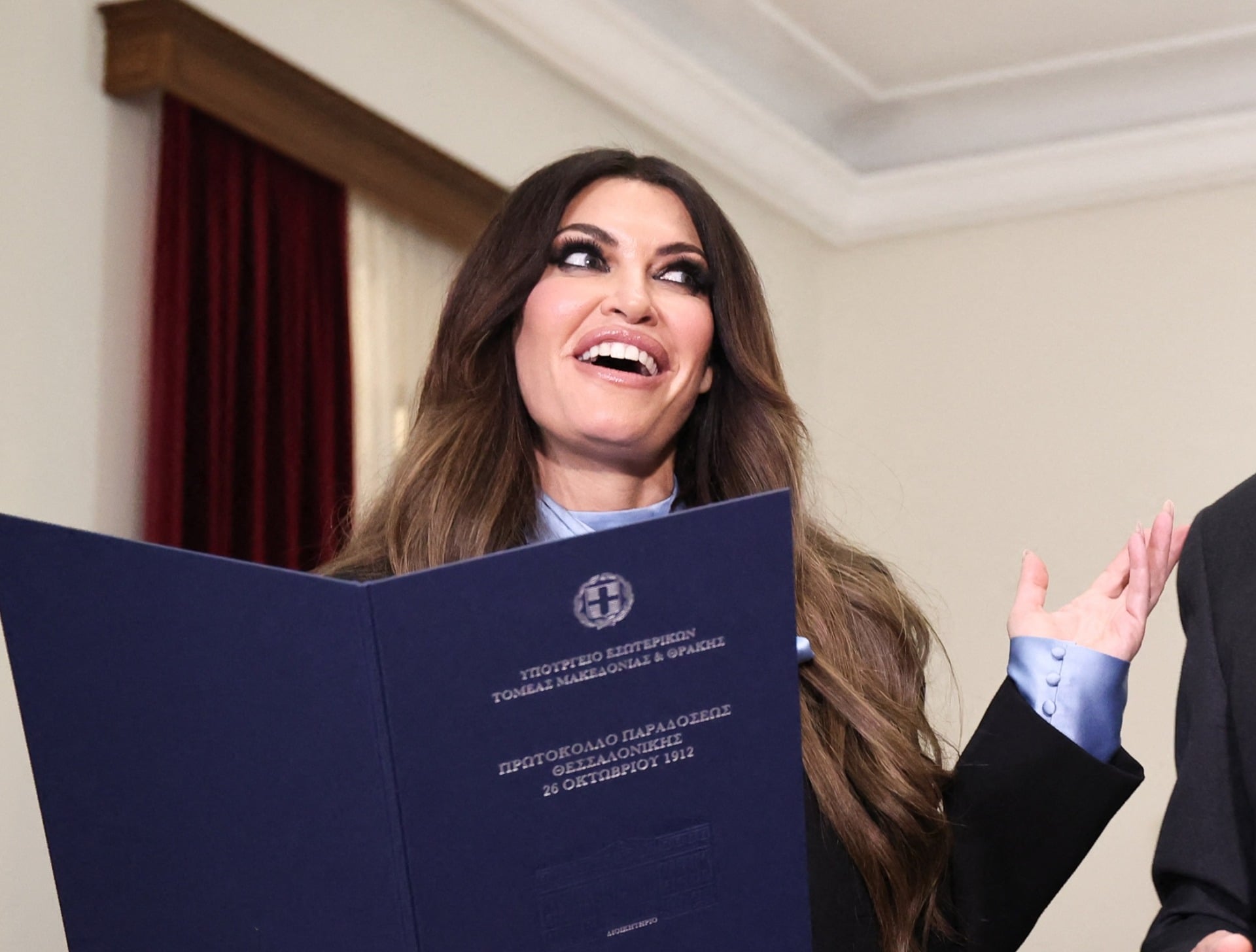
Television pundit and ex‑political strategist Kimberly Guilfoyle informed top White House officials that a batch of donor‑targeted fundraising texts had been generated by artificial intelligence, a assertion that the administration greeted with doubt.
A well‑known Republican operative and regular cable‑news guest, Guilfoyle brought up the matter at a senior‑staff meeting in early October. She contended that the wording and layout of the solicitations aimed at wealthy donors displayed characteristics typical of machine‑crafted text, implying an effort to hide the actual origin of the outreach.
White House staff, however, are said to have voiced skepticism toward the claim. Sources privy to the conversation indicated that officials highlighted the absence of forensic proof tying the messages to any recognized AI system and observed that the wording matched the usual fundraising phrasing the administration has employed lately.
The episode arrives as political fundraising methods face intensified examination and AI tools become increasingly common in communications. Although AI‑produced material is now easier to obtain, specialists warn that separating genuine messages from artificial ones remains difficult without detailed investigation. The dispute underscores the clash between swift tech adoption and the demand for transparency in political outreach.
Guilfoyle’s charge also sparks queries about third‑party donor involvement and how their money is courted. Targeted texts and digital advertisements have proliferated in recent election cycles, leading to demands for more explicit disclosure rules. Should the messages truly have been generated by an algorithm, it would point to a move toward more automated fundraising tactics, which some detractors say could weaken accountability.
The White House, meanwhile, has refrained from releasing an official comment confirming or refuting the details of Guilfoyle’s allegation. Representatives have stressed that the administration still follows established compliance procedures for every donor communication and that any anomalies would be examined under current ethics regulations.
This incident highlights the wider discussion about AI’s impact on political operations. Lawmakers from both parties have proposed legislation to govern AI use in political advertising, yet agreement on effective enforcement remains out of reach. As technology advances, the ability to produce compelling messages at scale may transform the way campaigns interact with supporters.
Analysts point out that the absence of supporting proof could curb the immediate effect of Guilfoyle’s remarks, but the case serves as a reminder that new technology can swiftly become embroiled in partisan fights. Whether the allegation triggers deeper investigation or fades from headlines will hinge on the administration’s readiness to examine its own outreach tactics and on watchdog organizations’ drive to verify the claim.

%20Pro%20102026%20top%20art%20SOURCE%20Amazon.jpg)
Comments (0)
Be the first to comment.
Join the discussion