Guide Shows Best Filaments for Durable, Functional 3D Prints
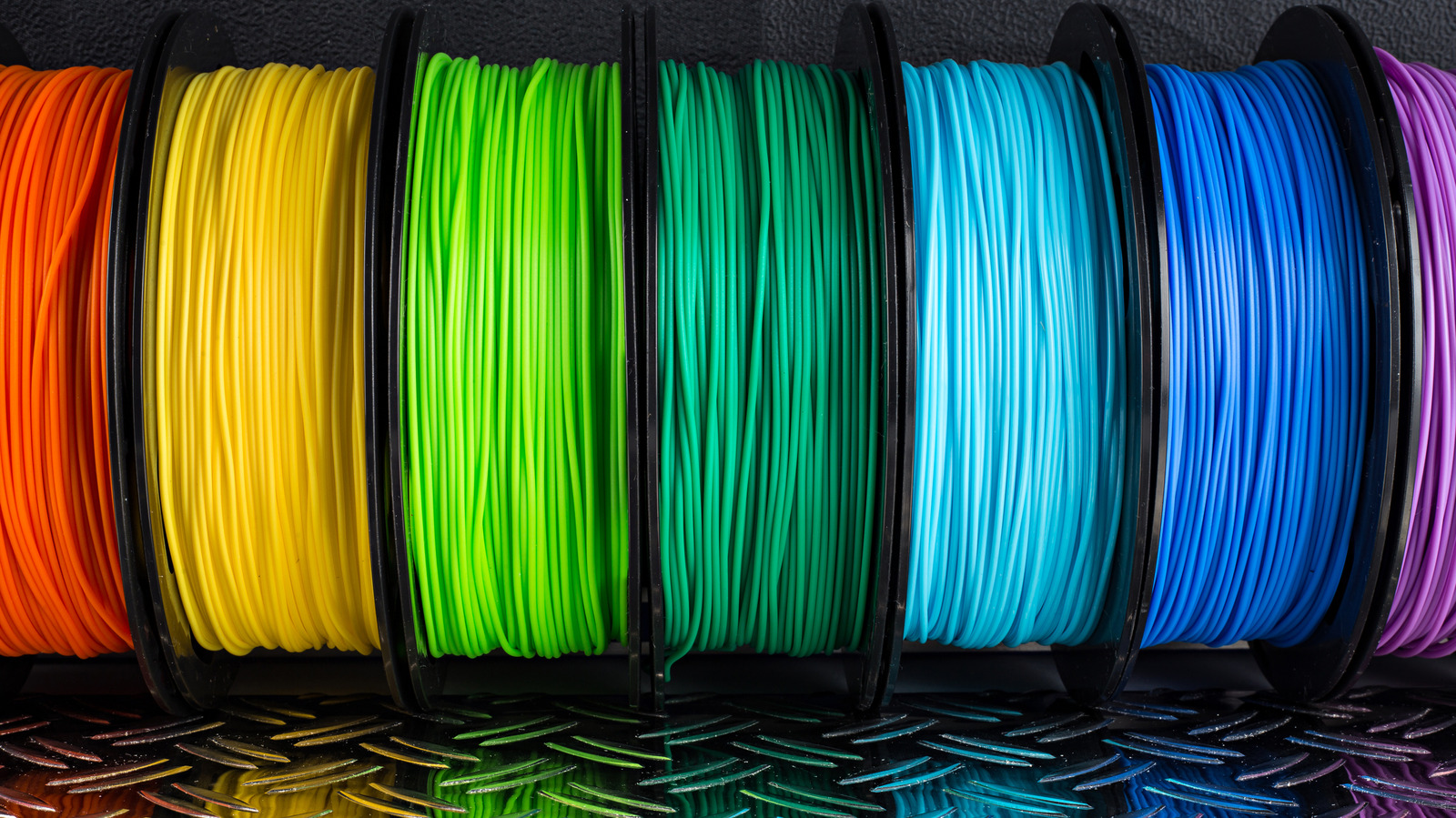
With desktop 3D printers now a common feature in hobby workshops and small‑scale production lines, makers are shifting their focus from merely aesthetic prints to parts that can survive real‑world loads. A recent feature from a leading technology outlet surveyed the toughest filament choices compatible with the printers most hobbyists own, providing a hands‑on guide for anyone needing functional durability.
The report highlighted several polymers that consistently beat standard PLA in tensile strength, impact resistance, and heat‑deflection temperature. Nylon, celebrated for its flexibility and fatigue resistance, stood out as a prime option for moving parts and gear trains. Polycarbonate, although it demands higher extrusion temperatures, was praised for its outstanding rigidity and capacity to tolerate higher service temperatures, making it ideal for structural brackets and enclosures.
Reinforced blends also earned attention. Filaments loaded with carbon‑fiber or glass‑fiber combine a base polymer—usually nylon or PETG—with short fibers that raise stiffness while keeping weight low. According to the article, these composites can achieve strength on par with engineering plastics used in industry, yet remain printable on machines equipped with a hardened steel nozzle and a heated bed.
The piece also outlined practical factors that steer filament choice. High‑temperature materials such as polycarbonate and carbon‑fiber‑reinforced nylon require printers capable of holding a hot end above 260 °C and a well‑controlled build environment to limit warping. By contrast, PETG offers a compromise: tougher than PLA, simpler to print than pure polycarbonate, and moisture‑resistant when stored correctly. Cost, availability, and post‑processing steps—like annealing to boost strength—were likewise noted as considerations hobbyists weigh for durable parts.
Analysts view the guidance as timely amid growing demand for functional prototypes, custom tools, and low‑volume end‑use components produced on desktop machines. By clarifying which filaments provide the highest mechanical performance without needing a full‑scale industrial printer, the article seeks to enable makers to produce more reliable, longer‑lasting prints. As the catalogue of high‑strength filaments widens, the next generation of consumer‑grade printers is expected to feature hotter hot‑ends and sturdier build plates, further closing the gap between hobbyist and professional manufacturing capabilities.



Comments (0)
Be the first to comment.
Join the discussion