Googlebooks Debut Fuels Debate Over Chromebook Relevance
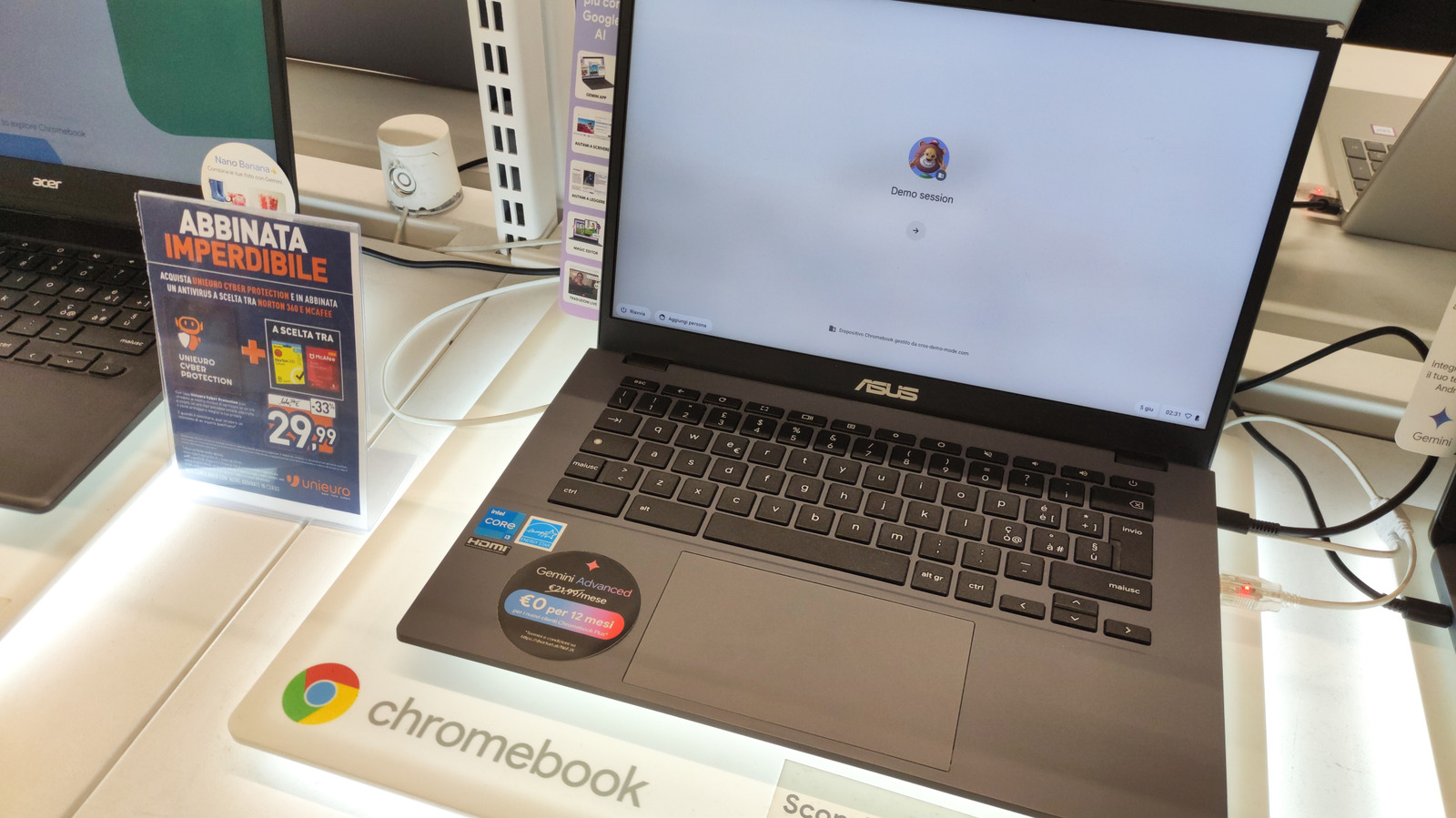
The launch of Googlebooks, a cloud‑focused device lineup touting quicker performance and deeper AI integration, has reignited discussion about whether the long‑standing Chromebook remains a worthwhile buy in 2024.
While still running on Chrome OS, Googlebooks adds native AI utilities, sharper high‑resolution screens and broader peripheral compatibility, marking it as a noticeable upgrade from previous Chromebooks. The machines arrive equipped with speedier CPUs, increased RAM and larger SSD capacities, enabling them to tackle multitasking and creative tasks that once demanded a conventional laptop.
Even with these upgrades, Chromebooks keep a strong presence in several niches. Their attraction stems from low purchase prices, easy management for educational institutions, and a lightweight form factor ideal for basic web browsing, document work and video streaming. Many school districts continue to favor Chromebooks because the primary need is a dependable portal to Google Workspace rather than top‑tier processing power.
For shoppers comparing options, the choice usually hinges on budget and intended usage. Googlebooks carries a higher price tag that mirrors its enhanced hardware, whereas Chromebooks are still offered by numerous manufacturers at entry‑level costs. Users whose workflow revolves around web‑based apps, cloud storage and occasional offline tasks may find the older models adequate, while power users seeking more demanding web applications or local software stand to gain from the newer specifications.
This transition also reverberates through the wider laptop arena. As Google injects more sophisticated features into its ecosystem, rivals feel pressure to match the value proposition. At the same time, the ongoing production of Chromebooks indicates continued demand for affordable, secure, and easily managed devices, particularly in markets where price is a dominant factor.
Looking forward, analysts anticipate Google will continue polishing the Googlebooks series with periodic updates, while Chromebooks are expected to receive incremental hardware tweaks and tighter Android app integration. Prospective buyers should evaluate their workflow needs, the longevity of software support, and total cost of ownership before deciding which platform best fits their requirements.


Comments (0)
Be the first to comment.
Join the discussion