Google Home Speakers Use More Data Than Expected, Users Say
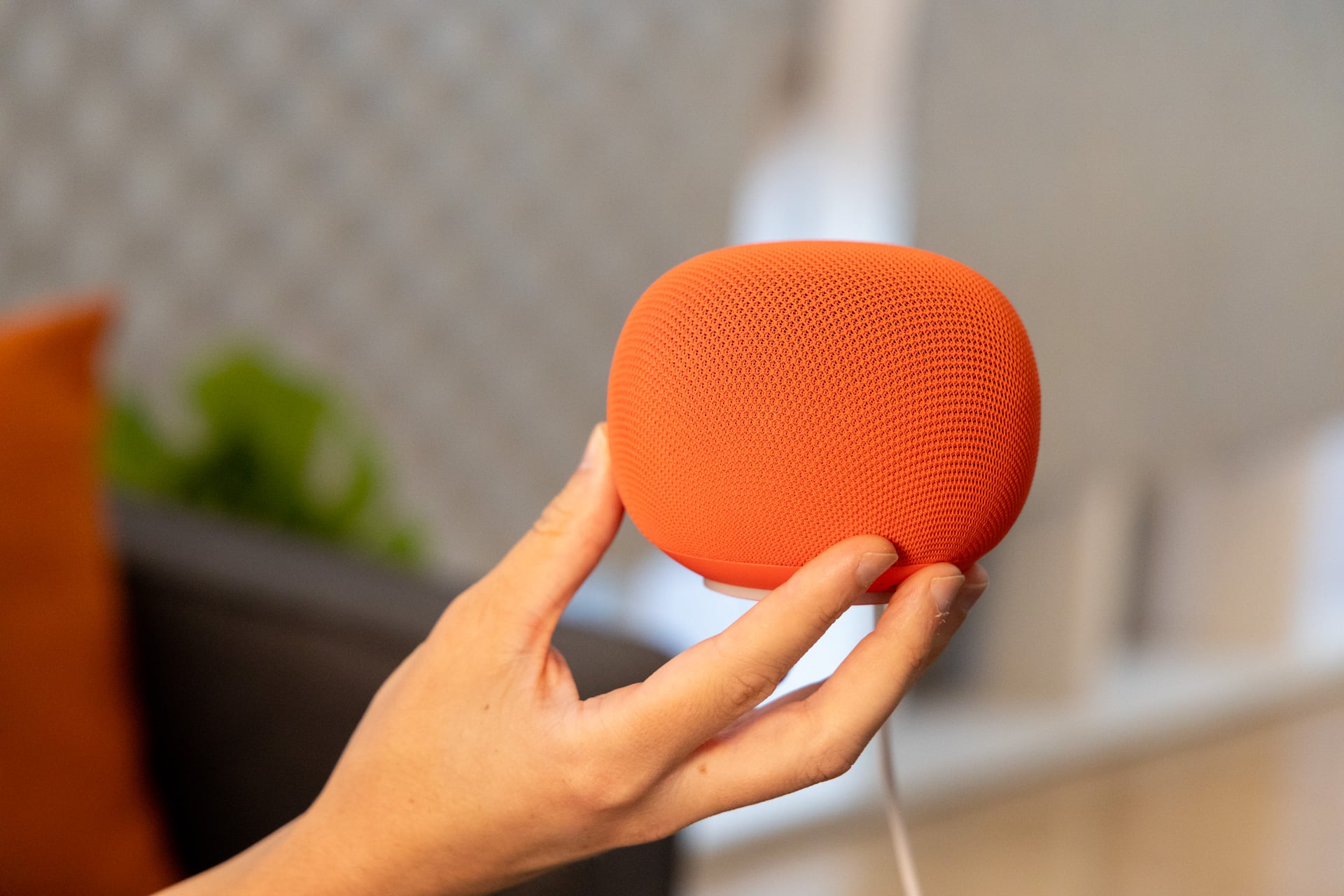
Owners of Google Home smart speakers have started noting that the gadgets consume far more internet bandwidth than anticipated, raising worries for households on limited data plans. The problem, first reported by a well‑known tech publication, indicates that even a single speaker can produce a noticeable amount of traffic, particularly when it remains on continuously.
Google Home units depend on an always‑on connection to interpret voice commands, stream music, provide news briefings, and obtain software updates. Though these capabilities are central to the user experience, they also entail periodic data exchanges that can accumulate over weeks and months. For many users, the aggregate effect shows up as an unwelcome surprise on monthly broadband bills.
Specialists note that background activities—such as automatic firmware upgrades, cloud‑based language model refreshes, and routine health checks—continue even when the speaker seems idle. Because the traffic is encrypted and transmitted in short bursts, it can be hard for users to pinpoint the source without sophisticated monitoring tools.
Google has not published exact numbers on average data use across its Home range, but its support pages recommend that users examine their router’s usage stats or the Google Home app for a rough gauge. Some network admins advise setting up a dedicated VLAN or applying bandwidth‑limiting rules to separate smart speakers from other critical devices.
The increasing awareness of data consumption among smart‑home fans mirrors a wider scrutiny of always‑connected devices. As broadband providers more often roll out capped plans, shoppers are likely to press manufacturers for clearer information on the network impact of their products. Meanwhile, owners of Google Home speakers should keep an eye on usage, tweak settings like automatic updates, and consider scheduling downtime periods to curb data use.



Comments (0)
Be the first to comment.
Join the discussion