Global Trade Worries Rise as El Niño Prompts Panama Canal to Limit Vessel Transits
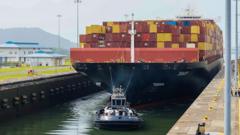
The Panama Canal, a vital corridor for international commerce, is introducing limits on the daily volume of vessels allowed to cross its waters. This measure, announced by the canal's management, is a direct result of diminished rainfall in the area, a drought driven by the active El Niño climate cycle.
Water levels have dropped sharply in the freshwater reservoirs that supply the canal's complex lock mechanism, which is required to lift and lower ships traveling between the Pacific and Atlantic oceans. This shortage of water directly compromises the canal's daily operations, forcing authorities to scale back transits in order to save the essential resource.
These fresh constraints threaten the maritime sector with extended vessel delays, the possible redirection of freight, and elevated shipping expenses. Because the Panama Canal is central to global logistics—linking major economies and enabling the transit of everything from manufactured products to energy supplies—any bottleneck can trigger a chain reaction across global supply networks.
Inaugurated more than a hundred years ago, the Panama Canal functions through a sequence of locks dependent on fresh water drawn from Gatun and Alajuela lakes. These artificial reservoirs rely on seasonal rains to refill. Each time a vessel navigates the canal, massive quantities of water drain into the ocean during the lock operations, making steady precipitation vital to keep the route functioning.
El Niño is an organic climate pattern defined by elevated sea surface temperatures across the central and eastern equatorial Pacific. This warming shifts global atmospheric currents, disrupting weather systems worldwide and frequently bringing arid conditions to certain areas, such as parts of Central America.
Although the waterway has navigated dry spells before, the present El Niño highlights how susceptible crucial global infrastructure has become to shifting climate patterns. The enduring consequences for global shipping lanes, alongside the potential necessity for superior water conservation methods or alternative routing, continue to worry industry stakeholders.
This action by the canal's operator underscores the fragile equilibrium between ecological factors and the needs of international trade. As global climate trends shift, crucial maritime pathways like the Panama Canal have to adjust to safeguard the ongoing movement of commodities that sustain the global market.


Comments (0)
Be the first to comment.
Join the discussion