Give Your Outdated TV a Second Chance: Options for Reuse and Recycling
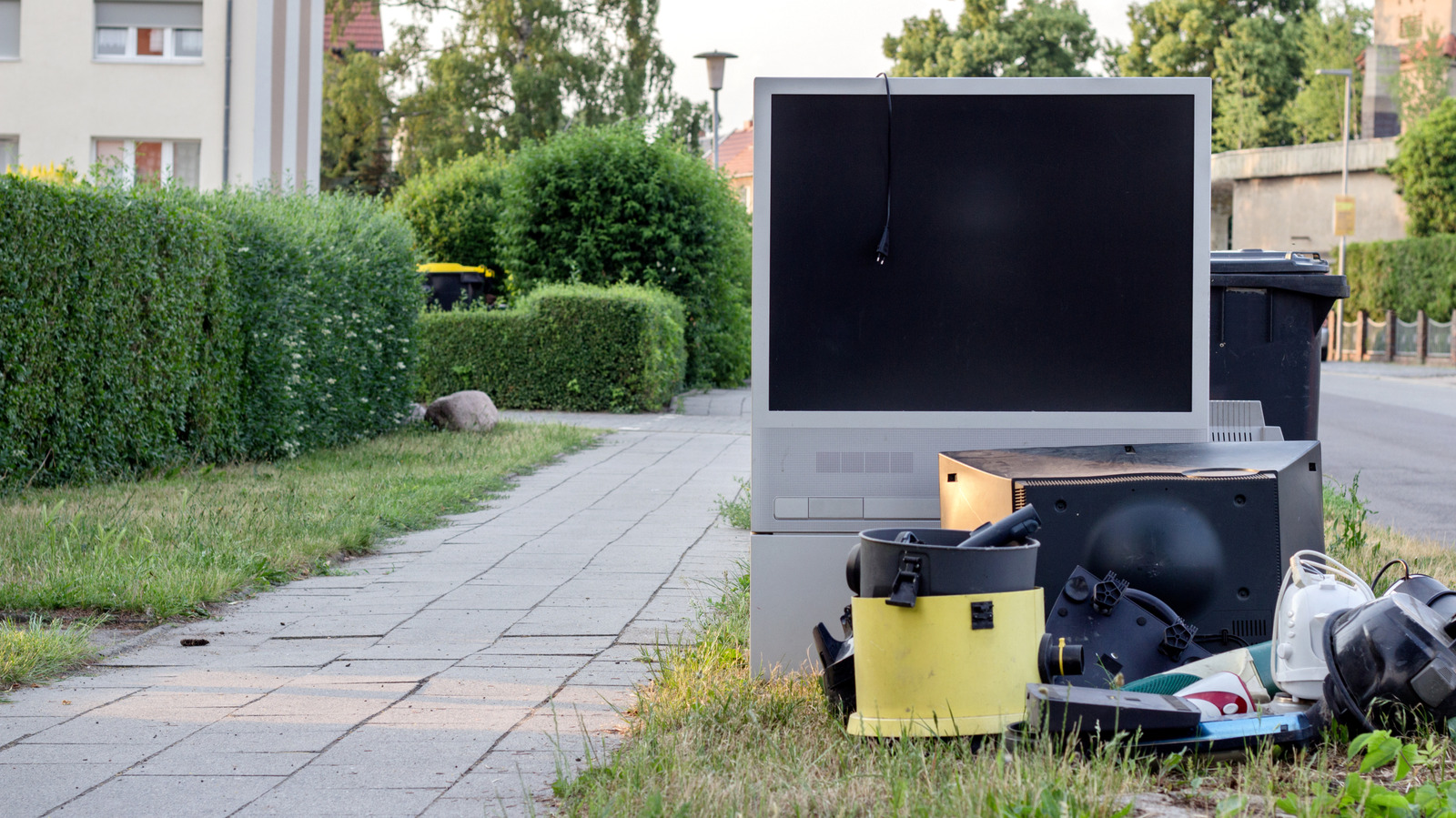
When families replace their bulky, older screens with a newer, thinner model, the displaced TV frequently lands in a landfill, contributing to the expanding tide of e‑waste. Environmental organizations and consumer watchdogs are calling on owners to explore other options—donation, resale, or certified recycling—prior to throwing away their former sets.
Today's flat‑panel televisions house precious materials such as copper, aluminum and rare‑earth metals that can be recovered and fed back into production streams. If these units are tossed with regular garbage, those metals disappear and hazardous substances—such as lead‑based solder and brominated flame retardants—can leach into soil and water. City‑run recycling schemes, which increasingly take large appliances, offer a safer route to reclaim these resources.
In addition to extracting materials, a number of nonprofits welcome working TVs for redistribution to schools, community hubs and low‑income households. Groups like the National Alliance for Media Access and nearby shelters note a consistent need for functional sets that can aid education and recreation in underserved communities. When a television can no longer be used for viewing, its frame can be transformed into furniture, artwork, or do‑it‑yourself home‑theater projects, prolonging its usefulness and cutting waste.
Rules on electronic waste differ across locales, yet numerous areas now mandate that retailers take back trade‑ins or offer complimentary pick‑up for bulky electronics. In the U.S., the EPA’s Responsible Recycling (R2) certification directs accredited recyclers on the safe handling of hazardous parts. Shoppers can find nearby R2‑certified centers via online listings or by reaching out to local waste‑management offices.
Specialists recommend that, prior to labeling a TV as obsolete, owners evaluate its state, look into donation sites such as Freecycle or neighborhood classifieds, and review city rules for e‑waste collection. By following these actions, families can redirect considerable material away from landfills, aid community demands, and foster a circular economy that mitigates the ecological footprint of fast‑paced tech upgrades.



Comments (0)
Be the first to comment.
Join the discussion