Giant 66‑Pound Rodent Unearthed in Thailand, Dating Back 34 Million Years
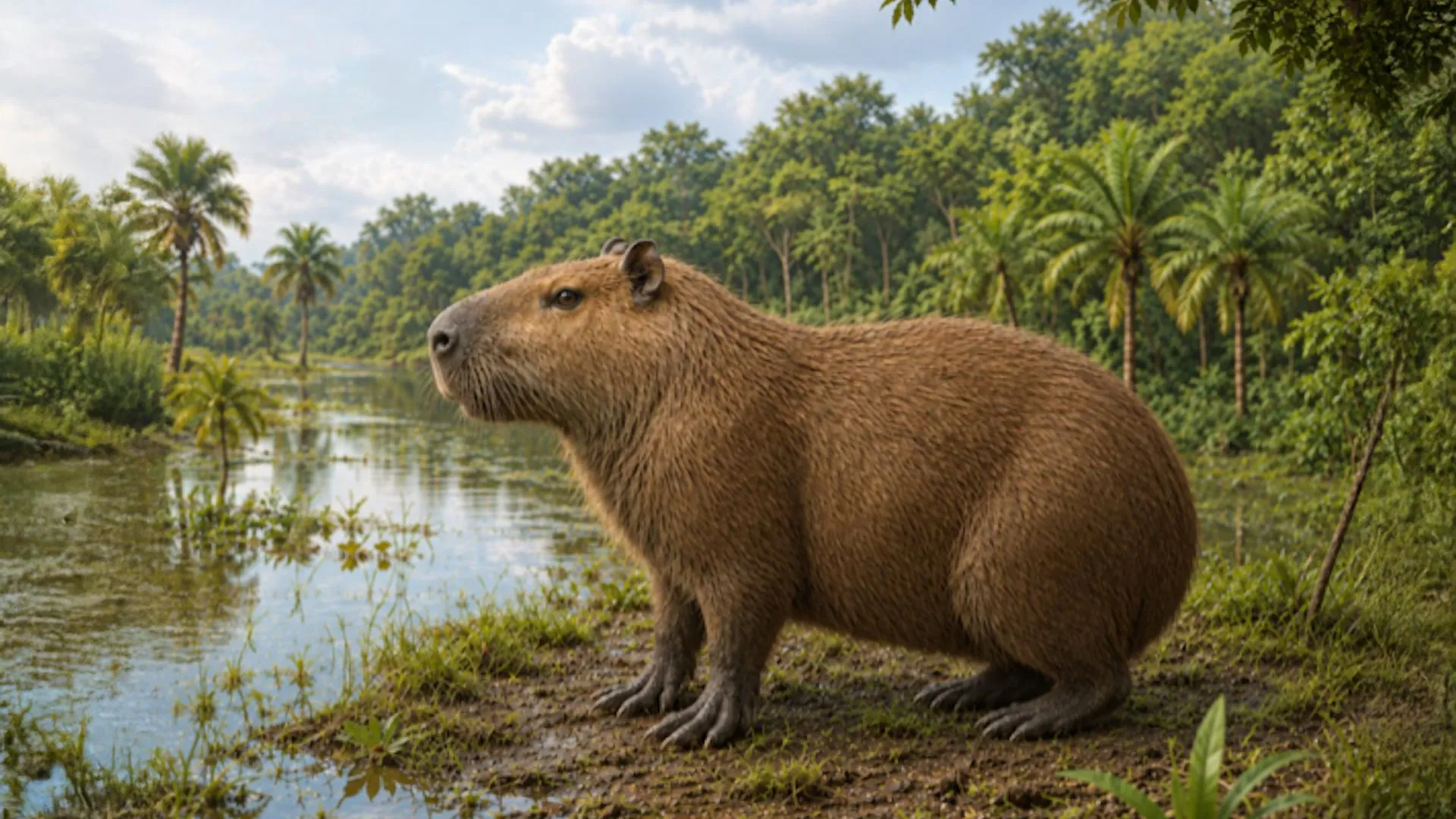
Researchers have reported the finding of an unusually large rodent that inhabited present‑day Thailand roughly 34 million years ago, extending the known timeline for the rise of big‑bodied rodents. The animal, named Yakamys sirindhornae, is estimated to have tipped the scales at about 30 kilograms (approximately 66 pounds), putting it in the size range of a small modern dog.
Recovered from Oligocene‑era sedimentary deposits, the material includes a remarkably intact skull together with several jaw pieces, enabling scientists to reconstruct its overall shape. The tooth arrangement and skeletal features point to a plant‑eating lifestyle, akin to today’s capybaras and other sizable rodents, indicating that lush vegetation could sustain such large mammals early in the epoch.
Before this discovery, paleontologists generally believed that rodents stayed relatively diminutive throughout most of their evolutionary past, with truly gigantic forms appearing only in the later Pleistocene. The Thai specimen overturns that notion, showing that the lineage leading to today’s large rodents had already branched out and achieved substantial mass during the Oligocene, a time marked by cooling temperatures and expanding open landscapes across Asia.
Although the precise ecological role of Yakamys sirindhornae is still being investigated, its considerable size suggests it functioned as a primary herbivore capable of handling tough plant matter. The find also contributes to a growing catalog of extraordinary megafauna from Southeast Asia, a region that has produced fossils of giant pangolins, massive marsupials and other extinct mammals, underscoring its significance for tracing mammalian evolution.
Scientists note that the weight calculation relies on scaling relationships derived from living rodents and could be adjusted as more specimens come to light. Still, the discovery highlights the promise of uncovering further details about ancient ecosystems in the area, especially as additional fossil sites are examined with modern excavation methods.
The recognition of Yakamys sirindhornae not only broadens the known variety of prehistoric rodents but also calls for a re‑evaluation of how swiftly mammals responded to shifting climates and habitats deep in geological time. Ongoing research will aim to position the species within a wider phylogenetic context, clarify its connections to other extinct and living rodents, and investigate the drivers behind the evolution of such large body sizes so early in the mammalian record.


Comments (0)
Be the first to comment.
Join the discussion