Gabon Coast Guard Captures Three Illegal Trawlers in Reserve, Underscoring Satellite Monitoring Need
In July 2026, a Gabonese coast‑guard ship boarded three industrial trawlers that were fishing inside the Grand Sud Marine Reserve, a seldom‑seen enforcement move within one of the largest protected areas in West and Central Africa. All three vessels lacked legitimate fishing licences, breaching the prohibition on industrial trawling throughout the reserve’s waters.
Covering thousands of square kilometres of Gabon's shoreline, the Grand Sud Reserve was established to protect vital habitats for numerous marine organisms, such as migratory fish and sea turtles. Yet, even with the explicit ban, recent studies indicate that illegal, unreported, and unregulated (IUU) fishing persists throughout the area, fueled by strong seafood demand and scarce on‑the‑ground monitoring resources.
Officials note that the confiscation highlights how hard it is to police such an expansive zone using only conventional patrol boats. Although the three trawlers were captured, authorities suspect numerous others remain hidden, taking advantage of surveillance gaps and the absence of real‑time vessel tracking. The episode has revived demands for sophisticated monitoring solutions, especially satellite‑based platforms capable of detecting dubious activity over remote sea areas.
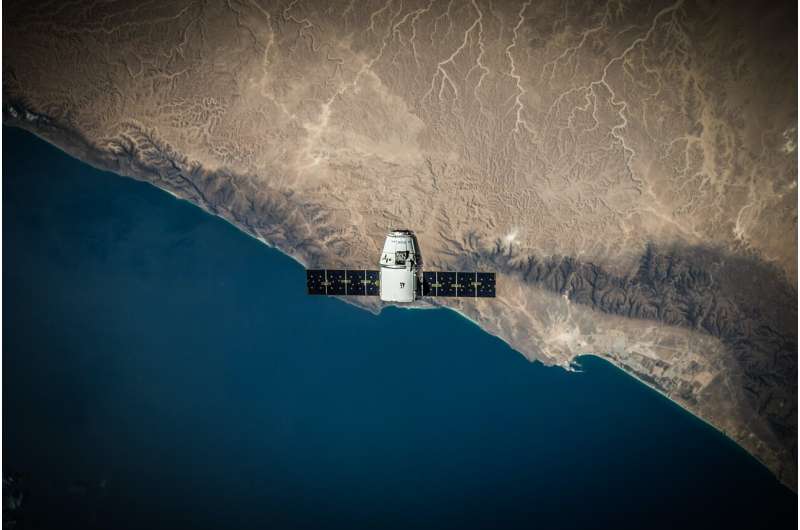
International NGOs together with regional fisheries organisations have pushed for the launch of a satellite monitoring system that merges automatic identification system (AIS) data with high‑resolution imagery to locate illegal trawling almost instantly. Supporters claim the tool could vastly shorten response times, allow focused patrols, and supply clear proof for prosecuting violators. Detractors, however, warn that satellite information alone is insufficient unless it is backed by strong legal structures and adequate enforcement capacity.
While Gabon’s maritime officials assess the promise of satellite surveillance, the July case provides a concrete illustration of the hurdles and prospects facing West and Central African states. Enhancing detection tools could safeguard the biodiversity of areas such as the Grand Sud Reserve and bolster sustainable fisheries that underpin local livelihoods. Upcoming actions are expected to include pilot schemes, capacity‑building for coastal agencies, and regional collaboration to exchange data and best practices, all intended to stem the surge of illegal fishing endangering the continent’s marine ecosystems.


Comments (0)
Be the first to comment.
Join the discussion