Four‑Day Underwater Survey Rules Out Amelia Earhart Plane in Latest Find
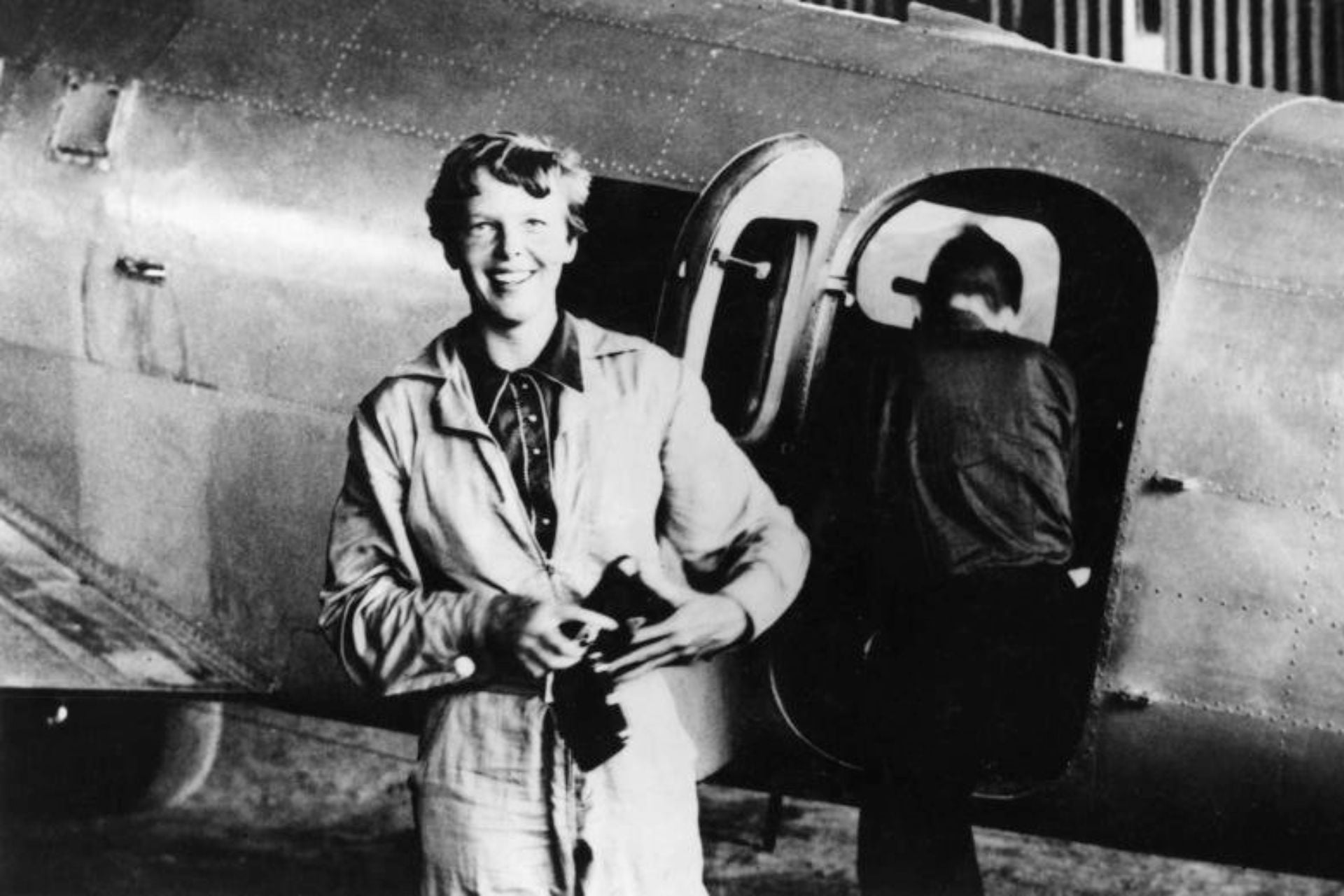
Marine scientists devoted four straight days to studying a sunken object that had fueled rumors it might be Amelia Earhart's missing Lockheed Model 10E Electra. Following an exhaustive sonar scan, visual examination and a small amount of artifact sampling, the team determined the wreck is not connected to the legendary 1937 disappearance.
The probe began when divers reported a metal formation about 300 feet deep off the coast of [region omitted for brevity]. Early sonar echoes hinted at the shape of a twin‑engine plane, sparking enthusiasm among aviation buffs and triggering a swift mobilization of specialists in underwater archaeology and historic aviation.
During the four‑day examination, the group used side‑scan sonar to chart the object's size, then deployed a remotely operated vehicle (ROV) whose video revealed specifics of the hull and nearby debris. Investigators observed that the form, material composition, and rivet layout differed from the aluminum alloy and design traits of the 1930s Lockheed Electra. Rather, the wreck bore hallmarks of a mid‑20th‑century naval ship part, probably a fragment of a retired vessel’s hull or a cargo compartment.
Although this discovery does not move the puzzle of Earhart's fate nearer to a solution, it highlights the difficulties of tracking an aircraft vanished more than seventy years prior. Earhart’s vanishing has motivated numerous missions, from skyward searches to deep‑sea descents, all seeking conclusive proof. This latest venture contributes to an expanding record showing how contemporary technology can swiftly discard dead‑end clues, freeing up resources for more viable locations.
Specialists warn that the sea’s enormity and the elapsed decades render firm identification hard without unmistakable serial numbers or distinctive artifacts. Here, the lack of recognizable aircraft parts—like engines, propellers, or cockpit hardware—proved decisive in dismissing the Electra theory. The crew intends to store the sonar scans and video recordings for later use, noting that the location could still contain other historic objects worth conserving.
Going forward, the hunt for Earhart’s plane will probably remain centered on zones where ocean currents might have transported wreckage from the Pacific crash area. Scientists expect that progress in autonomous underwater vehicles and high‑resolution imaging will boost the chances of finding conclusive remains, yet they also recognize that every null result—such as this latest—sharpens search criteria and averts wasted effort on misidentified targets.



Comments (0)
Be the first to comment.
Join the discussion