Fossil Capybara Tooth Signals Past Wet Period in Atacama Desert
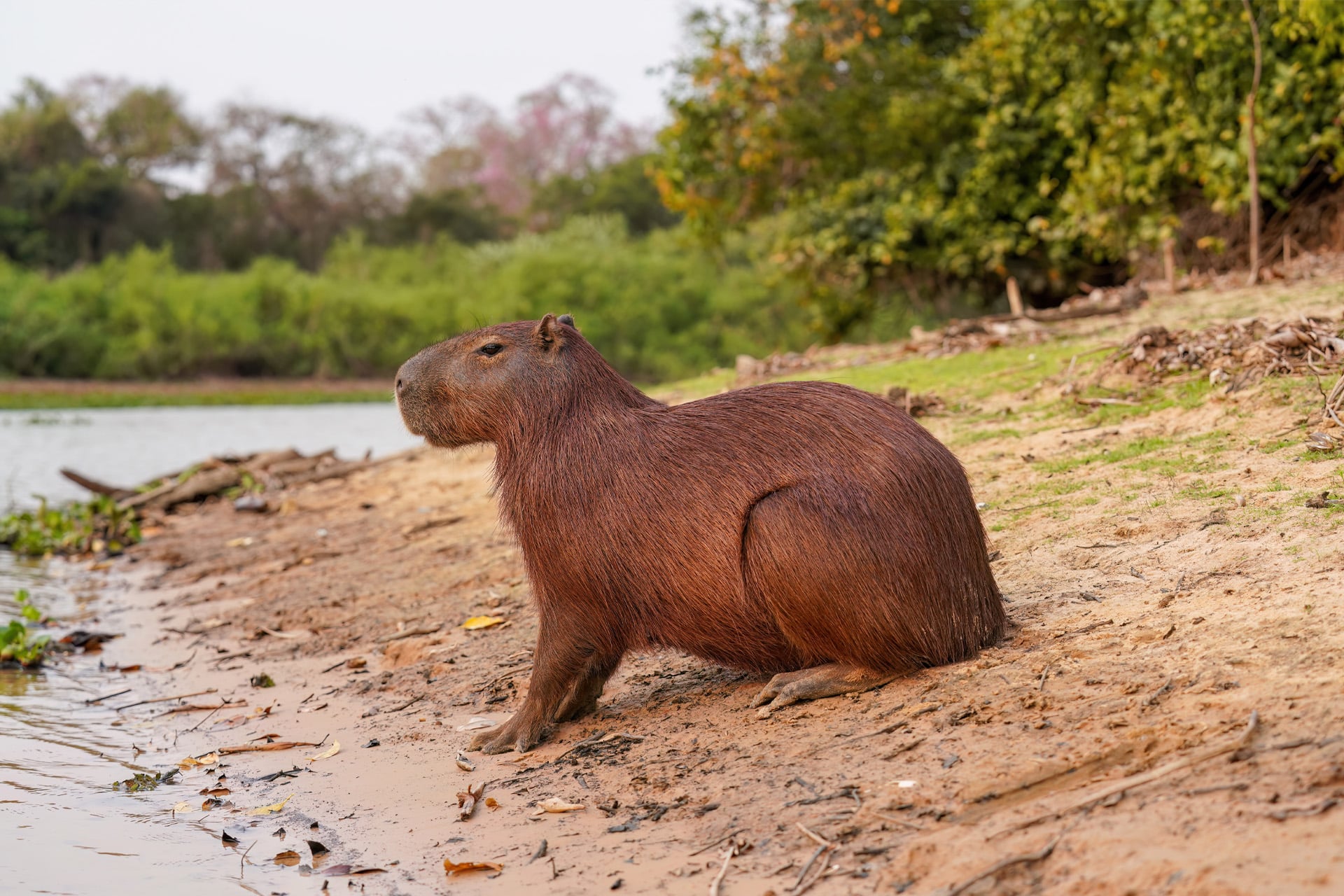
The discovery of a single fossilized capybara tooth in Chile's Atacama Desert is prompting scientists to revise their view of the region's climate history, indicating that the world‑renowned dry basin once experienced markedly wetter conditions.
Capybaras, the planet's largest rodents, are intimately linked to water‑rich settings such as riverbanks, marshes and floodplains. Uncovering a tooth from this semi‑aquatic species deep within a landscape now celebrated for its extreme aridity implies that the desert once hosted ecosystems capable of supporting such animals.
Long regarded as the Earth's oldest non‑polar desert, the Atacama has served as a reference point for hyper‑arid research. Traditional reconstructions have depicted the basin as essentially barren for tens of thousands of years, punctuated only by brief, sporadic humid episodes. This new fossil evidence contests that picture by offering a concrete biological indicator of prolonged moisture.
Scientists located the tooth in sedimentary strata that stratigraphic work dates to the late Pleistocene epoch. The encasing matrix holds mineral signatures and pollen assemblages that point to periodic lake development and riparian vegetation, reinforcing the notion of a more humid environment than previously assumed.
While the find does not overturn the entire Atacama climate record, it supplies a vital data point that may trigger a reassessment of regional paleo‑environmental models. The presence of larger, water‑dependent mammals suggests that precipitation, groundwater supplies, or surface water bodies were considerably greater during that interval.
Upcoming field campaigns will seek additional faunal specimens and aim to sharpen the deposit's age using radiometric techniques. Merging these results with existing ice‑core, lake‑sediment and speleothem records could clarify the timing, length and drivers of the desert's wet phases, offering broader insight into how extreme environments react to global climate fluctuations.



Comments (0)
Be the first to comment.
Join the discussion