Federal Agencies Ban Chinese AI Model DeepSeek Citing Data Security Risks
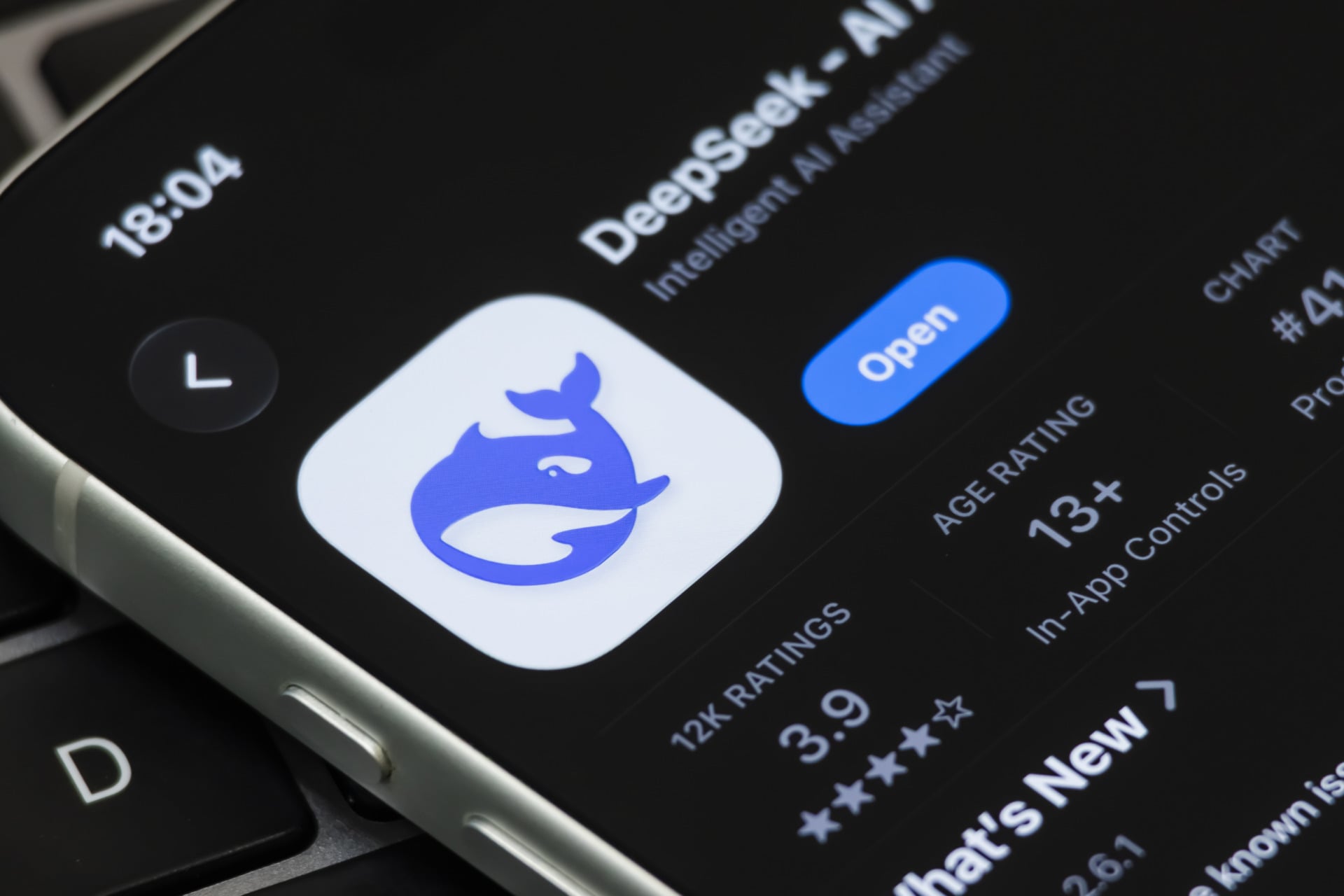
The Biden administration declared a comprehensive ban on using the artificial‑intelligence platform DeepSeek throughout every federal department, warning that the system might channel sensitive data to the Chinese government.
Developed by a Beijing‑based company, DeepSeek is a large‑language model noted for its sophisticated conversational capabilities. Yet officials cautioned that its design permits data to be sent back to servers in China, sparking concerns that classified or personally identifiable information in U.S. agencies could be exposed.
This prohibition aligns with a wider trend of examining Chinese‑origin technologies, such as limits on specific facial‑recognition systems, cloud services, and earlier bans on AI models from other companies. The move mirrors an increasing agreement among intelligence agencies that AI platforms under foreign control present a distinct espionage threat, particularly as they become embedded in everyday government operations.
According to the directive, agencies are required to stop all current use of DeepSeek and eliminate the model from internal systems within a 30‑day period. The rule also prohibits purchasing the software for upcoming projects, and procurement officials are told to confirm the origin of any AI tools before acquisition.
Lawmakers from both parties have voiced backing for stricter regulation of foreign AI, contending that the swift uptake of generative models exceeds current security review capacities. Although some detractors claim the action may restrict access to state‑of‑the‑art technology, supporters argue that protecting national security supersedes the convenience offered by a single model.
Industry watchers suggest the prohibition could speed up the creation of U.S.-made alternatives, as domestic firms aim to fill the void left by DeepSeek’s exclusion. Reports indicate the Department of Commerce is collaborating with private‑sector partners to develop vetted, home‑grown AI solutions that satisfy federal security requirements.
While the administration has not revealed the exact evidence behind the move, officials said the decision rests on classified evaluations of the model’s data‑handling methods. As the policy comes into force, agencies are expected to audit their AI inventories for compliance, and the wider discussion on balancing innovation with security will keep influencing the federal technology environment.



Comments (0)
Be the first to comment.
Join the discussion