FAA to Assess Whether Tesla Roadster 2 Could Qualify for Flight

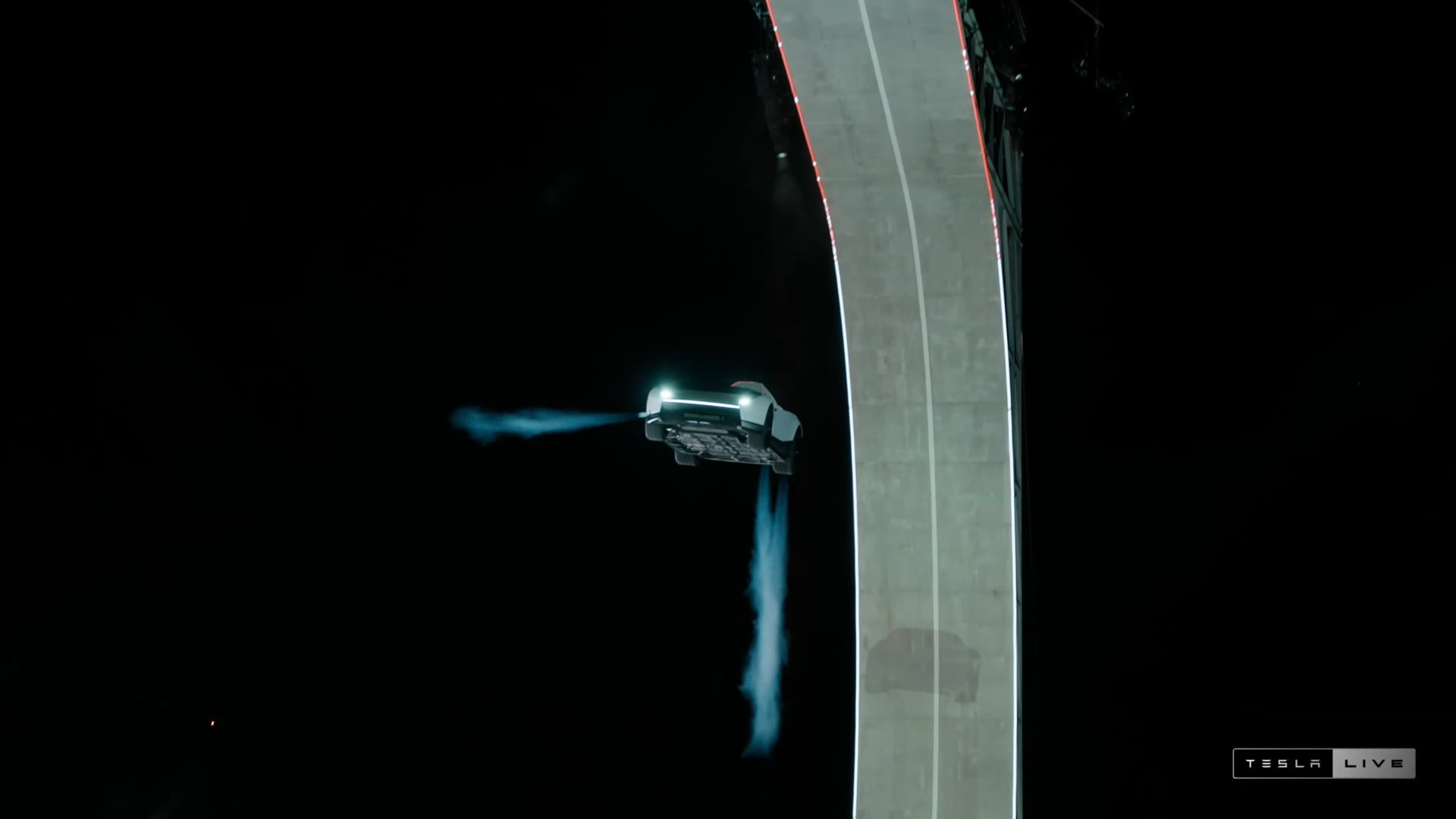
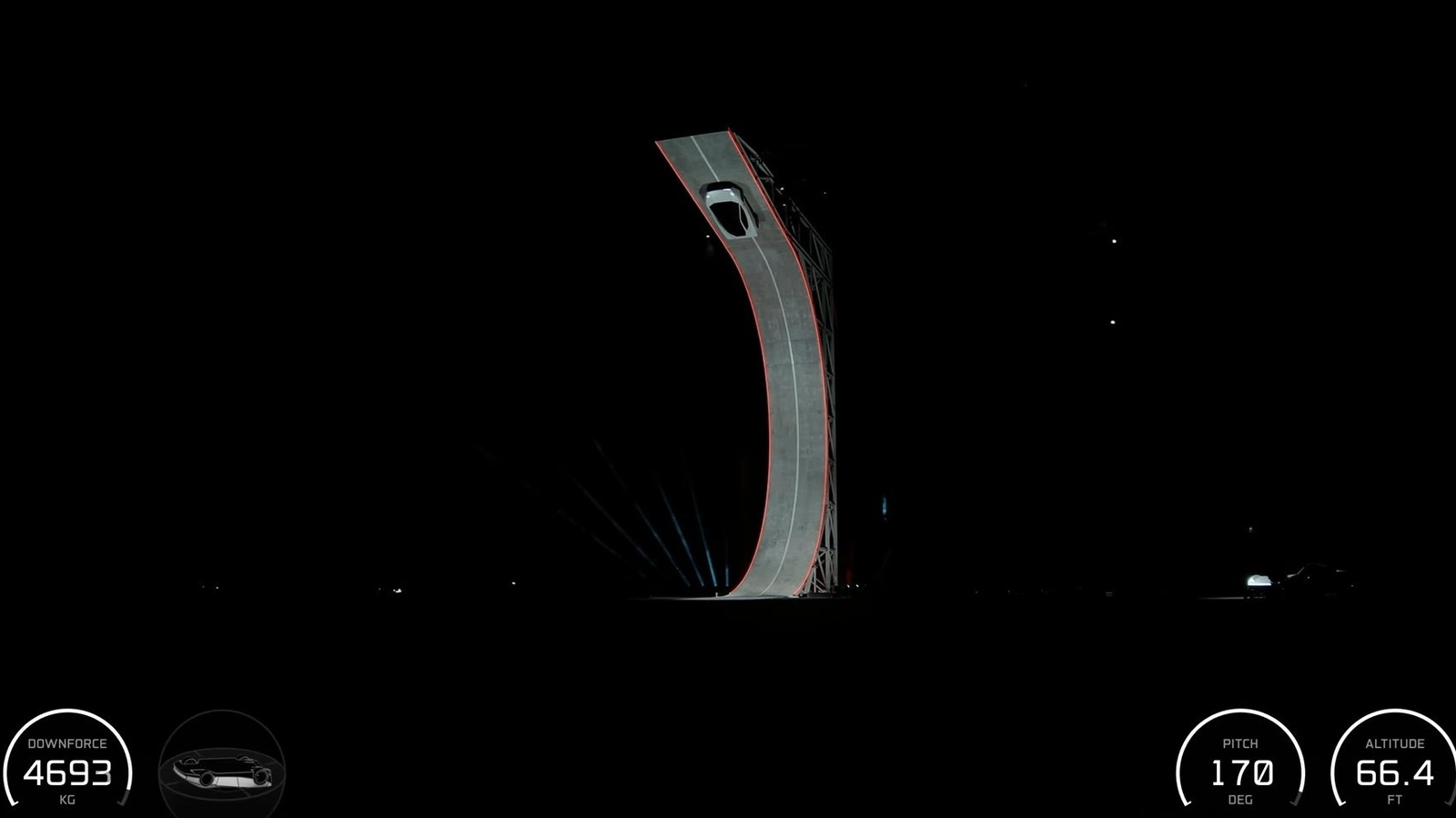
The Federal Aviation Administration said it will evaluate the Tesla Roadster 2 to see if the electric sports car satisfies any requirements for aerial flight, a step that has reignited talk of a potential “flying car” from the maker.
Unveiled last year, Tesla’s second‑generation Roadster is marketed as a high‑performance, all‑electric car and features design cues that some analysts believe might be repurposed for lift‑assist systems. Although Tesla has not formally asserted that the vehicle can become airborne, the notion alone has captured the interest of car fans and aviation officials alike.
U.S. regulations require that any craft able to sustain flight receive FAA certification, which reviews safety criteria, control mechanisms, and overall airworthiness. By choosing to scrutinize the Roadster 2, the agency signals that it is treating the buzz with enough seriousness to examine whether the car’s specs—its weight, power output, and aerodynamic shape—might fit any flight‑related category, even merely as a prototype.
Experts point out that the blend of electric propulsion and lightweight composites may render hybrid ground‑air designs more attainable than before. Still, they warn that converting a sports car into a bona‑fide aircraft would demand a major redesign, adding lift surfaces, redundant controls, and meeting rigorous safety standards that far surpass those applied to road‑going vehicles.
The FAA’s assessment is likely to be a procedural step rather than an outright approval of a flying Tesla. If the agency concludes that the Roadster 2 falls short of current aviation criteria, it may still issue recommendations on the changes needed for subsequent efforts. The decision could shape how other firms tackle the budding electric vertical take‑off and landing (eVTOL) market—a field that has drawn heavy investment yet stays heavily regulated.
At present, Tesla has offered no comment on any formal intent to create a road‑to‑air system. Its priority remains growing its electric‑vehicle portfolio and pushing battery technology forward. Nevertheless, the FAA’s participation introduces regulatory oversight that may affect the practicality of such goals, underscoring to innovators that bridging automotive and aerospace realms demands more than pure engineering creativity.

Comments (0)
Be the first to comment.
Join the discussion