Experts Recommend Soft Cleaning Over Harsh Chemicals for Phone Disinfection
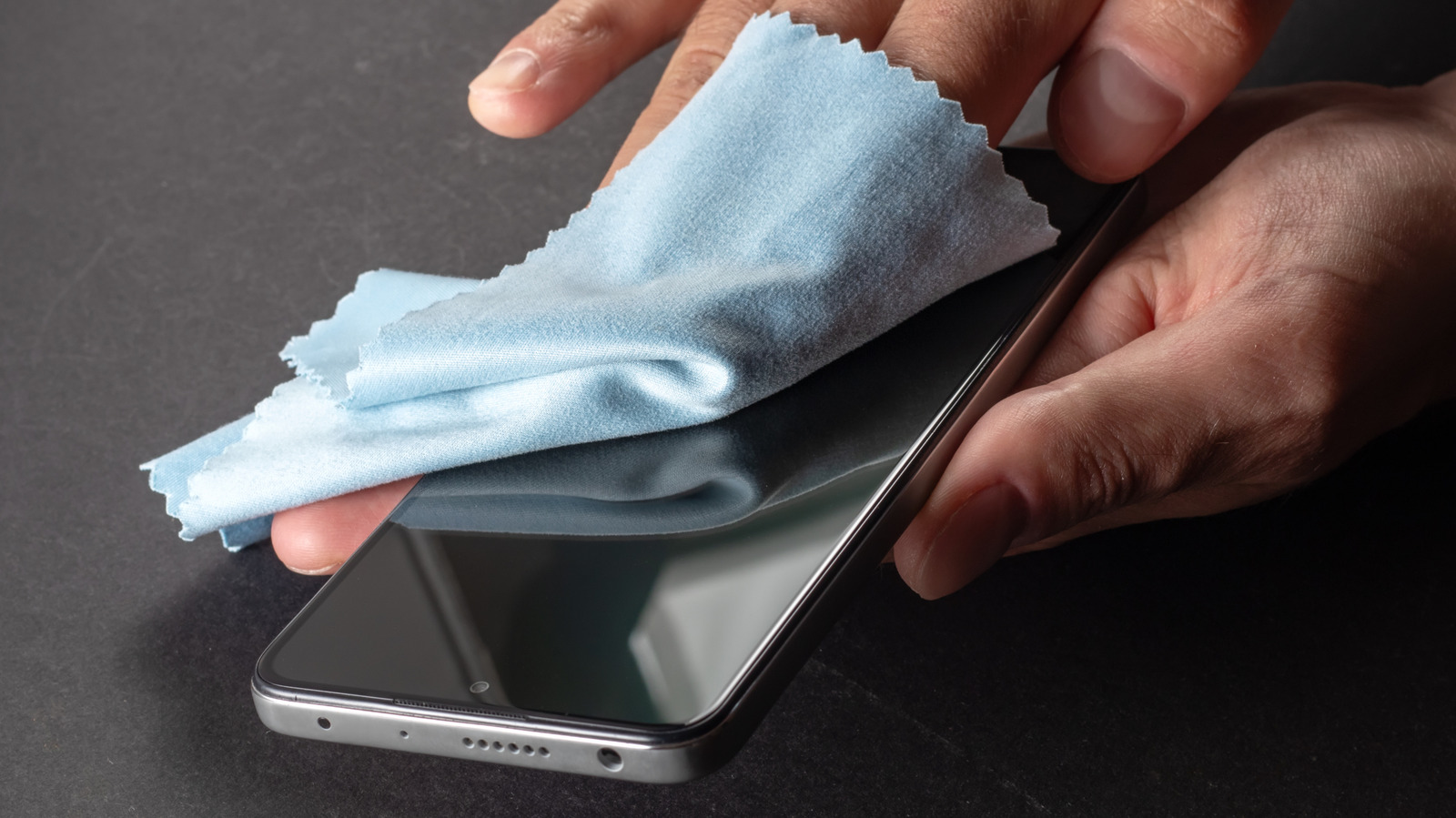
Smartphones are now constant companions, yet their surfaces act as fertile ground for countless microbes. Recent advice from health and tech specialists warns against using aggressive cleaners—such as bleach, ammonia, or gritty powders—on these gadgets, and instead promotes a set of low‑impact methods that effectively lower bacterial presence without harming the phone’s delicate parts.
This caution stems from how modern phones are built, featuring intricate displays, protective coatings, and water‑resistant seals. Harsh agents can erode oleophobic layers, fog camera lenses, and undermine seals meant to keep moisture out, potentially shortening the device’s life. In addition, abrasive rubbing can produce micro‑scratches that trap dirt and germs, undoing any cleaning effort.
Experts recommend a simple procedure: switch the device off, take off any case, and gently wipe the exterior with a soft, lint‑free microfiber cloth. For noticeable smudges, use a lightly dampened cloth—moistened with either 70% isopropyl alcohol or a mild soap diluted in water. Be sure to wring the cloth thoroughly to avoid excess liquid, then let the phone air‑dry before powering it back on. This routine mirrors guidance from the Centers for Disease Control and Prevention as well as major smartphone makers, who have long advised the sparing use of alcohol‑based wipes.
While reaching for household disinfectants is an understandable impulse during heightened health worries, specialists emphasize that a balanced approach safeguards both user health and device integrity. They point out that regular hand washing, using hand sanitizer, and steering clear of shared touchpoints further curb microbial transfer to phones. For added protection, removable silicone or TPU cases can be washed separately, and screen protectors may be replaced periodically.
Looking forward, analysts anticipate that future models may incorporate sturdier antimicrobial materials, lessening the need for external cleaning. Until such technologies become commonplace, the prevailing view is clear: gentle, alcohol‑based cleaning combined with careful handling remains the most effective and safest way to keep smartphones hygienic without causing damage.

Comments (0)
Be the first to comment.
Join the discussion